
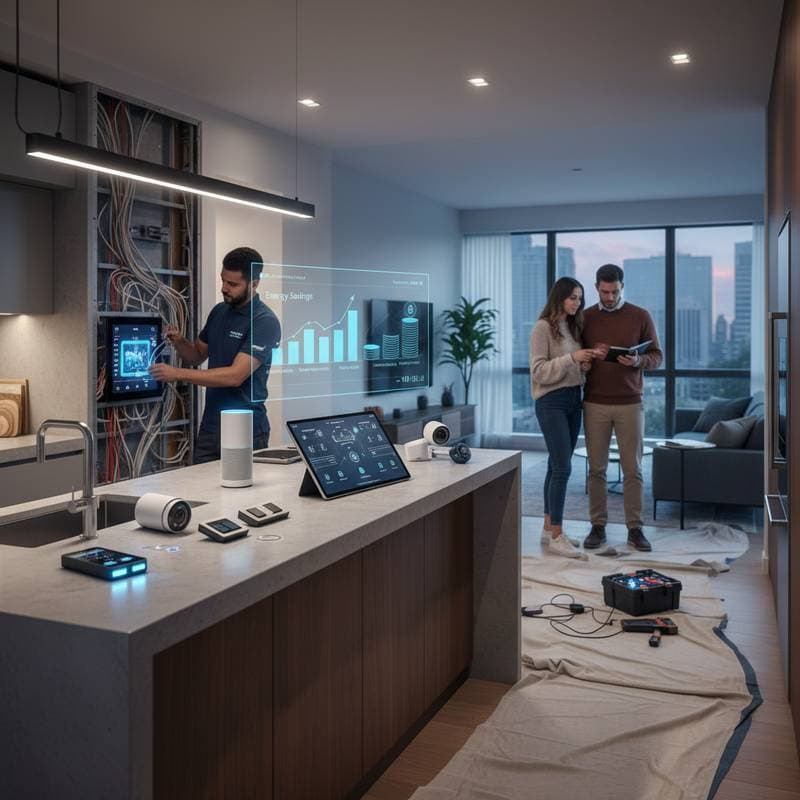
The Hidden Costs of Integrating Smart Technology in 2026 Home Remodels
Homeowners increasingly envision residences equipped with seamless connectivity, from voice-activated lighting systems to thermostats that adjust automatically based on occupancy. In 2026, smart technology integrates deeply into remodel projects, transforming ordinary spaces into efficient, responsive environments. However, the allure of these innovations often masks the comprehensive financial commitment required.
Beyond the initial purchase of devices, expenses encompass professional installation, structural modifications like updated wiring, and continuous upkeep. Compatibility between new and existing systems demands careful planning to prevent inefficiencies or failures. By examining these aspects, individuals can allocate resources effectively, ensuring that smart enhancements align with practical needs and deliver sustained value.
Evaluating Installation Options for Smart Systems
Many smart devices feature user-friendly setup processes, including mobile applications and instructional videos that simplify the task. For straightforward additions, such as wireless smart bulbs or plug-in outlets, individuals with basic technical skills can complete the work independently. This approach minimizes costs, often keeping expenses under 50 dollars per device, excluding the hardware itself.
Complex integrations, however, require specialized expertise. Systems involving whole-home automation for heating, ventilation, and air conditioning, or advanced security networks, benefit from professional involvement. Certified technicians handle intricate wiring, ensure adherence to building codes, and configure secure protocols to safeguard against vulnerabilities. Such services typically range from 500 to 2,000 dollars, depending on the project's scale, but they prevent potential hazards and maintain device warranties.
Consider the scope before deciding. Projects that modify electrical panels or incorporate hardwired components necessitate professional oversight for safety and reliability. In contrast, battery-operated sensors or standalone hubs suit DIY efforts, allowing gradual implementation without immediate high costs.
Identifying High-Impact Smart Upgrades
Smart features vary in their potential to yield returns, with some enhancing daily life and property appeal while others offer limited justification. Prioritize selections based on measurable outcomes, such as energy reduction or risk mitigation. The following options stand out for their balance of utility and cost-effectiveness.
- Smart thermostats optimize temperature control through learning algorithms, potentially lowering utility bills by 8 to 15 percent annually. Models like those with geofencing technology adjust settings remotely, ideal for frequent travelers.
- Automated lighting systems incorporate sensors for occupancy and natural light levels, reducing electricity use by up to 20 percent in high-traffic areas. Dimmable LED integrations enhance aesthetics without excessive energy draw.
- Integrated security setups feature cameras, door locks, and motion detectors that provide real-time alerts, often qualifying for insurance discounts of 5 to 10 percent. Cloud storage subscriptions, around 10 dollars monthly, ensure footage accessibility.
- Water leak detectors alert users to potential floods via app notifications, averting damages that average 5,000 dollars per incident. Placement near appliances like water heaters maximizes prevention.
Conversely, novelty items such as interactive mirrors or voice-enabled refrigerators impress visually but seldom recoup investments through savings. These can exceed 1,000 dollars each, with minimal impact on efficiency or resale. Budget-conscious remodelers should evaluate return on investment, favoring scalable solutions with robust manufacturer support.
Budgeting and Implementing Smart Features Strategically
Begin the remodel process by defining specific goals, such as reducing energy consumption or streamlining security routines. Assess current infrastructure to identify compatibility gaps, perhaps consulting a technology auditor for an initial review costing 200 to 400 dollars. This step reveals opportunities for phased rollouts, starting with core areas like the living room or kitchen.
Incorporate dedicated budget lines for smart elements, allocating 10 to 20 percent of the total remodel funds. Account for device purchases, averaging 300 to 1,500 dollars per room; installation fees; and recurring costs like software updates or cloud services, which may total 100 to 300 dollars yearly. Factor in scalability, selecting platforms that support future expansions without full system overhauls.
Test integrations incrementally to verify performance and user satisfaction. For instance, install a smart thermostat first to monitor savings over a season before advancing to lighting controls. Regular firmware updates maintain security, as outdated systems risk breaches that could cost thousands in remediation.
Securing Long-Term Value from Connected Upgrades
Thoughtful integration of smart technology elevates a home's functionality and marketability. In 2026, properties with efficient, secure systems command premiums of 3 to 5 percent during sales, appealing to tech-savvy buyers. Focus on durable, interoperable devices to future-proof the investment.
Maintenance routines, including annual network audits and battery replacements, sustain reliability without escalating expenses. By aligning choices with lifestyle demands and financial parameters, homeowners create environments that adapt intelligently, fostering comfort and efficiency for decades.