
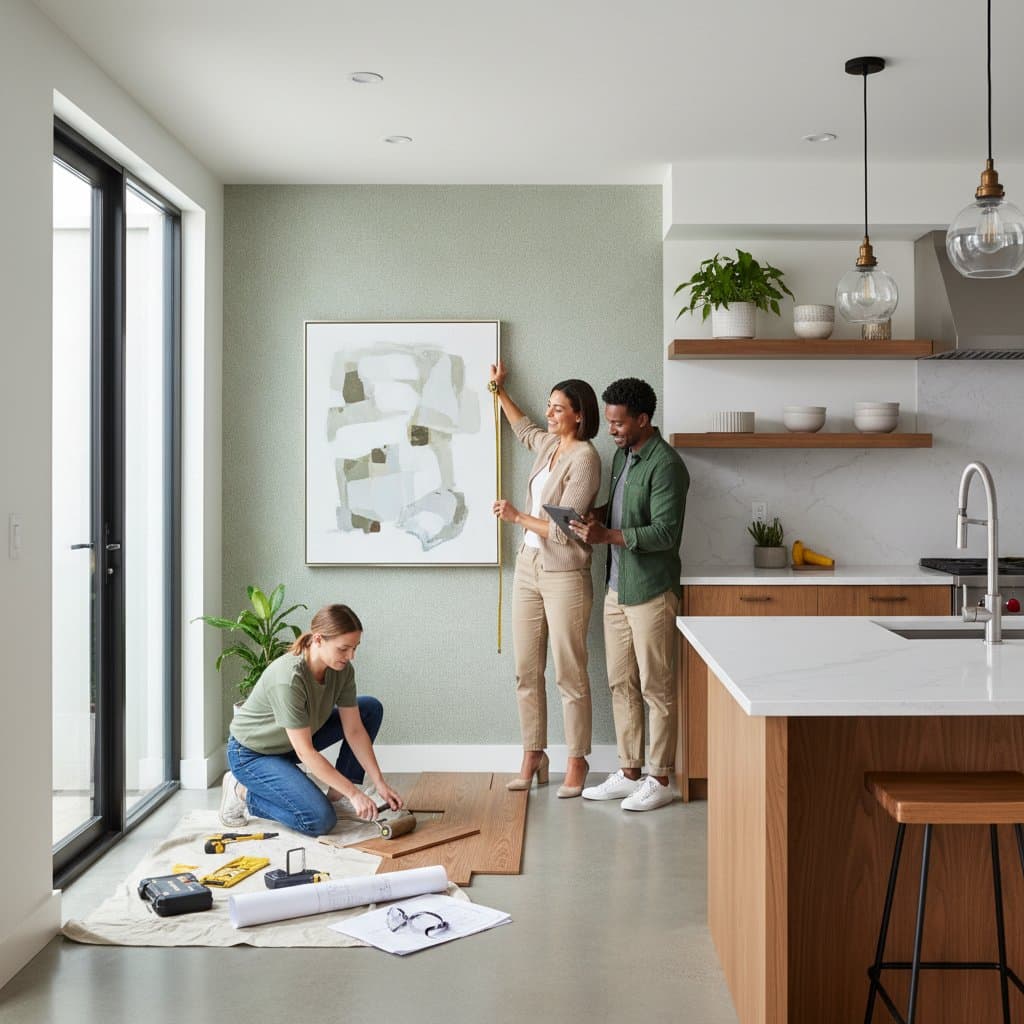
Permit-Free DIY Projects for 2025
Homeowners often delay upgrades due to the complexity of permit requirements. The process involves forms, fees, and inspections that extend timelines and increase expenses. Fortunately, numerous projects qualify as permit-free, allowing individuals to enhance their living spaces efficiently.
This guide outlines safe, compliant options suitable for various skill levels. Readers gain knowledge on selecting projects, executing them effectively, and maintaining standards. These improvements deliver lasting benefits without administrative burdens.
Advantages of Permit-Free Home Upgrades
Opting for projects without permits accelerates progress and reduces obstacles. The following points illustrate the primary gains:
- Immediate Implementation: Projects commence without delays from approvals or reviews.
- Cost Efficiency: Fees associated with permits, often ranging from $50 to $500, remain avoided.
- Schedule Autonomy: Timelines align with personal availability rather than official calendars.
- Design Experimentation: Modest changes permit exploration of styles prior to larger commitments.
Safety remains paramount in all endeavors. Adherence to product guidelines and fundamental construction principles ensures durable outcomes.
Project 1: Interior Painting and Wall Refresh
Refreshing walls with paint represents one of the simplest ways to revitalize interiors. This task involves minimal tools and yields dramatic visual impact.
Estimated Cost: $50 to $200 for paint, primers, and supplies.
Duration: One to two days for a standard room.
Select low- or zero-VOC paints to minimize health risks and odors. Begin by cleaning surfaces thoroughly, repairing minor cracks with spackle, and applying painter's tape for clean edges. Apply two coats for even coverage, allowing drying time between applications. Such updates enhance ambiance and prepare spaces for resale.
Permits prove unnecessary for non-structural surface treatments. Homeowners appreciate the versatility, as colors coordinate with evolving decor preferences.
Project 2: Peel-and-Stick Backsplash or Flooring Installation
Peel-and-stick options provide tile-like appearances without adhesive hassles. These self-adhesive sheets or tiles adhere directly to existing surfaces.
Estimated Cost: $1 to $3 per square foot.
Duration: Several hours for typical kitchen or bathroom areas.
Measure the space precisely and cut materials using a utility knife and straightedge. Clean the base surface to remove grease or residue, then align and press tiles firmly. These installations suit temporary enhancements, as removal occurs without damage to substrates.
Non-permanent nature classifies this work as permit-exempt. It appeals to those seeking low-commitment style shifts.
Project 3: Installing Shelves and Storage Solutions
Organizing spaces through shelving maximizes utility and reduces clutter. Wall-mounted or freestanding units offer customizable storage.
Estimated Cost: $20 to $150 for brackets, boards, and hardware.
Duration: Half a day for multiple installations.
Locate studs with a finder tool to secure anchors properly. Mark positions level with a laser or bubble tool, then attach brackets before placing shelves. Load capacities vary by design, so distribute weight evenly to prevent sagging.
This non-load-bearing addition requires no permits. It transforms closets, garages, and kitchens into efficient zones.
Project 4: Landscaping and Outdoor Enhancements
Outdoor modifications improve aesthetics and usability without extensive approvals. Focus on elements that avoid utility disruptions.
Permit-Free Options:
- Planting trees, shrubs, and flowers
- Creating garden beds with edging
- Laying pavers for small patios or paths
- Constructing raised planters
Estimated Cost: $100 to $500 based on scale and materials.
Plan layouts considering sunlight and soil conditions. Dig shallow trenches for edging, fill with mulch, and water new plants regularly. Paver installations involve compacting bases for stability.
Permits apply only to large structures or drainage alterations. These efforts elevate curb appeal and foster relaxation areas.
Project 5: Minor Bathroom and Kitchen Fixture Updates
Cosmetic replacements in wet areas enhance functionality without plumbing alterations. Swap out accessible components for modern efficiency.
Estimated Cost: $150 to $400 for items like faucets, mirrors, and hardware.
Duration: Less than one day.
Turn off water supplies before removing old fixtures. Install new ones with provided seals and tighten connections hand-tight to avoid damage. Choose corrosion-resistant finishes for longevity in humid environments.
Surface-level changes evade permit needs. Energy-saving models reduce long-term utility expenses.
Ensuring Compliance and Safety
Responsibility for project integrity rests with the executor, even absent permits. Proactive measures prevent issues:
- Verify Local Regulations: Contact building departments for specifics on height limits or setbacks.
- Maintain Records: Photograph progress and store purchase documents for future reference.
- Heed Guidelines: Comply with instructions for all installed products.
- Steer Clear of Structural Work: Refrain from modifications to framing or utilities.
Consultation with authorities resolves uncertainties swiftly. Prevention outweighs correction in maintaining home integrity.
Essential Strategies for Effective Execution
Success hinges on preparation and technique. Consider these approaches:
- Precise Planning: Measure areas accurately and order 10 percent extra materials.
- Tool Quality: Acquire durable implements for precise, efficient results.
- Surface Preparation: Clean and prime bases to promote adhesion and finish.
- Optimal Illumination: Use ample light sources to detect imperfections.
- Methodical Pace: Proceed deliberately to minimize errors and rework.
These practices yield professional-grade finishes and build competence over time.
Achieving Lasting Home Improvements
Permit-free initiatives accumulate to significant transformations. Targeted updates address specific needs, fostering comfort and equity growth.
Identify priority areas, such as underutilized storage or faded exteriors. Incremental efforts cultivate expertise and satisfaction. Collaboration with specialists enhances complex aspects, ensuring comprehensive results.