
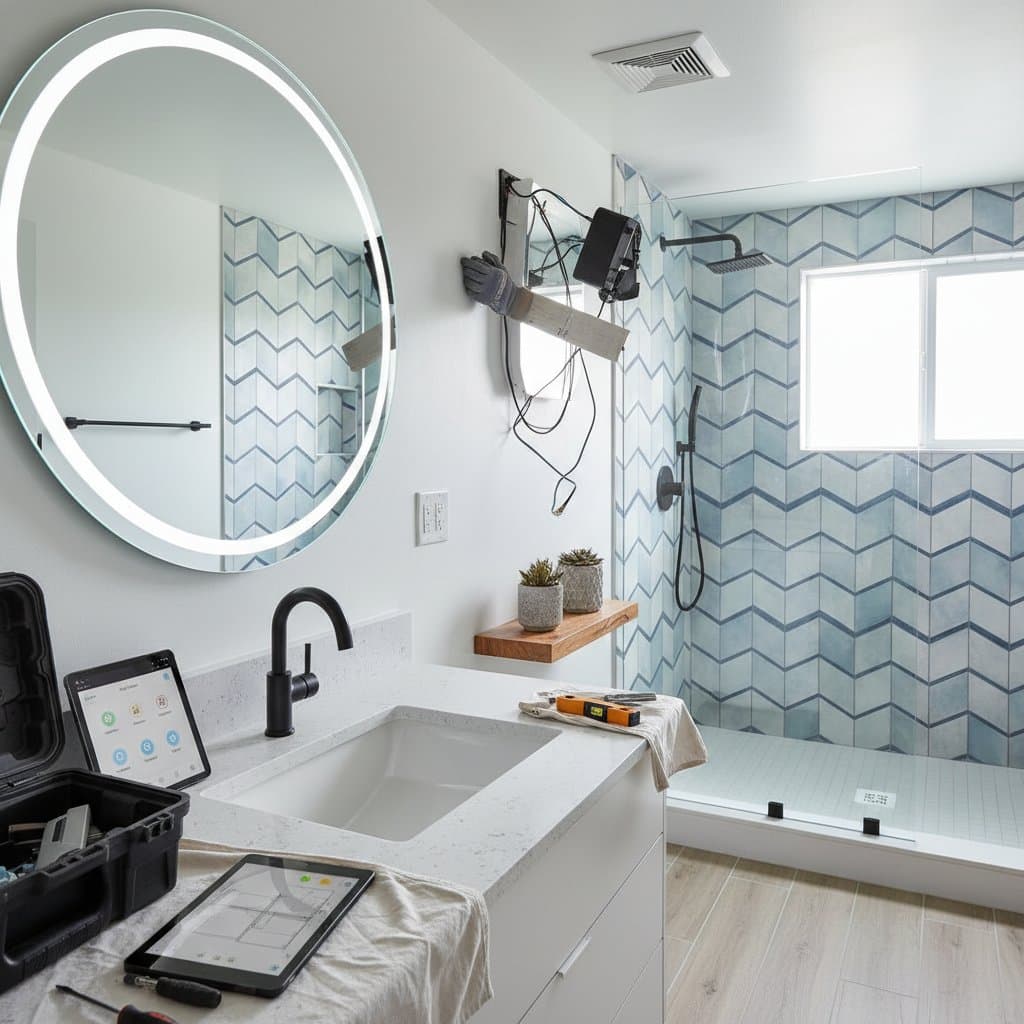
Maximize Bathroom ROI: Smart DIY Picks for 2026
When individuals consider home upgrades that deliver substantial returns, the bathroom ranks highly on the list. This space stands out because modest modifications can yield significant visual and financial benefits. For those aiming to elevate home value, improve daily comfort, and control renovation expenses, a thoughtfully executed bathroom project achieves these objectives. The essential element involves selecting updates that provide optimal return on investment while avoiding expenditures that yield minimal results.
This guide outlines methods to optimize bathroom ROI via intelligent DIY selections. It offers a structured approach to assess spending priorities, identify savings opportunities, and execute upgrades that harmonize design attractiveness, functionality, and economic efficiency.
Key ROI Drivers for Bathroom Upgrades
The highest-yield bathroom enhancements possess distinct traits: they improve usability, minimize upkeep requirements, and convey a sense of elegance without substantial outlays. The categories below demonstrate strong performance in evaluations of cost versus value.
1. High-Impact Fixtures
Updating faucets, showerheads, and toilets represents a straightforward method to elevate perceived worth. Opt for a dual-flush toilet that conserves water or a low-flow rainfall showerhead to impart a refreshed, environmentally aware atmosphere. Budget $150 to $600 for reliable mid-tier options. Homebuyers and appraisers favor these water-efficient elements, as they signal modern standards and potential utility savings.
2. Lighting That Works Harder
Lighting profoundly affects whether a bathroom appears welcoming or antiquated. Implement a multifaceted scheme incorporating task lighting for grooming, ambient illumination for general use, and accent highlights for depth. Install LED vanity lights or recessed ceiling fixtures, with costs ranging from $200 to $800 based on configuration. Verify compliance with local electrical regulations prior to proceeding; engage a licensed electrician for any wiring modifications.
3. Tile Refreshes Without Full Replacement
When the existing tile structure remains intact, explore reglazing or painting as alternatives to complete overhaul. Reglazing incurs $3 to $6 per square foot, compared to $10 to $25 per square foot for new installations. This technique prolongs the durability of current surfaces and redirects funds toward prominent enhancements, such as expansive mirrors or sleek hardware pulls.
4. Vanity and Storage Upgrades
Vanities shape both visual appeal and utility. Select a prefabricated floating vanity equipped with an undermount sink, which installs over a weekend at $400 to $1,200. Complement it with hidden storage options, including pull-out drawers or wall-mounted niches, to achieve a premium aesthetic without altering the room's dimensions.
5. Fresh Surfaces and Paint
Apply moisture-resistant paint or prefabricated wall panels to update the environment swiftly. Choose semi-gloss or satin sheens for straightforward maintenance. Allocate $50 to $100 for materials in a standard bathroom. For enhanced longevity, install PVC or acrylic panels that deliver a continuous, watertight barrier at $15 to $30 per square foot.
Smart Budget Planning for Maximum ROI
Effective budgeting curbs excess expenditure while upholding superior quality. For typical mid-sized bathrooms, targeted remodels emphasizing ROI range from $4,000 to $12,000, with DIY efforts yielding 25 to 40 percent in savings.
Consider this sample allocation model:
- Fixtures and hardware: 20%
- Flooring and tile: 25%
- Vanity and storage: 20%
- Lighting and electrical: 10%
- Paint and finishes: 5%
- Contingency fund: 20%
Incorporate a reserve for unforeseen issues, particularly in properties with dated plumbing or exhaust systems. Prioritize essential structural elements before aesthetic flourishes to safeguard overall project viability.
Mistakes That Reduce ROI
DIY initiatives, even those meticulously designed, may diminish value through avoidable errors. Steer clear of these frequent detractors:
- Overlooking ventilation. Inadequate airflow invites moisture-related deterioration that undermines superior renovations. Ensure exhaust fans discharge outdoors, avoiding discharge into attics or enclosed spaces.
- Selecting fleeting trends. Favor timeless schemes with neutral hues, such as crisp white subway tiles, satin-finish faucets in chrome, or soft oak accents.
- Skimping on waterproofing. Install cement backer board beneath tiles and apply sealant to every grout joint for robust protection.
- Excessive personalization. Custom elements like sculpted shelves or patterned insets might align with personal taste yet limit broader market interest.
- Imbalanced lighting choices. Sole reliance on stark ceiling fixtures shrinks perceived space and warmth; integrate diffused ambient sources with focused task options.
Circumventing these issues converts labor into enduring asset growth rather than fleeting cosmetic gains.
Sustainability and Long-Term Value
Contemporary purchasers place greater emphasis on eco-friendly attributes. Incorporate low-flow aerators on faucets, energy-efficient LED bulbs, upcycled glass tiles, or paints free of volatile organic compounds to amplify desirability and performance. Such selections lower ongoing energy expenses and project a commitment to responsible stewardship.
These elements also prolong the renovation's service life. LED systems endure up to tenfold longer than traditional bulbs, while recycled-content tiles exhibit superior resistance to mildew and discoloration relative to standard ceramics. Integrate smart sensors for automated lighting and ventilation to further optimize efficiency without complicating installation.
When to Bring in a Contractor
Engaging experts serves as a prudent decision rather than an abandonment of self-directed efforts. Delegate to professionals when:
- Relocating or installing new plumbing or electrical infrastructure becomes necessary.
- Fixture repositioning or structural alterations are involved.
- Evidence of widespread mold or structural water intrusion emerges.
- Local regulations mandate permits or official inspections.
Professionals guarantee adherence to building codes and elevated craftsmanship. Numerous owners adopt a blended strategy, handling cosmetic tasks independently while contracting specialized labor for intricate components.
Maintaining Your Investment
Following completion, safeguard ROI with routine care. Reapply grout sealant annually, service exhaust fans quarterly, and address minor drips promptly. Renew caulking around bathtubs and basins every two to three years to avert concealed erosion. Diligent habits preserve the bathroom's pristine condition and operational reliability.
Introduce subtle updates, including refreshed linens, updated pulls, or seasonal accents, to sustain vibrancy at minimal cost. This strategy prolongs the renovation's relevance and sustains its economic contributions over extended periods.
Essential Techniques for Optimal Results
Approach DIY upgrades methodically to ensure success. Source materials from reputable suppliers to verify quality and compatibility. Document progress with photographs to track improvements and inform future adjustments. Test all fixtures post-installation for leaks or malfunctions before finalizing finishes. Collaborate with online communities for troubleshooting specific challenges, drawing on collective expertise to refine techniques. These practices elevate outcomes, transforming standard projects into exemplary transformations that endure.