
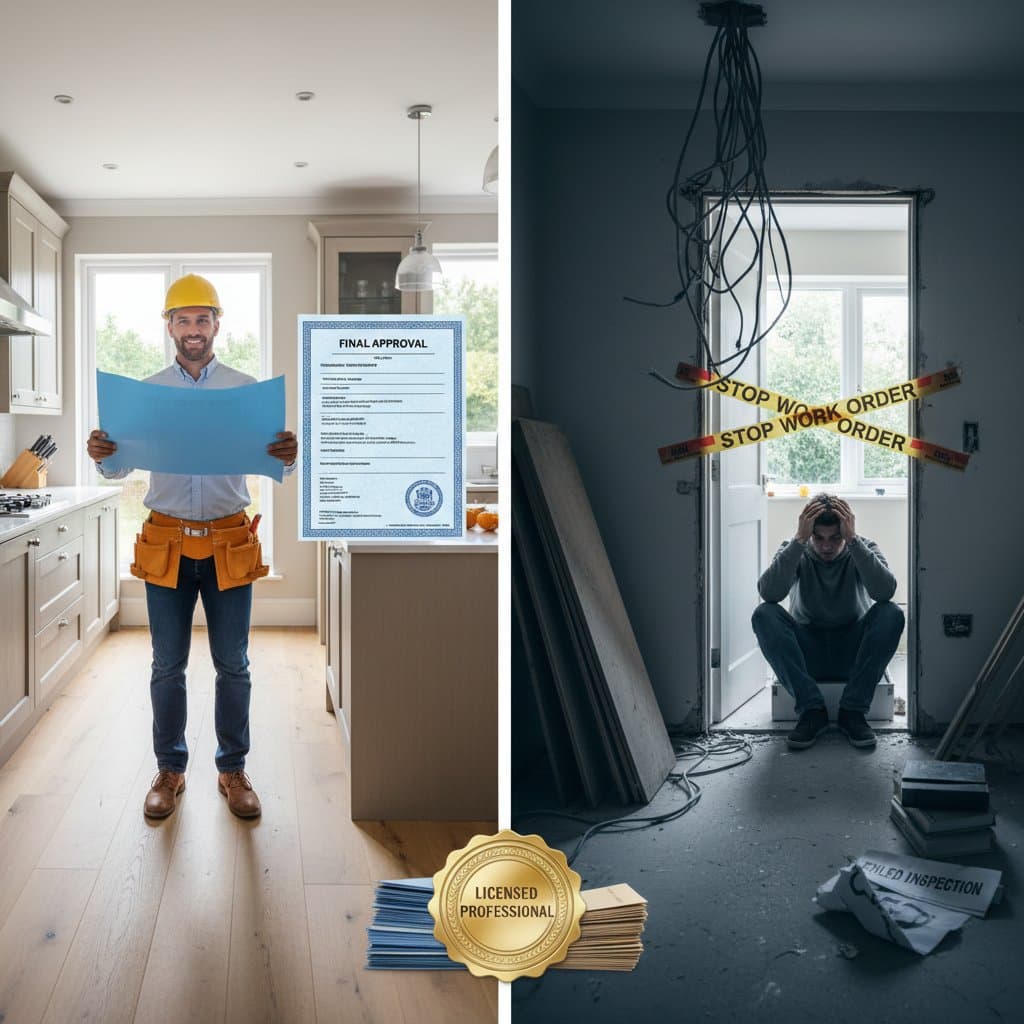
Advantages of Professionals Over DIY in Permit-Intensive Home Improvements
Homeowners often approach projects with enthusiasm, envisioning simple updates like a new deck or bathroom addition. However, tasks that involve building permits quickly reveal complexities beyond basic tools and online guides. Local codes, inspection schedules, and safety standards require specialized knowledge that licensed contractors provide daily.
The appeal of do-it-yourself efforts lies in cost savings and personal satisfaction. Yet, when projects impact essential systems, professional involvement prevents delays, fines, and hazards. Licensed experts ensure compliance from start to finish, transforming potential obstacles into seamless progress.
Defining Permit-Intensive Projects
Permit-intensive projects affect core elements of a home's structure or utilities. These initiatives trigger regulatory oversight to maintain safety and quality. Common examples include:
- Electrical system overhauls, such as installing new circuits or upgrading service panels to handle modern appliances.
- Plumbing modifications, like relocating pipes for a kitchen remodel or adding fixtures in an extension.
- Alterations to load-bearing walls, including removals or reinforcements during room expansions.
- Heating, ventilation, and air conditioning (HVAC) installations, such as replacing furnaces or redesigning duct layouts for efficiency.
- Roofing overhauls or foundation stabilizations, which demand engineering reviews and material certifications.
Each category necessitates detailed applications to municipal authorities. Contractors familiar with these processes prepare accurate submissions, coordinate with multiple agencies, and arrange inspections at optimal stages. Homeowners benefit from accelerated timelines and reduced administrative burdens.
Challenges of DIY in Regulated Areas
Do-it-yourself projects excel in visible, low-risk areas like painting walls or laying laminate floors. These tasks seldom require permits and offer immediate gratification. In contrast, concealed work in walls, ceilings, or foundations hides errors that emerge over time.
An improper electrical connection might function initially but lead to overheating and fire hazards. A misaligned plumbing joint could cause leaks that damage subfloors undetected for years. Professionals identify these risks through rigorous training and adhere to updated codes, such as those from the National Electrical Code or International Plumbing Code.
Documentation plays a key role as well. Contractors maintain records of materials used, methods applied, and inspection approvals. This paperwork proves compliance during home sales or insurance claims, avoiding disputes that DIY efforts often lack.
Consider the analogy of vehicle maintenance. Basic oil changes suit personal efforts, but engine rebuilds demand certified mechanics. Similarly, home improvements scale in complexity, making expert intervention vital for high-stakes outcomes.
Steps to Engage Licensed Contractors Effectively
Begin by researching local requirements through your city's building department portal. Search for permit guidelines specific to your project type, noting any zoning restrictions or environmental reviews. This preparation informs discussions with potential hires.
Next, solicit bids from at least three licensed contractors verified via state licensing boards. Inquire about their track record with comparable jobs, including timelines for past permit approvals. Request client references and review portfolios of completed work to gauge quality.
During consultations, discuss scope details like material selections and phased inspections. Clarify costs for permits, labor, and contingencies. A written contract should outline milestones, payment schedules, and warranties to protect all parties.
For those interested in hands-on learning, propose observing non-critical phases. Contractors often welcome questions on techniques, fostering skills for future minor projects. This collaboration builds confidence without compromising regulated elements.
Achieving Lasting Results Through Professional Partnership
Selecting licensed contractors for permit-intensive work safeguards investments and enhances home functionality. Projects conclude with verified safety, boosted resale appeal, and minimal disruptions. Homeowners gain durable improvements that withstand time and scrutiny.
This strategy extends beyond immediate completion. Proper execution reduces future repair needs and utility inefficiencies. Ultimately, partnering with experts allows focus on design visions, yielding spaces that align with lifestyle goals and regulatory standards.