
Preparing Your Smart Home to Prevent Winter Storm Damage
Winter weather challenges every aspect of a home, from the roof to the foundation. Proactive preparation minimizes risks, preserves property value, and ensures family safety as temperatures fall and winds intensify. Simple, targeted actions taken in advance transform potential disasters into manageable situations.
Essential Preparation Steps
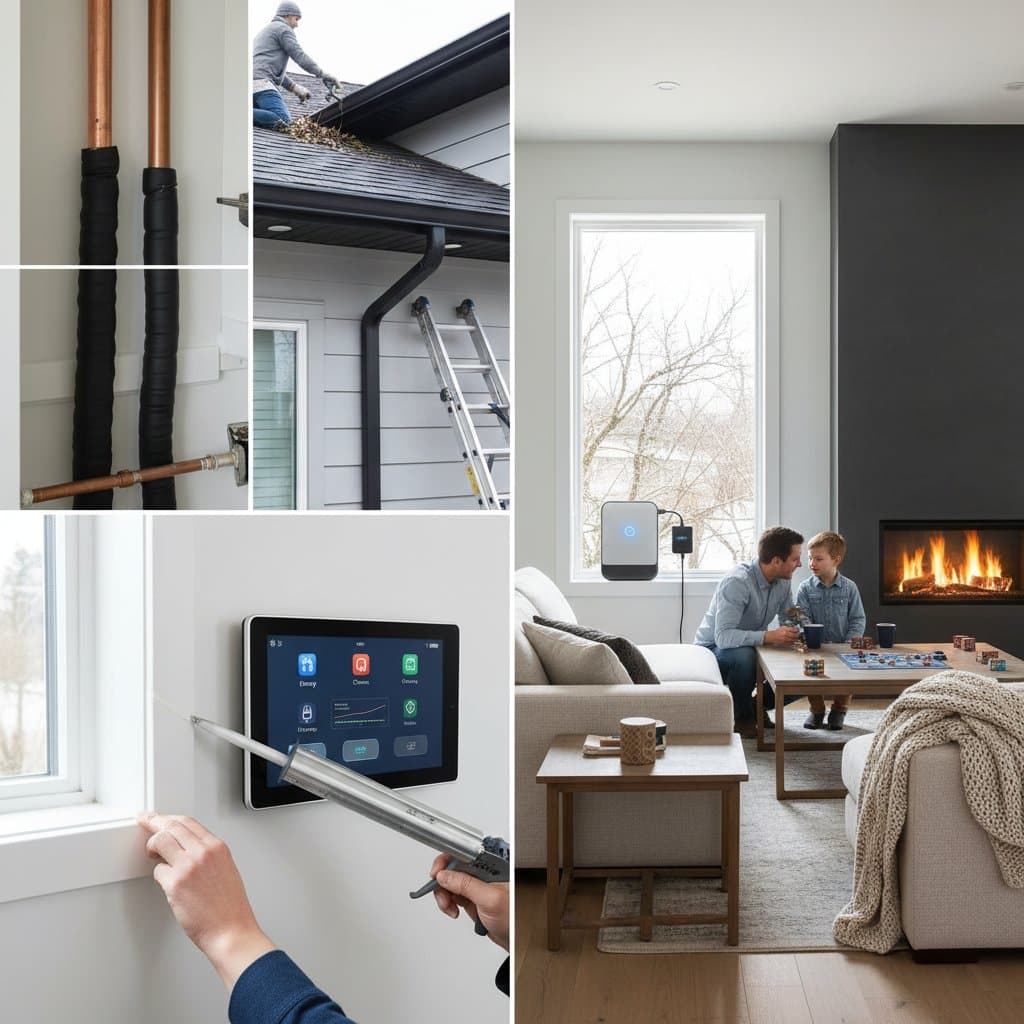
- Seal air leaks and insulate exposed pipes to avoid freezing and subsequent water damage.
- Clear gutters and conduct a thorough roof inspection prior to the initial heavy snowfall.
- Arrange for emergency power sources and heating alternatives.
- Develop an exterior inspection routine triggered by each major storm alert.
- Identify DIY-friendly tasks versus those that demand professional expertise.
Protecting Plumbing and Heating Systems
Frozen pipes rank among the costliest winter issues, often leading to extensive water damage. Insulate exposed pipes in attics, crawl spaces, and garages using foam sleeves or fiberglass wraps, which cost between $1 and $2 per linear foot and prevent repairs that could exceed hundreds of dollars. For outdoor faucets, disconnect all hoses and apply frost-proof covers to block cold air infiltration.
Schedule a professional HVAC tune-up well in advance, with costs ranging from $100 to $200, to verify efficient and safe furnace operation. This service includes replacing filters, vacuuming vents, and testing carbon monoxide detectors. Reliable heating prevents pipe bursts and maintains safe indoor temperatures during severe cold snaps.
Ensuring Power Reliability and Emergency Readiness
Power outages during storms can leave homes vulnerable, so reliable backups prove essential. Portable generators offer temporary solutions, but proper ventilation and handling remain critical to avoid hazards. Gasoline models cost $400 to $900, while standby units with automatic transfer switches range from $2,000 to $5,000; engage a licensed electrician for large installations to prevent dangerous backfeeding.
Assemble supplies ahead of forecasts, including three days of nonperishable food, bottled water, and prescription medications. Recharge flashlights, portable batteries, and radios for communication. For homes dependent on electric heating, install backup options such as vented gas fireplaces or kerosene heaters, always paired with ventilation and carbon monoxide monitors.
Inspecting Windows, Doors, and Insulation
Air leaks around windows and doors allow heat to escape rapidly. Apply weatherstripping and caulk to these areas for a tight seal, and install foam gaskets behind electrical outlet plates to eliminate drafts. Attic insulation upgrades deliver substantial returns, potentially saving up to 20 percent on energy costs, with blown-in cellulose or fiberglass batts priced at $1.50 to $3 per square foot based on location.
Older single-pane windows benefit from inexpensive plastic film kits, costing under $20 per window, which create an effective thermal barrier. Thermal curtains provide an additional layer of insulation, enhancing comfort without the expense of full window replacements. These measures collectively maintain consistent indoor warmth.
Addressing Roof, Attic, and Ice Dam Risks
Ice dams occur when attic heat melts roof snow, which then refreezes at the eaves, causing potential leaks. Maintain a cool attic through proper ventilation, ensuring insulation covers the entire ceiling without obstructing soffit vents. Balance airflow between ridge and soffit vents to promote uniform roof temperatures and reduce melting risks.
For homes prone to ice dams, install heat cables along the roof edges or consult a roofing contractor for ventilation assessments, with costs from $400 to $1,200 depending on roof dimensions and setup. Proactive interventions avert structural harm and interior water intrusion, preserving the home's integrity over time.
Practical Strategies for Effective Preparation
Develop a seasonal checklist encompassing roof inspections, pipe insulation, heating maintenance, and gutter clearing to stay organized. Photograph the property's pre-storm condition to support insurance claims efficiently. Review your policy to verify coverage for winter perils, including frozen pipes and roof failures.
Label all emergency shut-off valves for water, gas, and electricity, ensuring every household member understands their locations and operations. Book professional services early, as contractors fill schedules quickly once storms approach. These habits build resilience against seasonal threats.
Sustaining Long-Term Home Protection
Consistent preparation not only averts immediate storm damage but also extends the lifespan of home systems. By integrating these steps into annual routines, homeowners invest in durability and peace of mind. A well-prepared home withstands winter's challenges, allowing focus on enjoyment rather than recovery.