
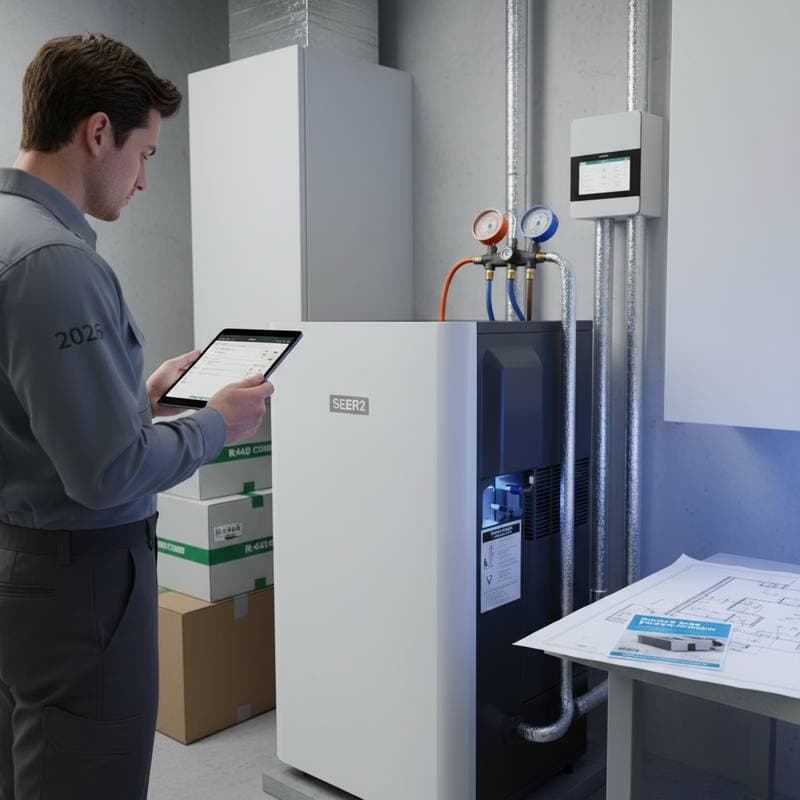
Prepare for 2026: Essential HVAC Efficiency Standards
Heating and cooling systems that have operated without recent attention may face challenges from upcoming efficiency regulations. These new standards establish higher benchmarks for performance, energy use, and refrigerants. Homeowners who address these changes proactively can prevent unexpected expenses, qualify for financial incentives, reduce utility bills, and enhance overall comfort. Understanding the implications allows you to align your system with future requirements effectively.
This guide explains the key aspects of the evolving standards, their impact on current and new installations, and practical steps to implement now. Through targeted maintenance, informed upgrades, and financial projections, you position your home for compliance, optimal efficiency, and sustained savings.
Implications for Your Existing System
Systems installed several years ago often fall short of the forthcoming efficiency levels. Immediate replacement is not always required, yet a thorough assessment is essential. Begin by locating the SEER rating on the unit label or in the documentation provided by the manufacturer.
For instance, a SEER 13 unit will likely fall below the new thresholds. Transitioning to a SEER 16 or greater model can decrease energy use by 15 to 20 percent. Such improvements yield significant long-term benefits, especially in areas with prolonged heating or cooling seasons.
Financial Planning: Costs and Returns for Upgrades
Budgeting for HVAC transitions involves short-term investments and extended payback periods. Enhanced efficiency typically offsets initial costs via lower energy consumption. The table below provides a detailed overview of common options.
| System Type | Typical Installed Cost | Efficiency Rating | Estimated Annual Energy Savings |
|---|---|---|---|
| Standard Central AC | $5,000 - $8,000 | SEER 14 | Baseline |
| High-Efficiency Heat Pump | $7,500 - $12,000 | SEER 16-18 | 15-25% reduction in bills |
| Variable-Speed System | $10,000 - $16,000 | SEER 19+ | 25-35% reduction in bills |
Costs fluctuate based on location, installer expertise, and unit capacity. Incentives such as rebates and tax credits often lower the effective price by hundreds of dollars, particularly for ENERGY STAR qualified products. To determine return on investment, consider energy reductions, comfort enhancements, and potential boosts to property value.
Deciding Between Professional Service and Home Maintenance
Homeowners can handle basic upkeep to maintain system health. Tasks like filter changes and surface cleaning support efficiency without specialized tools. However, interventions with refrigerants, wiring, or intricate diagnostics demand certified technicians to ensure safety and compliance with codes.
Tasks Suitable for Homeowners:
- Change air filters every one to three months to promote airflow.
- Vacuum dust from return vents and registers to prevent blockages.
- Gently brush clean the outdoor condenser coils to remove buildup.
- Maintain at least two feet of clearance around outdoor units by trimming nearby plants.
Tasks Requiring Professionals:
- Manage refrigerant levels and recharging procedures.
- Inspect and test electrical components for faults.
- Balance airflow and seal ductwork to eliminate leaks.
- Perform extensive repairs or complete system overhauls.
Regulations on safety and the environment underscore the importance of expert involvement for advanced work.
Tailoring Strategies to Your Local Climate
The benefits of efficiency upgrades depend on regional weather patterns. In areas with high humidity, units that control both temperature and moisture provide superior performance and savings. Colder climates benefit from dual-fuel setups that integrate heat pumps with gas backups for year-round reliability.
Consult with installers about models optimized for your locale. These specialized systems adapt to specific conditions, delivering consistent efficiency, greater comfort, and controlled operating expenses.
Steps to Implement Your Upgrade Plan
Addressing the 2026 HVAC standards focuses on strategic enhancements rather than urgent fixes. Proactive measures secure reduced costs and reliable performance for the long term.
First, review your system's efficiency metrics using available documentation or a professional inspection. Collaborate with a reputable HVAC specialist to develop a customized plan that accounts for your home's design, weather exposure, and financial priorities. Options range from comprehensive replacements to focused optimizations, with early planning ensuring competitive rates, ample product availability, and efficient scheduling.
Investing in your HVAC setup strengthens the foundation of home comfort. This forward-thinking approach keeps you compliant and ahead of regulatory shifts.