
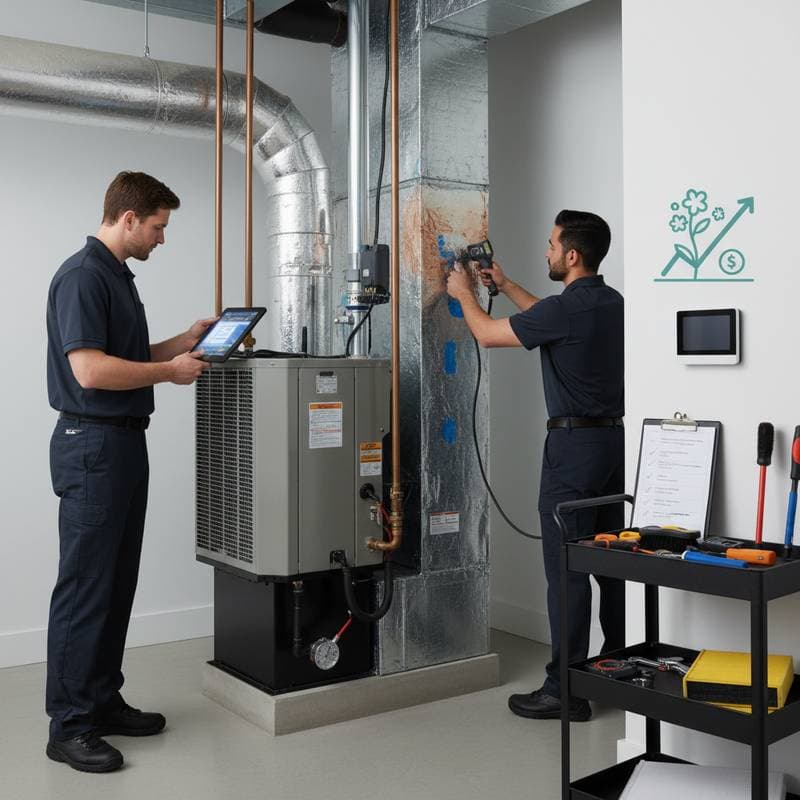
Spring Audits to Reduce HVAC Energy Bills
Homeowners often assume a new HVAC system is necessary to lower energy costs in spring. In reality, a detailed audit identifies inefficiencies and optimizes performance before summer demands increase. This process verifies system operation and addresses minor problems to prevent major expenses.
The Importance of a Spring HVAC Audit
HVAC systems endure significant strain during winter, leading to dust accumulation in filters, loosened seals, and thermostat drift. Unaddressed issues cause the system to operate longer and consume more energy while delivering reduced comfort. A spring audit restores optimal function, allowing efficient cooling with lower power usage. Many homeowners report energy reductions of 10 to 30 percent, influenced by system age and prior maintenance.
Step One: Examine and Replace Air Filters
Begin the audit by inspecting air filters, a straightforward task with substantial impact. Clogged filters impede airflow, compelling the system to strain and increase energy draw. Opt for high-efficiency pleated filters, priced from 10 to 20 dollars, which can decrease consumption by as much as 15 percent. In homes with pets or high dust levels, inspect filters every month; use calendar alerts or phone reminders to maintain this routine.
Step Two: Examine Ductwork for Leaks
Duct leaks represent a primary cause of energy loss, as conditioned air escapes before distribution. The system compensates by running extended cycles to achieve set temperatures. During inspection, identify gaps, loose joints, or dirt marks indicating air escape near seams. Apply mastic sealant or aluminum foil tape for repairs; professional pressure testing ranges from 150 to 400 dollars, while DIY supplies cost less than 50 dollars.
Step Three: Clean Coils and Condenser Units
Debris such as dust, leaves, and dirt accumulates on outdoor condenser units, restricting airflow and efficiency. Indoor evaporator coils face similar buildup from indoor pollutants. To clean, disconnect power, clear visible debris, and rinse coils with a garden hose; use a soft brush or commercial cleaner for evaporator coils. Straighten bent fins with a fin comb available at hardware stores. These actions can enhance cooling efficiency by up to 20 percent, particularly beneficial during high-demand periods.
Step Four: Confirm Thermostat Precision
The thermostat serves as the central control for HVAC efficiency, yet it receives little attention in routine checks. Verify accuracy by comparing its reading to a separate thermometer placed adjacent. A discrepancy exceeding two degrees warrants recalibration or replacement. Programmable or smart thermostats, costing 100 to 250 dollars, recover investment quickly via optimized schedules that adapt to occupancy patterns.
Step Five: Assess Insulation and Air Sealing
Superior HVAC performance depends on effective building envelope integrity. Poor insulation permits conditioned air to leak, extending run times and elevating costs. Evaluate attic and crawl space insulation depth, and seal gaps around windows, doors, and outlets with caulk or foam. Insulation additions average 1 to 2 dollars per square foot, providing enduring reductions in heating and cooling expenses.
Step Six: Analyze System Performance and Records
Review utility bills over multiple months to detect efficiency declines, such as abrupt increases in usage. Examine maintenance logs for recent servicing of belts, fans, and refrigerant charges. Indicators like unusual noises, weak airflow, or odors suggest the need for expert intervention. Professional tune-ups, priced at 100 to 200 dollars, encompass comprehensive diagnostics beyond typical homeowner capabilities.
Indicators Requiring Expert Service
Certain problems demand professional HVAC expertise to avoid safety risks or further damage. Seek a licensed technician for:
- Ice buildup on coils or refrigerant lines
- Burning odors or electrical humming
- Frequent short cycling of the unit
- Temperature inconsistencies across rooms after basic maintenance
Strategies for Effective Audits
Plan the audit early in spring to secure technician availability before seasonal rushes. Document all filter replacements, repairs, and inspections meticulously; such records support warranty processes and enhance property value. Incorporate natural ventilation during temperate weather to lessen system workload. Clean supply and return vents every three months to sustain optimal airflow. Update weatherstripping on doors annually for minimal-cost sealing improvements.
Sustaining Long-Term Efficiency
Regular spring audits function as essential preventive measures that prolong HVAC longevity and stabilize energy expenses. With practice, the routine streamlines over time, yielding quicker results each season. Homeowners gain reliable comfort, reduced bills, and confidence in system readiness for upcoming demands.