
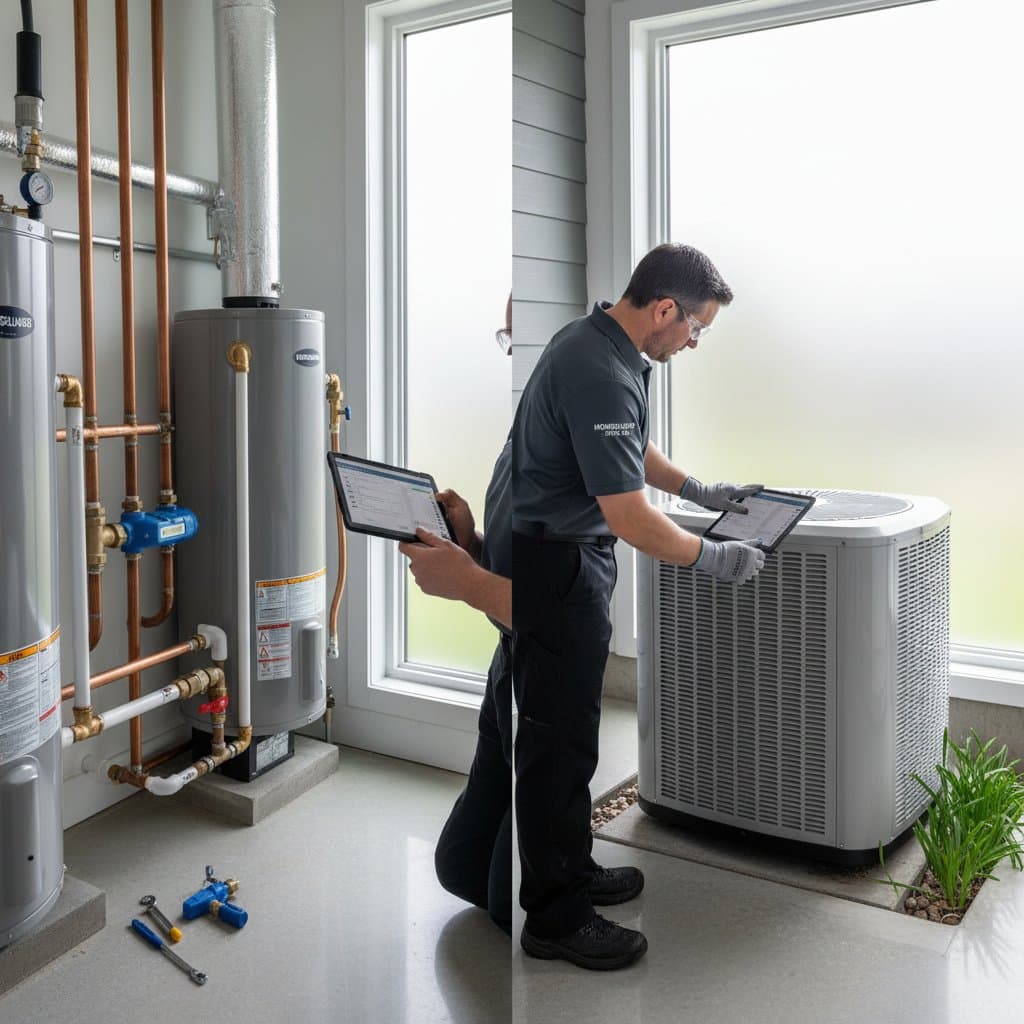
Essential Spring HVAC and Plumbing Checks to Prevent Costly Breakdowns
As temperatures rise and windows open to welcome warmer air, the concealed infrastructure of a home faces increased demands. Proactive measures taken in early spring largely dictate the reliability of HVAC and plumbing systems over the ensuing months. Neglect at this stage risks unexpected failures that escalate repair expenses significantly. Dedicated maintenance efforts, spanning just a few hours, equip these systems for robust performance and avert substantial financial burdens.
This resource outlines a thorough inspection protocol for both HVAC and plumbing components, suitable for confident execution by homeowners. It features precise instructions, anticipated expenses, and criteria for engaging specialists. Adhering to these protocols enhances operational efficiency, prolongs equipment durability, and eliminates disruptive interruptions that impact household budgets.
Step-by-Step HVAC System Inspection
1. Clean or Replace Air Filters
Clogged filters rank as the primary cause of diminished performance and excessive wear on HVAC units. Homeowners should replace disposable filters or wash reusable variants at intervals of one to three months. Such filters typically range from ten to forty dollars in price, whereas oversight here elevates energy consumption by as much as fifteen percent. Select filters with a MERV rating of eight to twelve for standard residential applications; higher ratings may impede airflow in systems not engineered for them.
2. Inspect the Outdoor Condenser Unit
Remove leaves, twigs, and accumulated debris from a two-foot perimeter surrounding the condenser to maintain unobstructed operation. Ensure coils remain free of obstructions that hinder airflow. For bent fins, employ a fin comb to restore their alignment gently. Rinse coils using a garden hose on low pressure to dislodge surface dirt, thereby restoring efficiency; pressure washers pose risks of fin deformation. Should coils exhibit oily residues or discoloration, apply a non-acidic cleaner formulated for home HVAC coils.
3. Examine the Condensate Drain Line
The condensate line facilitates the safe expulsion of moistureair conditioning process. Winter stagnation often fosters algal growth or debris accumulation, resulting in clogs that cause interior leaks or structural harm. Introduce one cup of distilled vinegar into the access port adjacent to the air handler to eradicate mold and bacteria. Should drainage remain impeded, attach a wet-dry vacuum to the outdoor terminus to extract the obstruction.
4. Test Thermostat Functionality
Activate the cooling setting on the thermostat and adjust it to a point several degrees cooler than ambient conditions. The system ought to activate promptly, within one minute. Failure to do so warrants verification of battery power or the circuit breaker status. Smart thermostats may require recalibration following extended dormancy; update firmware and confirm that programmed schedules and remote modes function accurately. Defective thermostats lead to irregular temperature control or excessive operational cycles, both contributing to energy inefficiency.
5. Assess Ductwork for Air Leaks
Compromised duct integrity, through loose joints or perforations, dissipates up to thirty percent of treated air. Detect drafts by palpating accessible ducts in attics or basements. Observe dust accumulation along seams as evidence of leakage. Apply foil-backed tape or duct mastic to seal identified vulnerabilities, a straightforward remedy that yields hundreds of dollars in yearly energy savings. For concealed ducts, professional pressure testing, costing one hundred to three hundred dollars, delivers enduring value through precise diagnostics.
6. Evaluate Overall System Performance
Upon addressing preliminary tasks, operate the system continuously for a minimum of fifteen minutes. Verify uniform airflow from all vents and a temperature differential of fifteen to twenty degrees between supply and return registers. Weak or inconsistent output may signal obstructed vents or a deteriorating blower motor. Technicians employ specialized tools to measure airflow and refrigerant levels, ensuring optimal functionality.
Step-by-Step Plumbing System Inspection
1. Flush the Water Heater
Sediment buildup in water heaters compromises heating efficiency and shortens lifespan. Drain and refill the tank annually to remove deposits; this process requires shutting off power or gas, connecting a hose to the drain valve, and flushing until water runs clear. Perform this task with care to avoid scalding; professional assistance ensures safety for gas models. Regular flushing preserves performance and averts premature tank failure.
2. Inspect Exposed Pipes and Fittings
Visual examination of visible pipes reveals corrosion, leaks, or insulation gaps that precede major issues. Tighten loose fittings and replace deteriorated washers in faucets to stem drips. Insulate cold water lines in unheated spaces to prevent condensation and bursting during temperature fluctuations. Address any signs of rust or dampness immediately to mitigate water damage risks.
3. Test the Sump Pump
Sump pumps protect basements from flooding by expelling groundwater. Pour a bucket of water into the sump pit and observe activation within seconds, followed by complete drainage. Clean the pit of debris and verify the float switch moves freely. Replace worn impellers or check valves if the pump fails to operate reliably; testing prevents spring thaw overflows.
4. Check for Hidden Leaks
Subtle leaks waste water and inflate utility bills while fostering mold growth. Monitor the water meter with all fixtures off; movement indicates undetected flow. Examine areas under sinks and around toilets for moisture, using a flashlight for thorough inspection. Minor fixes, such as replacing seals, resolve issues before they escalate to structural concerns.
Expense Analysis: DIY Versus Professional Services
| Task | DIY Cost | Professional Cost | Recommended Approach |
|---|---|---|---|
| HVAC filter replacement | $10-$40 | $50-$100 | DIY |
| Coil cleaning | $15-$30 | $100-$250 | DIY if accessible |
| Duct inspection and sealing | $20-$50 | $200-$400 | Mixed |
| Thermostat calibration | $0-$10 | $75-$150 | DIY unless wiring issue |
| Water heater flush | $0 | $125-$250 | DIY with caution |
| Sump pump test | $0 | $75-$200 | DIY |
| Leak repairs | $5-$25 | $100-$500 | DIY for minor leaks |
Specialist evaluations incorporate comprehensive diagnostics and compliance verifications, uncovering latent problems proactively. An annual combined appointment for HVAC and plumbing services generally totals two hundred to four hundred dollars, a prudent outlay that forestalls thousands in crisis interventions.
Framework for Choosing Professional Assistance
Consult this checklist to determine the need for expert intervention:
- Safety hazards present: Tasks involving electrical wiring, gas connections, or refrigerants demand certified technicians.
- Equipment age surpasses ten years: Aging systems frequently conceal complexities requiring advanced instrumentation.
- Performance remains erratic after routine upkeep: This suggests underlying mechanical or regulatory faults.
- Leaks manifest in concealed locations: Professional detection tools assess moisture impact and structural integrity.
- Unusual odors or combustion scents persist: These may signal microbial proliferation or electrical malfunctions.
If uncertainty arises, initiate with a diagnostic assessment. Reputable providers often credit the evaluation fee against subsequent repairs, rendering it an economical preliminary measure.
Aligning Maintenance with Seasonal and Regional Factors
Initiate inspections in early spring, prior to peak warmth, to allow ample time for corrections. In regions prone to heavy pollen or dust, prioritize filter changes more frequently to sustain air quality. Humid climates necessitate vigilant condensate line care to combat bacterial growth, while arid areas benefit from enhanced duct sealing to conserve moisture-laden air. Tailor efforts to local weather patterns, such as preparing sump pumps in rainfall-heavy zones, ensuring systems adapt effectively to environmental demands.
Key Strategies for Effective Maintenance
Invest in quality tools like a fin comb and duct sealant for precise DIY work. Document pre- and post-maintenance performance metrics, such as energy usage, to track improvements over time. Schedule reminders for recurring tasks to maintain consistency. Collaborate with trusted professionals for annual deep cleans, combining homeowner vigilance with expert oversight. These practices not only avert breakdowns but also elevate home comfort and operational longevity, delivering sustained economic advantages.