
Skill Level: Beginner to Intermediate
Spring brings warmer weather, and a well-maintained heating, ventilation, and air conditioning system ensures your home stays comfortable without spiking energy bills. Regular upkeep prevents common issues like reduced airflow and inefficient operation, which can add hundreds to annual costs. This guide outlines key maintenance tasks to perform now, starting with simple checks and progressing to efficiency enhancements.
1. Inspect and Replace Air Filters
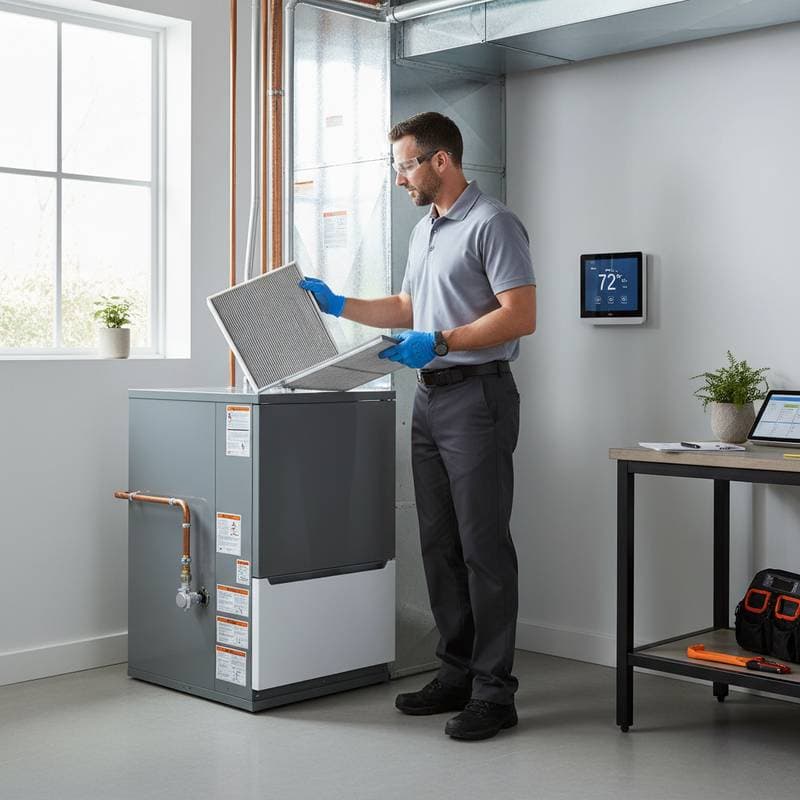
Air filters trap dust, pollen, and debris, protecting your HVAC components from wear. A clogged filter forces the system to work harder, increasing energy use by up to 15 percent. Examine filters monthly during peak seasons; replace them every one to three months depending on usage and filter type.
Locate the filter in the return air duct or furnace cabinet. Hold it up to light: if you cannot see through it clearly, it needs replacement. Opt for filters with a MERV rating of 8 to 13 for balanced filtration without restricting airflow. This step alone can lower energy consumption and improve indoor air quality.
2. Clean Evaporator and Condenser Coils
Coils transfer heat inside and outside your home, but dirt buildup insulates them, reducing efficiency. Dirty coils can raise operating costs by 20 to 30 percent over time. Schedule a thorough cleaning in spring before heavy cooling demands begin.
Turn off power to the unit for safety. Use a soft brush or vacuum to remove surface debris from the evaporator coils indoors and condenser coils outdoors. For stubborn grime, apply a coil cleaner solution and rinse gently with a hose, avoiding high pressure that could bend fins. Professional assistance may be necessary for hard-to-reach areas.
3. Test and Calibrate the Thermostat
Your thermostat controls when the system runs, directly impacting energy bills. An outdated or malfunctioning unit might cause uneven temperatures and overuse. Verify its accuracy now to avoid summer surprises.
Check the current reading against a separate thermometer; a difference of more than two degrees signals recalibration needs. For programmable models, set schedules that align with your routine, such as raising the temperature by four degrees when away. Consider upgrading to a smart thermostat for remote adjustments and usage insights, potentially saving 10 percent on cooling costs.
4. Clear Drainage Lines and Check Refrigerant Levels
Blocked drain lines lead to water damage and system shutdowns, while low refrigerant reduces cooling capacity. These issues often emerge after winter inactivity. Address them early to maintain peak performance.
Flush condensate drains with a vinegar-water mix to dissolve algae buildup; use a wet-dry vacuum for stubborn clogs. Listen for unusual hissing or feel for warm air from vents, which may indicate low refrigerant. Only certified technicians should handle refrigerant checks and recharges due to environmental regulations.
5. Energy-Efficiency Enhancements
Beyond basic maintenance, targeted upgrades amplify savings and comfort. These steps minimize heat infiltration and optimize air distribution.
- Seal attic leaks with caulk or foam to reduce solar heat gain, easing the cooling burden on your HVAC.
- Insulate ducts in attics, crawl spaces, or garages using foil-faced wraps to curb energy loss and maintain consistent air temperatures.
- Install ceiling fans in key rooms; they create a wind-chill effect, allowing you to increase thermostat settings by two to four degrees while preserving comfort.
Professional Tune-Ups and Monitoring
While DIY tasks handle routine care, an annual professional inspection uncovers hidden problems like electrical faults or worn belts. Technicians use specialized tools to measure airflow, pressure, and efficiency metrics. Book a spring service to benchmark performance and address issues before peak usage.
Monitor your system post-maintenance with a simple energy audit: track monthly bills and note any changes in runtime or noise levels. Adjust habits, such as closing blinds during midday sun, to complement mechanical improvements.
Practical Strategies for Ongoing Care
Consistency turns maintenance into a habit that yields compounding benefits. Establish routines to avoid oversight.
- Replace filters on a fixed schedule and use calendar alerts for reminders.
- Maintain a logbook recording service dates, filter specifications, and observations like unusual vibrations.
- Examine weatherstripping and caulking around windows and doors; seal gaps to prevent cool air escape during summer.
- In pet-owning households, vacuum vents biweekly to remove fur accumulations that impede airflow.
Sustained Advantages of Proactive Maintenance
Investing time in spring HVAC care extends beyond immediate bill reductions. It fosters even temperatures throughout your home, filters out allergens for healthier air, and minimizes breakdown risks during heatwaves. Over years, these efforts accumulate into lower replacement costs and a more resilient living environment, safeguarding both comfort and finances.