
Spring Tune-Ups That Slash Energy Bills
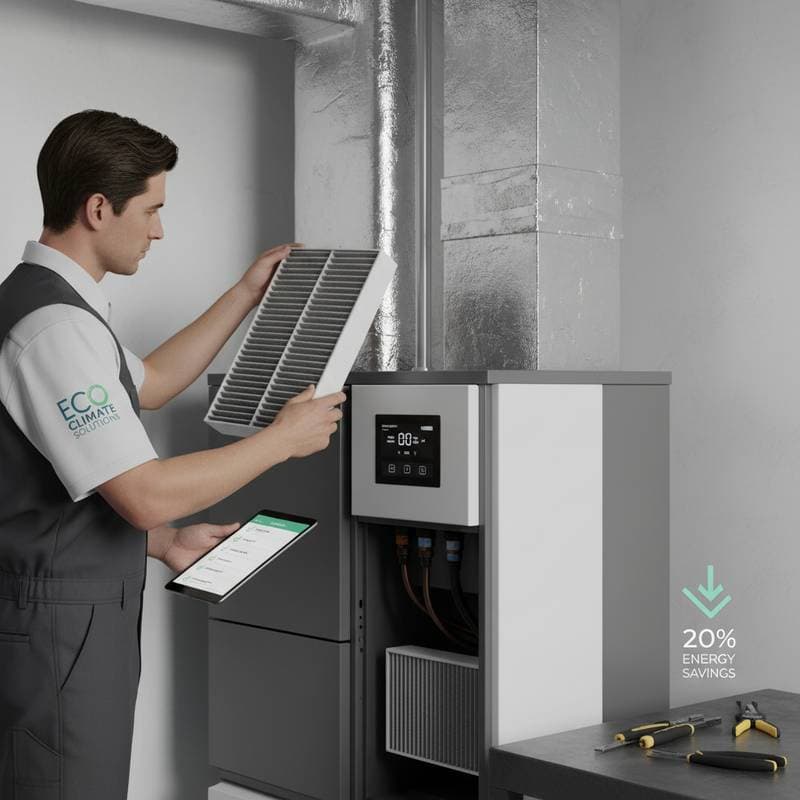
High utility costs during warmer weather are avoidable. A spring HVAC tune-up reduces energy bills by up to twenty percent, extends system lifespan, and maintains fresher indoor air. Addressing mechanical and environmental factors before the initial heat wave ensures optimal efficiency.
Why Spring Maintenance Pays Off
During the transition from heating to cooling, the system accumulates dust, pollen, and debris. This buildup forces the unit to labor more intensely, increasing electricity consumption and accelerating wear on components such as compressors and blower motors. A comprehensive tune-up prepares the system for seasonal demands, allowing it to function at maximum efficiency.
Professional inspections typically range from $100 to $250. This investment recovers quickly through reduced utility expenses. In contrast, an overlooked system incurs hundreds of dollars in wasted energy annually and risks premature failure of costly parts.
The Essential Spring HVAC Checklist
Effective maintenance includes straightforward DIY tasks and expert interventions. Follow this detailed checklist to optimize performance:
-
Replace or clean air filters. Clogged filters impede airflow and elevate energy consumption by as much as fifteen percent. Exchange them every one to three months, adjusting frequency based on household dust, pet presence, and usage patterns.
-
Clear the outdoor unit. Maintain at least two feet of clearance around the condenser by trimming nearby vegetation. Remove accumulated leaves or debris from the fins to facilitate efficient heat dissipation.
-
Inspect vents and registers. Ensure all vents remain unobstructed by furniture, rugs, or drapes. Restrictions here diminish comfort levels and impose additional stress on the system.
-
Check condensate lines. Prevent clogs by flushing the drain line with a cup of diluted vinegar. Algae growth in these lines often leads to overflows and water damage.
-
Seal ductwork leaks. Whistling noises or inconsistent temperatures signal potential losses of up to thirty percent of conditioned air. Apply foil tape or mastic sealant to minor gaps; engage a specialist for extensive repairs.
-
Test thermostat accuracy. Inaccuracies exceeding two degrees warrant recalibration or replacement with a smart model. Programmable thermostats optimize settings during absences, yielding further savings.
When to Call a Professional
Basic cleaning falls within homeowner capabilities, yet intricate diagnostics demand certified HVAC professionals. These specialists evaluate refrigerant charges, examine electrical wiring, and apply lubrication to moving elements, averting breakdowns. They employ precision tools to verify operational efficiency against manufacturer benchmarks.
For systems exceeding ten years in age or prone to repeated fixes, experts assess upgrade viability. Contemporary high-efficiency heat pumps or air conditioners reduce energy demands by up to forty percent relative to outdated units. Such replacements frequently recoup costs through long-term bill reductions.
Common Energy Leaks to Watch For
Superior maintenance proves ineffective against structural inefficiencies in the home. Address these vulnerabilities to amplify results:
-
Examine window seals for gaps or drafts. Apply fresh caulk to preserve conditioned air within the living space.
-
Enhance insulation in attics and crawl spaces. Proper barriers minimize temperature fluctuations and lessen HVAC workload.
-
Clean ceiling fan blades and set them to counterclockwise rotation for summer. This promotes uniform air circulation, permitting higher thermostat settings without sacrificing comfort.
Pro Tips for Success
Initiate maintenance at the season's outset to sidestep peak demand on service providers. Document inspection dates and filter changes to monitor trends and anticipate needs. Promptly investigate anomalies like odd sounds, variable cooling, or abrupt bill increases to forestall major issues such as compressor failure.
Integrate HVAC care with biennial home energy audits. These evaluations uncover concealed problems, including inadequate seals around attic hatches or penetrations near pipes, enabling targeted improvements.
Protecting Your Comfort Investment
The HVAC system represents a significant home asset. Annual spring rituals safeguard this investment, control expenses, and deliver reliable comfort amid rising temperatures. Expect enhanced airflow, reduced noise, and steady indoor climates as the unit operates with greater intelligence and less effort.