
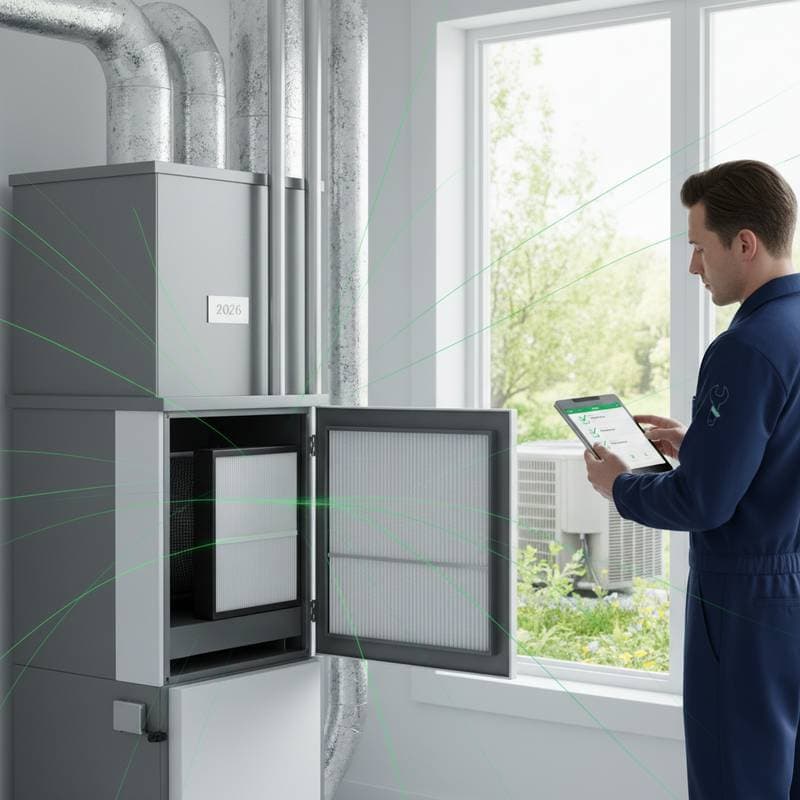
Essential Steps for a Spring HVAC Energy Audit to Maximize Savings
Rising energy bills often signal underlying issues in your home's heating, ventilation, and air conditioning system as temperatures climb. Homeowners benefit greatly from conducting a thorough energy audit during spring, a period when the system faces less strain. This proactive approach uncovers problems such as restricted airflow or insulation weaknesses, leading to enhanced efficiency, consistent indoor temperatures, and potential savings of 10 to 20 percent on annual costs. The following sections outline a structured process to perform the audit effectively, whether you handle it independently or engage specialists.
The Importance of Timing Your Audit in Spring
HVAC systems endure constant wear from daily operations, accumulating dust and developing minor faults over winter. Spring audits allow for inspections and repairs under milder conditions, avoiding the rush and higher rates of peak summer demand. Statistics from energy efficiency studies indicate that regular maintenance like this prevents up to 15 percent of energy loss due to overlooked issues. By addressing these early, you minimize the risk of system breakdowns and extend the lifespan of your equipment, which typically lasts 15 to 20 years with proper care.
Fundamental Inspection Areas for Homeowners
Begin with accessible components to build a clear picture of your system's condition. These initial checks require minimal tools and can reveal the most common sources of inefficiency.
-
Air Filters and Intake Systems
Examine filters for dirt accumulation, which impedes airflow and increases energy use by up to 15 percent. Replace standard filters every 60 to 90 days in moderate climates, or more frequently in dusty areas; opt for high-efficiency models rated MERV 8 to 13 for better performance without straining the blower motor. Clean or replace intake grilles near the unit to ensure unobstructed air entry. -
Thermostat Functionality and Calibration
Verify that your thermostat accurately reflects room temperatures, as inaccuracies can lead to overcooling and excess runtime. Consider upgrading to a programmable or smart model that optimizes settings based on occupancy patterns, potentially reducing cooling energy by 10 percent. Professional calibration ensures precision, especially for older mercury-based units, and costs around $50 to $100. -
Ductwork Integrity and Ventilation Paths
Inspect accessible ducts in attics, basements, or crawl spaces for leaks, which can dissipate 20 to 30 percent of cooled air. Use a flashlight to spot separations or holes, then apply duct sealant or metal tape for repairs; avoid cloth-backed tape, which deteriorates quickly. Ensure vents throughout the home remain open and free of furniture blockages to promote even air distribution. -
Outdoor Condenser and Coils
Remove vegetation, debris, and pollen buildup from the condenser unit, maintaining a 24-inch clearance to facilitate heat exchange. Straighten bent fins using a fin comb tool, available for under $20, to restore optimal airflow; damaged coils may require professional cleaning with specialized coils to avoid corrosion. Level the unit if needed to prevent oil pooling in the compressor.
Benefits of Engaging Professional Auditors
For a deeper analysis, hire a certified energy auditor who employs advanced diagnostics. Tools such as blower door tests measure air leakage, while infrared thermography highlights temperature variances indicating poor insulation. Expect fees of $250 to $500 for a full-home assessment, often offset by utility incentives or tax credits under programs like those from the Department of Energy. Professionals provide detailed reports with prioritized recommendations, ensuring compliance with local building codes and maximizing rebate eligibility.
Integrating Safety Checks into Your Audit Routine
Safety forms the foundation of any HVAC maintenance. Examine electrical connections for signs of wear, such as exposed wires, and test the emergency shutoff switch near the outdoor unit. Listen for unusual sounds like rattling, which may indicate loose parts, and check refrigerant lines for oil residue signaling potential leaks. If irregularities appear, power down the system immediately and consult a licensed technician to avert fire risks or carbon monoxide exposure from faulty combustion in hybrid systems.
Advanced Strategies to Enhance Audit Outcomes
Pair your HVAC review with complementary home improvements for compounded efficiency gains. For instance, apply weatherstripping to doors and windows to reduce overall cooling load by 5 to 10 percent. Install ceiling fans to circulate air effectively, allowing thermostat setbacks of 2 to 4 degrees without discomfort. Track progress by monitoring monthly utility statements pre- and post-audit, adjusting habits like closing blinds during peak sun hours to sustain savings.
Pro Tips to Streamline Your Spring Maintenance
- Perform the audit on a mild day when outdoor temperatures hover between 50 and 70 degrees Fahrenheit for accurate testing.
- Document findings in a dedicated log, noting dates for filter replacements and noting any recurring issues.
- Explore energy-efficient rebates through your local utility provider or state programs before purchasing upgrades.
- Involve family members in simple tasks like vent cleaning to foster ongoing awareness of home efficiency.
Realizing Long-Term Comfort and Cost Benefits
A well-executed spring audit transforms your HVAC system into a reliable asset that maintains ideal indoor conditions year-round. You will experience fewer temperature fluctuations, quieter operation, and noticeably reduced utility expenses. These investments not only safeguard your budget but also contribute to a healthier living environment by improving air quality and reducing strain on the grid. Commit to this annual ritual, and your home will deliver sustained efficiency and peace of mind through every season.