
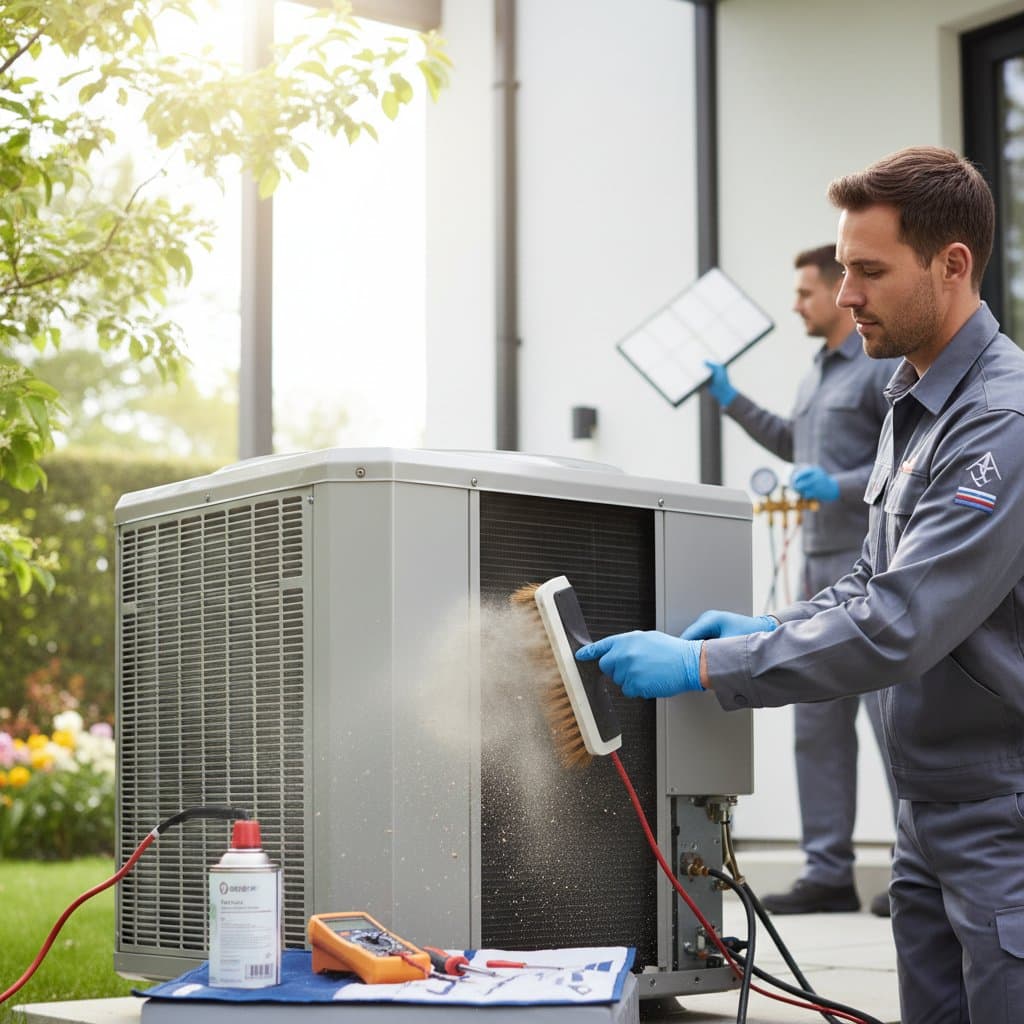
Spring HVAC Tune-Up for Superior Air Quality
Imagine opening a window on the first warm spring day and feeling the fresh, clean air fill your home. Your HVAC system can provide that same refreshing experience indoors, provided it receives proper care. Spring offers an ideal opportunity to service the system before it operates continuously during the summer. This maintenance enhances air quality, promotes financial savings, and ensures consistent comfort throughout the season.
Why Spring Maintenance Matters
During winter, HVAC systems work intensively and collect dust, pollen, and moisture in filters and ducts. These accumulations impair performance and compromise indoor air quality. Neglecting maintenance leads to increased energy consumption, inconsistent temperatures, and potential health issues like respiratory discomfort. Regular servicing allows the system to capture pollutants effectively, delivering clean, even air distribution.
Spring inspections identify minor problems early, such as frayed belts, blocked drainage lines, or insufficient refrigerant. Addressing these prevents expensive breakdowns later. Professional tune-ups typically range from $100 to $250, varying by location and system size. This upfront cost yields returns through lower utility bills and prolonged equipment durability, often lasting 15 to 20 years with proper care.
The Essential Spring HVAC Checklist
Effective tune-ups go beyond basic filter changes. Professionals follow a comprehensive process to optimize airflow, efficiency, and longevity. Below is a detailed checklist of critical steps:
- Replace or clean air filters: Perform this task every one to three months, based on filter type and household activity levels, to maintain optimal airflow.
- Vacuum vents and registers: Eliminate accumulated dust to avoid restrictions that reduce system efficiency.
- Inspect ductwork: Seal any leaks or secure loose joints to minimize energy loss and prevent entry of outdoor contaminants.
- Clean evaporator and condenser coils: Remove dirt buildup to facilitate better heat transfer and unrestricted air movement.
- Check refrigerant levels: Verify and adjust as necessary to support efficient cooling without overworking the compressor.
- Lubricate moving parts: Apply oil to motors and fans to minimize wear and operational noise.
- Test the thermostat: Confirm accurate readings and adjust settings for precise temperature regulation.
These procedures usually require about two hours and occur during one visit. Homeowners can handle filter swaps, vent cleaning, and basic visual checks independently. For safety and thoroughness, enlist professionals for coil cleaning, refrigerant handling, and electrical inspections, which demand specialized equipment.
Health and Comfort Benefits
Superior indoor air quality influences daily well-being, from improved focus to better rest. A serviced HVAC system traps allergens like pollen, dust mites, and pet dander, reducing irritation for sensitive individuals. It also regulates humidity levels below 60 percent, inhibiting mold and mildew development that can trigger allergies or asthma.
In families with children or elderly members, these improvements prove especially valuable. Integrating a MERV 13 or higher filter during tune-ups captures finer particles, further elevating air purity. Residents often report fewer headaches and enhanced overall vitality after implementing consistent maintenance routines.
Pro Tips for Success
Book your appointment early, ideally in March or April, to secure availability before demand peaks. Request a detailed service report from the technician, including before-and-after metrics like airflow rates or static pressure. Consider upgrading to a programmable or smart thermostat, which alerts you to filter changes and unusual system behavior via app notifications.
Protect outdoor condenser units by trimming vegetation at least two feet away and clearing debris regularly. Indoor spaces benefit from placing doormats at entrances to limit tracked-in pollutants. These habits complement professional services and sustain peak performance year-round.
Sustaining System Performance Year-Round
After the spring tune-up, establish a schedule for quarterly filter inspections and annual professional evaluations. View maintenance as an investment in your home's health and operational efficiency. This approach not only curbs rising energy expenses but also minimizes unexpected service calls. With diligent care, your HVAC system operates quietly and reliably, supporting a comfortable living environment through every season.