
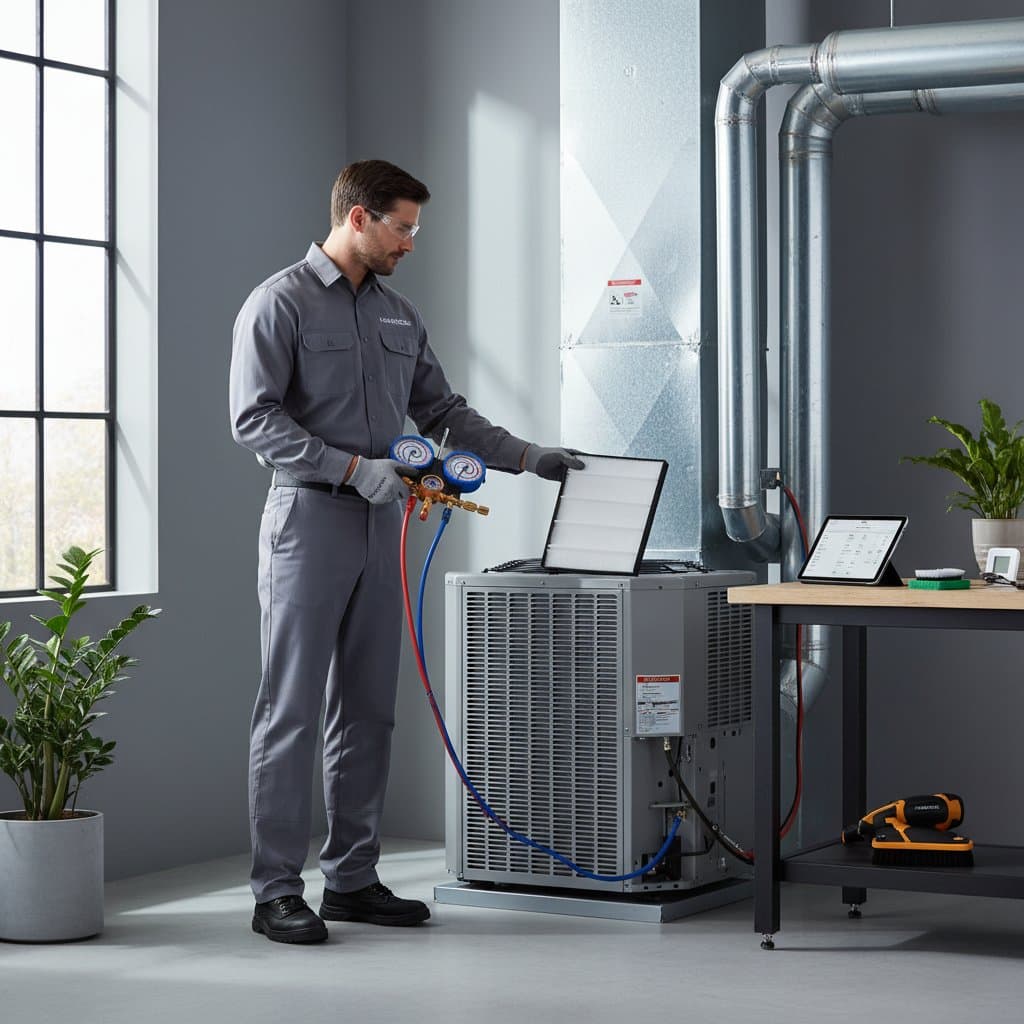
Essential Steps for Spring HVAC Preparation
The arrival of warmer weather signals a transition from heating to cooling reliance in homes. Homeowners often face the frustration of an unresponsive air conditioning system during the first hot spell. Spring preparation ensures reliable performance, avoids unexpected failures, and maintains indoor comfort when temperatures rise.
A proactive approach to HVAC maintenance extends system longevity and reduces operational costs. Early inspections identify minor issues before they escalate into major problems. This preparation aligns with seasonal changes and positions the system for optimal summer function.
Understanding the Importance of Seasonal Maintenance
Imagine entering a warm room on a hot day, only to find the air conditioning fails to activate. Such situations lead to urgent calls for service and substantial repair bills. Technicians frequently note that routine spring checks could prevent these disruptions.
Maintenance goes beyond immediate comfort. It enhances energy efficiency, which lowers utility expenses over time. Additionally, it minimizes the environmental impact by reducing energy waste from inefficient operations.
Reasons to Prioritize Spring Timing
HVAC systems endure significant strain during winter operation. Transitioning to cooling without prior evaluation risks performance issues under summer loads. Spring offers ideal conditions: milder weather facilitates outdoor work, and technicians face lighter schedules.
Studies show that maintained systems achieve up to 25 percent greater efficiency compared to neglected ones. This improvement directly cuts energy bills. Basic tune-ups cost between $80 and $200, a fraction of the $1,000 to $5,000 needed for compressor replacements.
Comprehensive Spring HVAC Maintenance Checklist
Follow this structured plan to ready your system. Some tasks suit DIY efforts, while others demand professional intervention. Completion before peak heat ensures smooth operation.
1. Replace or Clean Air Filters
Filters capture dust and allergens, protecting system components. Clogged filters reduce airflow, increase energy use, and strain the blower motor. Replace disposable filters every one to three months; clean reusable ones with mild soap and water.
Select filters with a MERV rating of 8 to 12 for standard homes. Households with pets or allergy sufferers benefit from higher MERV ratings to enhance air quality. Regular changes maintain optimal performance and indoor health.
2. Inspect and Clean the Outdoor Condenser Unit
Examine the outdoor unit for obstructions like leaves or debris. Ensure at least two feet of clearance around the unit by trimming nearby vegetation. Use a soft brush or vacuum to remove coil buildup gently.
Apply a residential coil cleaner for stubborn dirt, following product instructions. Disconnect power at the unit's switch before starting. This step prevents overheating and maintains heat exchange efficiency.
3. Clean Indoor Vents and Registers
Dust accumulates in vents over months, impeding airflow and circulating irritants. Remove covers and vacuum interiors thoroughly. Dark residue may signal duct leaks requiring professional sealing.
Cleaning improves distribution and enhances home appearance. Perform this task annually or as needed to sustain system balance. Open vents fully to maximize cooling coverage.
4. Test Thermostat Functionality
Thermostats control system cycles and energy use. Set to cooling mode and lower the temperature by a few degrees; the system should engage promptly. Replace batteries or check wiring if response lags.
Consider programmable or smart models for automated adjustments during absences. These devices optimize settings for sleep or vacancy, reducing unnecessary operation. Accurate calibration prevents overworking the system.
5. Examine Refrigerant Lines and Insulation
Inspect lines connecting indoor and outdoor components for damage or exposed sections. Intact insulation prevents energy loss and condensation issues. Replace worn insulation to avoid efficiency drops.
Suspected leaks demand immediate professional attention due to regulatory handling requirements. Certified technicians recharge systems safely. Proper insulation supports consistent cooling performance.
6. Conduct a Full System Cycle Test
After completing prior steps, run the system through a complete cycle. Listen for abnormal sounds such as rattling or grinding, which indicate loose parts. Verify even cooling from all vents and monitor cycle frequency.
Frequent short cycling suggests airflow restrictions or thermostat problems. Address irregularities early to avert larger failures. Document observations for future reference or technician discussions.
Indicators for Professional Service
DIY maintenance covers basics, but experts handle complex diagnostics. Certified technicians assess refrigerant levels, lubricate motors, and verify electrical integrity. They also perform pressure tests to confirm manufacturer standards.
Services encompass deep coil cleaning, efficiency evaluations, and safety inspections. Systems over ten years old or with repair history warrant evaluation for replacement viability. Newer models with variable-speed technology offer superior energy savings over outdated units.
Financial Analysis of Maintenance Investments
Regular care yields clear economic advantages. Annual tune-ups range from $80 to $200. Homeowners avoid average repair costs of $300 to $1,200 through prevention.
Energy savings reach 10 to 25 percent yearly with proper upkeep. Maintained systems last 15 to 20 years, extending value. Regional factors influence exact figures, but benefits consistently outweigh expenses.
Safety Protocols and Sustainability Benefits
Systems involve electricity, refrigerants, and high-pressure elements, posing hazards. Disconnect power sources before any work. Avoid tampering with sealed parts or refrigerants without certification.
Efficient operation cuts carbon footprints and eases grid strain during peaks. Energy Star-rated upgrades reduce consumption by up to 30 percent. Combine with insulation and smart controls for comprehensive eco-friendly strategies.
Resolving Frequent Operational Issues
Preparation minimizes problems, yet some occur. Warm air output requires mode verification and outdoor unit checks, including breakers. Persistent issues point to deeper faults.
Weak airflow stems from filters or closed vents; duct cleaning may resolve ongoing concerns. Noises often trace to debris or worn bearings; inspect and secure components. Indoor water leaks indicate clogged drains, cleared via vacuum or vinegar solutions.
Advanced Strategies for Optimal Performance
Book services early to secure appointments. Maintain logs of maintenance dates and replacements. Smart thermostats provide usage insights for adjustments.
Evaluate attic insulation to retain cooled air. Update door and window seals to lessen system demands. These measures amplify maintenance effectiveness.
Achieving Reliable Summer Comfort
Spring preparation establishes a foundation for uninterrupted cooling. It combines practical actions with assurance of system readiness. Homeowners gain confidence in handling heat without disruptions.