
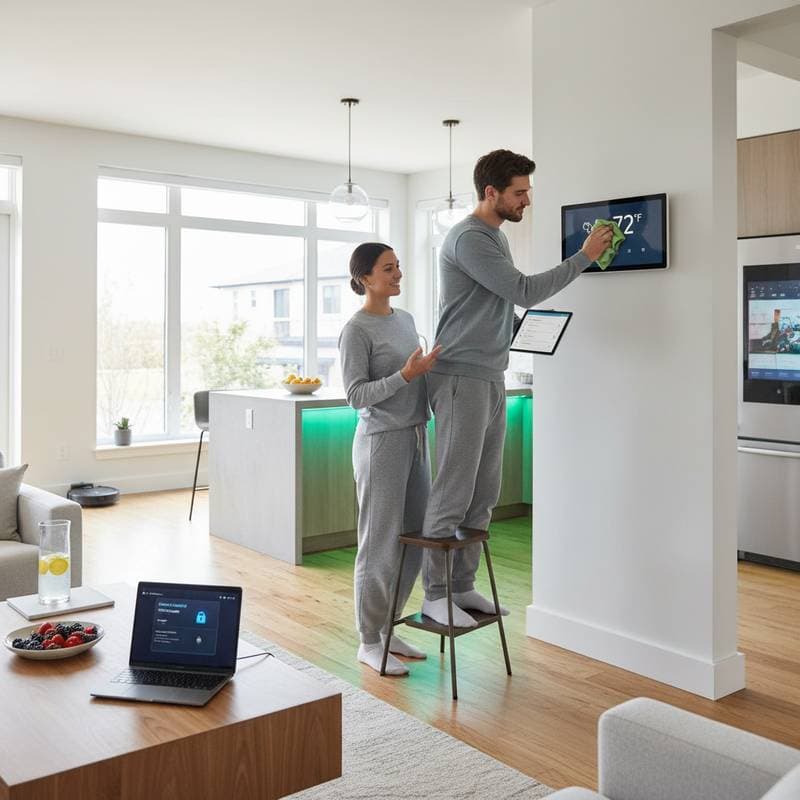
Spring 2026 Checklist for Thriving Smart Homes
Smart homes require regular attention to maintain optimal performance, much like any other household system. A dedicated spring refresh ensures devices operate securely and efficiently as seasonal changes arrive. This process involves targeted maintenance that can typically fit into a weekend schedule using basic tools.
Key Focus Areas for a Smart Home Refresh
Begin by addressing core systems that influence daily comfort and protection. Recalibrate thermostats to align with shifting weather patterns, verify automated lighting functions, and strengthen network defenses. These steps prevent common disruptions and enhance overall system reliability.
Prioritize these essential tasks:
- Smart Thermostat Calibration
- Verify sensor accuracy by measuring temperatures in multiple rooms and adjusting for any discrepancies.
- Swap out batteries in remote sensors and remove accumulated dust from surrounding vents to ensure proper airflow.
- Analyze recent energy consumption data through the device app and modify daily schedules to accommodate increased outdoor warmth, such as raising set points during peak sunlight hours.
- Lighting and Automation Checks
- Gently clean smart bulbs and surrounding fixtures with a soft cloth to restore full illumination levels.
- Update lighting programs to reflect extended daylight, shortening automatic activation times in the evening.
- Activate motion detectors in high-traffic areas and replace units that show delayed responses or false triggers, testing each in low-light conditions.
- Network Security Review
- Access the router settings to install the latest firmware version, which often includes critical security patches.
- Scan the connected device list and disconnect outdated items, such as old smartphones or unused peripherals, to minimize vulnerabilities.
- Activate two-factor authentication for all smart home applications, adding an extra layer of protection against unauthorized access.
- Smart Appliance Tune-Ups
- Inspect and clean ventilation panels on refrigerators, filter screens in ovens, and seal gaskets on washing machines to promote efficient operation.
- Initiate built-in diagnostic tests on appliances that support them, noting any error codes for further investigation.
- Confirm synchronization between appliances and their control interfaces following recent software updates, resolving any connectivity glitches.
Budget and Time Expectations
This maintenance routine remains cost-effective, especially with existing household supplies. Allocate funds primarily for consumables and optional services.
- $20 to $50 covers fresh batteries, air filters, and cleaning solutions.
- $50 to $100 accounts for expert assistance with network configurations if complex issues arise.
- Two to four hours suffices for hands-on inspections and adjustments across the home.
Persistent problems, like intermittent smart light delays or automation failures, warrant a professional evaluation prior to warmer months. Early intervention avoids costly overhauls and sustains long-term functionality.
Safety and Compliance Considerations
Electrical integrations in smart devices demand cautious handling. Disconnect power sources at the breaker before inspecting plugs or central hubs, and consult product manuals for specific protocols. For advanced setups involving water heaters or alarm-linked panels, engage certified professionals to meet regulatory standards.
Homeowners should verify that installations comply with insurance requirements, particularly for safety features like flood sensors or fire alerts. Documentation of qualified servicing supports claims and ensures uninterrupted coverage.
Seasonal Adjustments for Peak Efficiency
Warmer weather calls for proactive tweaks to automation routines. Program thermostats to engage energy-saving modes from morning until evening, leveraging geofencing technology to deactivate heating when occupants leave the premises.
Revise sprinkler timers based on rainfall forecasts to avoid excess water usage, potentially conserving resources and reducing bills. Polish lenses on outdoor cameras and recalibrate window sensors for precise detection amid blooming foliage. Such optimizations typically yield savings of ten to fifteen percent on utilities throughout the season.
Pro Tips for Success
- Maintain a digital record of completed tasks, including dates and observations, to track patterns over time.
- Program voice-activated assistants to prompt filter replacements and software checks every three months.
- Organize devices within the app by location, simplifying diagnostics during routine reviews.
- When incorporating new equipment, remap Wi-Fi coverage to identify dead zones and extend signal reach with boosters if necessary.
Sustaining Long-Term Performance
Regular tune-ups safeguard the smart home ecosystem, mitigating risks from outdated software and wear. This investment extends hardware durability, streamlines daily operations, and delivers tangible returns through reduced expenses. A well-maintained connected environment enhances living quality, providing peace of mind year after year.