
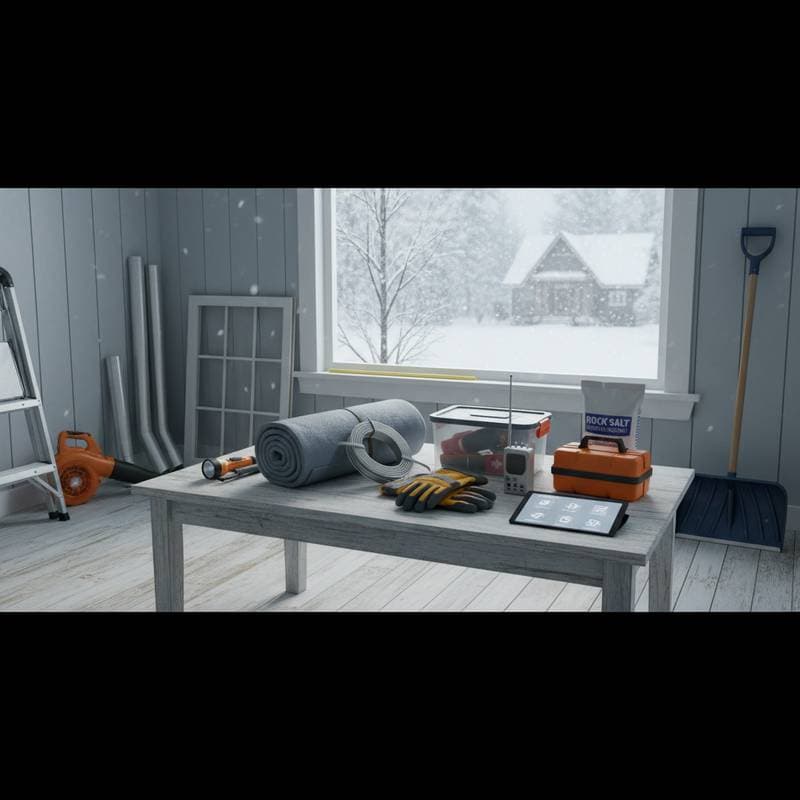
Safeguard Your Home Against Winter Storms
Winter arrives with little warning. Temperatures plummet, snow accumulates, and winds intensify, testing the integrity of every structure. Homeowners who address vulnerabilities in advance enjoy greater comfort and avoid unexpected costs. Proactive steps transform potential disasters into manageable challenges.
Essential Inspection Areas
Begin preparations by evaluating critical components. Focus on areas prone to weather-related failure.
- Examine the roof for loose shingles, cracked flashing, and signs of wear.
- Clean and inspect gutters to ensure proper drainage.
- Check siding and windows for cracks or gaps that allow cold air entry.
- Assess insulation levels in attics, walls, and floors.
- Review plumbing systems for freeze risks.
- Secure outdoor elements against wind and ice buildup.
These inspections form the foundation of effective winter readiness.
Roof and Gutter Maintenance
Roofs bear the brunt of winter's fury. Snow loads strain materials, while freeze-thaw cycles widen existing cracks. Schedule a thorough roof inspection as soon as leaves fall. Look for missing granules on asphalt shingles, which indicate aging, and ensure vents remain clear to prevent moisture buildup.
Gutters play a vital role in protecting the roofline. Debris accumulation blocks water flow, leading to ice dams that force melting snow under shingles. Remove leaves, twigs, and sediment using a sturdy ladder and garden hose. For homes with multiple stories, professional services cost between 100 and 250 dollars and include safety equipment. After cleaning, install durable gutter guards, such as micro-mesh screens, to minimize future clogs. Direct downspouts to extend at least five feet from the foundation to prevent soil erosion and basement flooding.
Enhancing Insulation and Sealing Drafts
Heat loss occurs rapidly through unsealed openings. Inspect doors and windows for weatherstripping deterioration. Replace foam tape or apply caulk to fill gaps around frames, reducing energy bills by up to 20 percent. Attic insulation demands attention; add blown-in cellulose or fiberglass if the current depth falls below 12 inches in colder climates.
Wall cavities often harbor drafts from outlet gaps. Install foam gaskets behind electrical plates to block air infiltration. For basements, apply rigid foam board to foundation walls exposed to the elements. These measures maintain indoor temperatures and shield against moisture penetration that fosters mold growth.
Protecting Plumbing from Freezes
Pipes exposed to cold pose a major risk. Identify lines running through unheated spaces, such as crawlspaces or exterior walls. Insulate them with foam pipe sleeves, available at hardware stores for minimal cost. During extreme cold, allow faucets to drip slowly to keep water moving and prevent freezing.
Shut off outdoor spigots and drain hoses before the first freeze. For whole-home protection, consider heat tape that wraps around vulnerable pipes and activates via thermostat. Test the system annually to ensure reliability. These precautions avert bursts that can cause thousands in water damage.
Securing Outdoor Areas
Landscapes suffer under winter conditions. Branches weighted by ice snap without warning, endangering structures and power lines. Hire a certified arborist to prune overhanging limbs; fees range from 200 to 500 dollars based on tree height and location. Remove deadwood to reduce wind resistance.
Patios and driveways require treatment. Anchor or store loose furniture and grills in a garage to prevent them from becoming hazards. Apply a penetrating sealant to wooden decks, creating a barrier against moisture absorption. For concrete surfaces, use de-icers like calcium magnesium acetate, which avoids the corrosion associated with traditional rock salt.
Building an Emergency Kit
Outages disrupt daily life. Assemble a kit stored in an accessible location. Stock multiple flashlights with fresh batteries, a hand-crank radio for weather updates, and at least one gallon of water per person daily for three days.
Include non-perishable foods like canned goods and energy bars, plus a comprehensive first-aid kit with bandages, antiseptics, and medications. For homes with sump pumps, add a battery backup unit to maintain operation during blackouts. If opting for a generator, position it outdoors at least 20 feet from windows and doors to eliminate carbon monoxide risks. Review and rotate supplies every six months.
Professional Guidance and Safety Checks
Some tasks exceed DIY capabilities. Consult licensed professionals for electrical wiring inspections, especially if outlets show signs of wear. Electricians charge 75 to 150 dollars per hour for assessments that identify overload risks.
Test smoke and carbon monoxide detectors monthly, replacing batteries before winter's onset. Document all preparations with photographs for insurance purposes. Maintain a contact list of trusted contractors for rapid response to any issues.
Sustaining Long-Term Home Resilience
Winter care builds lasting protection. Each inspection reveals insights into your home's needs, informing future improvements. By investing time now, homeowners preserve property value and ensure family safety amid harsh conditions. Regular maintenance turns seasonal threats into opportunities for enhancement.