
Why AI Will Challenge Professional Designers by 2026
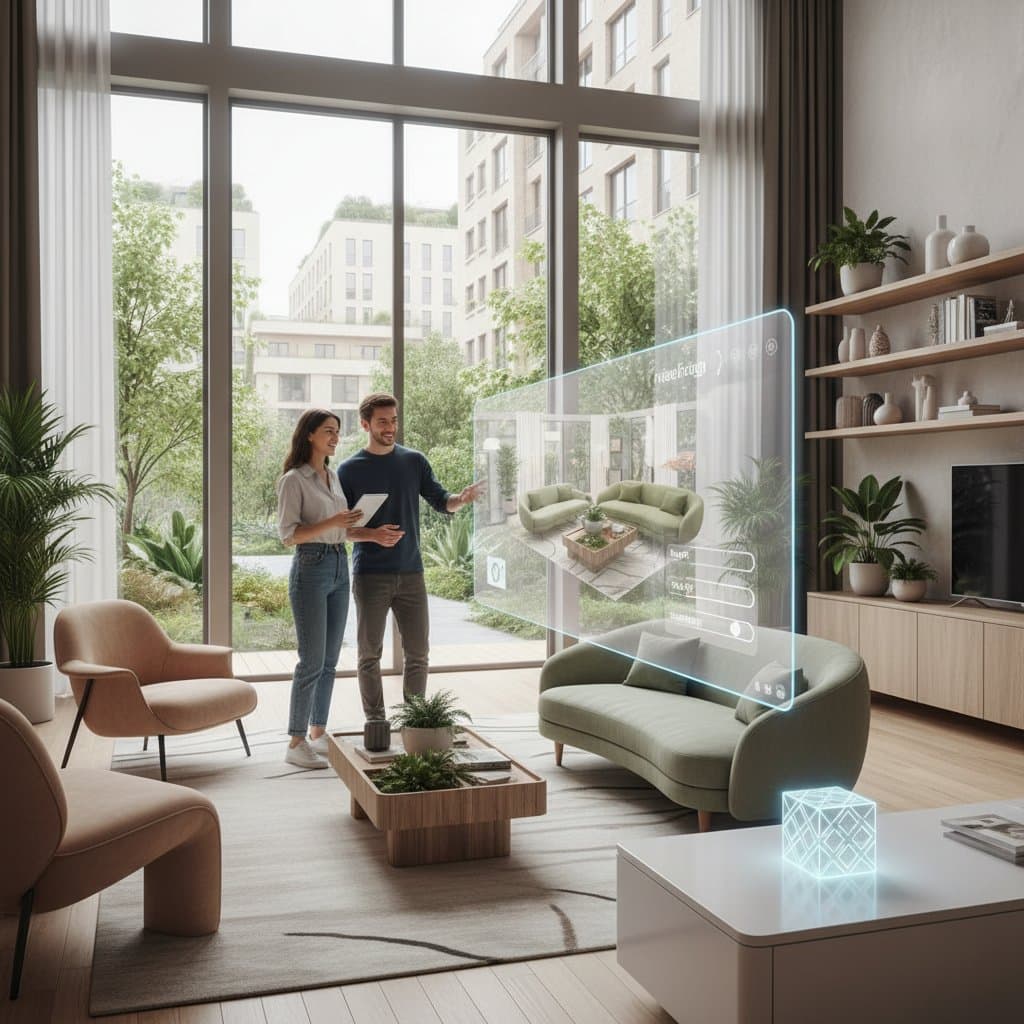
Visualize a living room with balanced proportions and harmonious colors. Traditionally, a professional designer achieves this through consultations and samples. Now consider an AI tool that reviews your space photos, budget details, and style notes to produce a full design scheme, including color schemes, furniture arrangements, and purchase options, all in minutes.
This capability signals a shift in home design. AI tools function like everyday apps, with interfaces as simple as photo editors and insights as deep as studio analyses. Their impact on the industry grows rapidly, influencing how individuals approach interior updates.
AI Design Assistants at Your Fingertips
Previous design software demanded expertise and time. Current AI platforms accept simple descriptions and images. For instance, input "mid-century modern with cozy elements," and the tool creates several layout options, factoring in room dimensions, light patterns, and current items.
AI handles endless adjustments without fatigue. Request changes, such as replacing bold patterns with subtle textures or testing various lighting scenarios in a bedroom. Each response builds on prior inputs, fostering a partnership that evolves with user guidance.
Core Mechanisms of AI Design
These tools combine image analysis, pattern prediction, and style databases. They scan photos for room features like wall angles and window placements, then align them with current trends for unified outcomes. Advanced versions incorporate virtual previews, enabling users to view proposed changes overlaid on their actual space.
Such technology detects issues like uneven furniture scaling or color mismatches through algorithms. It evaluates material textures, shade balances, and flow dynamics precisely. This approach delivers reliable results, often surpassing rushed human efforts in detail and speed.
Making Design Affordable for Everyone
Professional interior services typically cost thousands, covering consultations, sourcing, and installations. AI alternatives provide similar visualizations at minimal expense, opening design expertise to broader audiences.
Typical Pricing Structures
Most platforms charge via subscriptions or per-project fees. Basic room analyses range from $20 to $100, scaling with detail levels. Premium features, like integrated shopping or custom plans, may cost up to $300. In contrast, hourly professional rates start at $50 to $200, highlighting the cost advantage for routine projects.
Maximizing Value Through Smart Choices
Beyond initial savings, AI guides purchasing decisions. Set budget limits, and it proposes items within them, estimating total expenses and suggesting alternatives for cost efficiency. This oversight avoids common errors, such as selecting oversized pieces, and supports informed spending that aligns with financial goals.
Capturing Personal Taste Through Data
AI excels at decoding individual preferences from user inputs. It processes images and text descriptions against vast style libraries. For example, selections of earthy palettes and soft fabrics signal a preference for warm, organic aesthetics, prompting tailored recommendations.
Integrating Data and Individual Flair
Skeptics question AI's grasp of subtle creativity. However, users often find initial AI outputs more aligned than vague human discussions. AI benefits from extensive datasets spanning global designs and user interactions, adapting broad patterns to specific needs.
Human elements remain essential. AI generates options, such as variations on a rustic theme, for users to select based on emotional fit. It serves as an enhancer, expanding creative options without overriding personal vision.
Promoting Sustainable Home Updates
AI contributes to eco-friendly practices by prioritizing reuse and efficiency. It suggests repositioning existing pieces, enhancing daylight use, and selecting regional materials to minimize environmental impact while preserving aesthetic appeal.
Minimizing Waste with Accurate Simulations
Home projects often generate excess through experimentation, like ill-fitting decor or mismatched hues leading to returns. AI counters this with precise models that verify sizes, light interactions, and aging effects. Users preview outcomes, reducing impulsive buys and encouraging thoughtful resource use.
Favoring Renewal Over New Purchases
Certain tools assess older items for revival. Upload an image of a faded cabinet, and receive options for sanding, recoloring, and pairing with updated accents. This focus on refurbishment aligns with trends toward reduced consumption and extended item lifespans.
Knowing When Professionals Step In
AI handles visualization effectively, yet complex modifications demand experts. Tasks involving wiring, pipes, or load-bearing adjustments require certified specialists for safety and compliance.
Combining AI with Expert Input
Emerging practices pair AI for ideation with pros for execution. Homeowners generate concepts digitally, then engage contractors for realization. Designers increasingly adopt AI to accelerate option presentations, merging tech accuracy with intuitive artistry in collaborative workflows.
Addressing AI Design Challenges
AI systems occasionally misread elements, such as dim photos causing layout errors or expired links complicating buys. Counter this by confirming dimensions yourself and checking stock directly. Provide high-resolution, evenly lit images for optimal accuracy.
For broader suggestions, enhance prompts with specifics on use and vibe. Terms like "playful kitchen for young families with sleek lines" or "serene office blending industrial and soft woods" direct toward precise results. View interactions as iterative conversations to refine outputs.
Embracing Your Transformed Space
Implementing an AI design brings a sense of ownership. The result stems from your inputs, enhanced by tech, creating environments that evolve with life changes.
Sustaining Design Freshness
Preserve vibrancy through routine adjustments. Shift decor with seasons, tweak lights for daily rhythms, and rearrange as needs shift. Revisit AI platforms with new photos for minor updates that maintain harmony.
Developing Design Confidence
Each project builds knowledge in balance, tones, and layouts. Start with one area, then expand, gaining assurance in choices. AI empowers rather than supplants, cultivating skills for future independent endeavors.
Advancing Your Design Journey
AI elevates home design as a shared process between technology and intuition. Engage these tools to convert ideas into tangible improvements, fostering spaces that inspire daily life.