
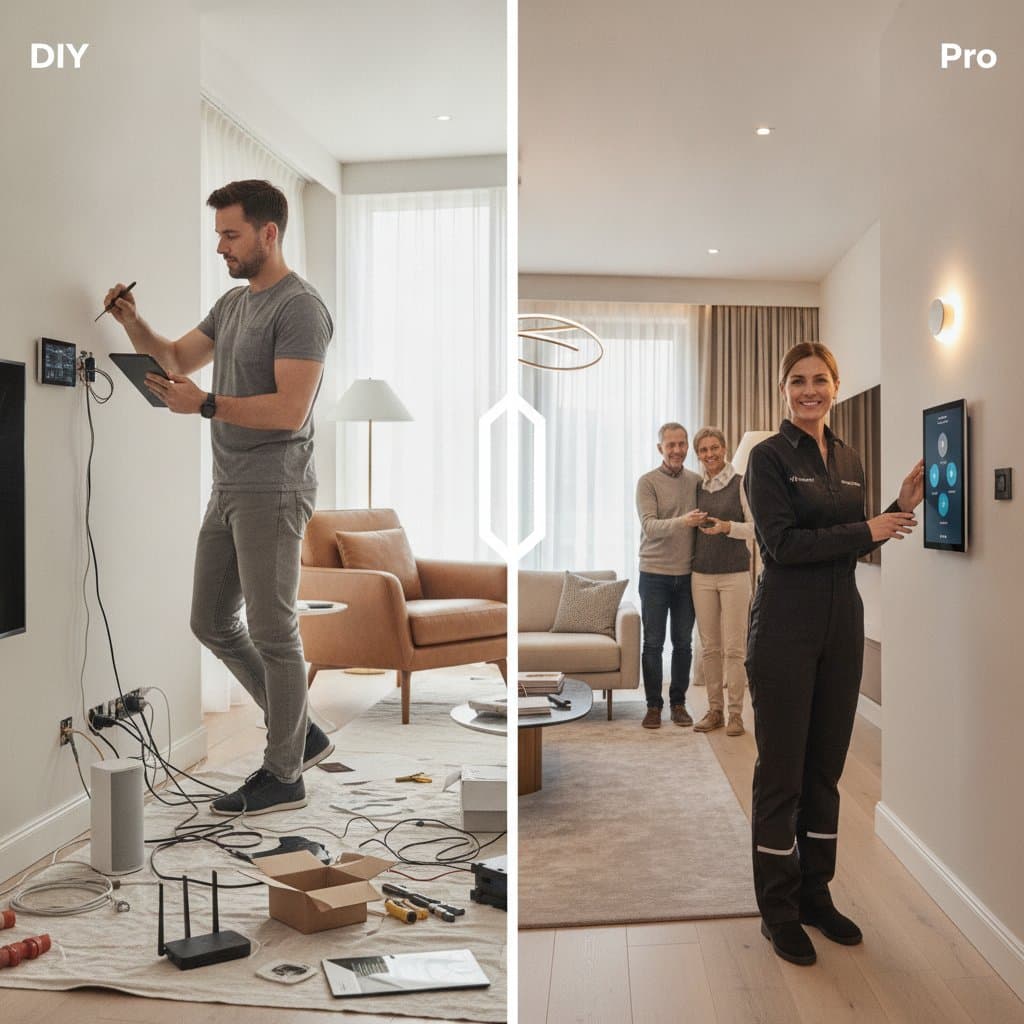
Smart Home DIY vs Pro: When to Spend the Money
Smart home upgrades range from simple device swaps to full automation networks. Homeowners must weigh upfront costs against long-term performance and safety. The choice between self-installation and professional service shapes both budget outcomes and daily reliability.
Cost Components in Smart Home Projects
Setup expenses depend on wiring conditions, network capacity, and device quantity. A basic switch replacement stays under fifty dollars when completed independently. Full-home automation through a contractor often totals between four thousand and twelve thousand dollars.
Labor charges cover electrical expertise, network configuration, and system testing. These services reduce hours spent on trial-and-error adjustments. Self-installation eliminates hourly fees yet requires personal time for research and problem solving.
Typical Expenses for Independent Installation
Individuals comfortable with basic tools can complete many upgrades without outside help. Common device costs break down as follows:
- Smart thermostats range from eighty to two hundred dollars, with one to two hours needed for wiring and app pairing.
- Video doorbells cost one hundred to three hundred dollars; battery models avoid electrical work.
- Lighting controls begin at fifteen dollars per bulb or twenty dollars per switch.
- Indoor cameras start near forty dollars, while outdoor units reach two hundred dollars.
- Hubs and speakers fall between fifty and two hundred dollars each.
A starter collection of lighting, climate control, and cameras totals three hundred to seven hundred dollars. New users should allocate a full weekend for mounting, configuration, and testing.
Professional Service Pricing Breakdown
Contractors bill seventy-five to one hundred fifty dollars per hour plus hardware. Package rates commonly include calibration and user training.
- Thermostat installation runs two hundred to four hundred dollars.
- Doorbell setup falls between one hundred fifty and three hundred fifty dollars.
- Multi-room lighting projects range from five hundred to one thousand dollars.
- Integrated security systems begin near one thousand dollars and scale past five thousand for larger homes.
- Complete automation packages span four thousand to twelve thousand dollars.
These fees secure code compliance, warranty protection, and unified control across platforms.
Long-Term Performance Factors
Independent setups allow gradual expansion and personal learning. Professional systems deliver extended support and documented compliance that may increase resale value. Reliability improves when multiple subsystems share a single interface.
Safety Requirements and Warranty Terms
Incorrect wiring creates shock hazards and can void manufacturer coverage. Always isolate power at the breaker before any electrical work. Licensed installers maintain insurance and follow local codes.
Situations Favoring Independent Work
Choose self-installation under these conditions:
- Basic electrical tasks present no difficulty.
- The project starts with a few plug-and-play devices.
- Time exists for troubleshooting and learning.
- Future expansion will occur in stages.
Situations Favoring Professional Help
Hire contractors when these factors apply:
- Older wiring or complex layouts exist.
- Multiple systems must share one control platform.
- Time for integration and maintenance is unavailable.
- Ongoing support and documented installation matter.
Hybrid arrangements let professionals handle wiring while owners manage simpler pairings.
Next Steps for System Management
Schedule regular firmware updates and test automation sequences each season. Consistent maintenance preserves energy savings and prevents integration failures over time.