
Unveiling Hidden Costs in 2025 Kitchen Remodels
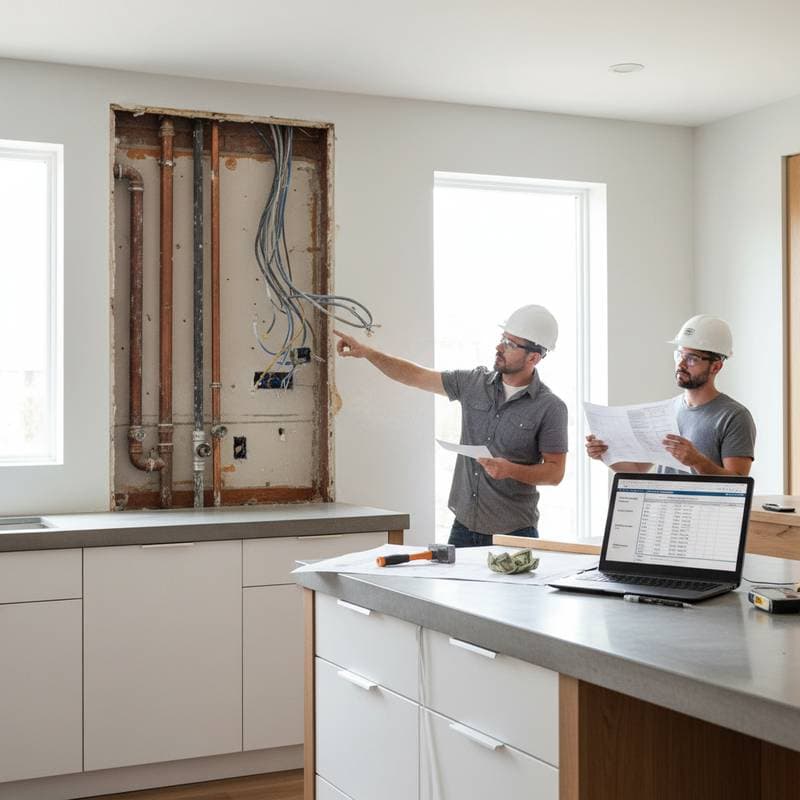
Homeowners rarely grasp the true cost of a kitchen remodel until demolition reveals concealed issues. Even detailed plans fail to account for surprises like outdated wiring or water damage that emerge during the process. These unforeseen expenses transform minor updates into significant investments. The purpose of this overview is to illuminate potential pitfalls, enabling informed decisions that protect your finances while achieving a high-quality result.
Essential Considerations Before Beginning
- Allocate 15 to 25 percent of your budget for unexpected expenses to maintain financial stability.
- Structural, plumbing, and electrical problems represent the primary sources of overruns.
- Permits, design modifications, and supply delays accumulate costs incrementally.
- Conduct thorough inspections and develop a detailed plan to mitigate most surprises.
Kitchen renovations typically span from $10,000 for basic refreshes to over $50,000 for comprehensive updates. Initial estimates often overlook the additional charges that arise post-demolition.
1. Structural Issues Concealed in Walls
Demolition exposes framing weaknesses, inadequate insulation, moisture intrusion, or pest damage that demand immediate remediation. In older homes, these elements frequently fail to comply with contemporary building codes. Strengthening supports, replacing joists, or enhancing insulation may increase expenses by thousands.
Indicator of concern: Uneven floors or subtle ceiling dips signal potential structural weaknesses requiring prompt evaluation prior to surface installations.
Mitigation approach: Commission a professional structural assessment before any teardown. An investment of a few hundred dollars in this step averts bills that could reach five figures.
2. Plumbing Challenges That Escalate Expenses
Concealed corrosion, inefficient drainage, or obsolete piping necessitates complete overhauls for code adherence. Relocating fixtures like sinks or dishwashers involves extensive rerouting through structural elements. Such modifications accumulate rapidly, particularly when leaks or violations surface during the work.
Cost spectrum: Moderate plumbing enhancements range from $1,000 to $5,000, with comprehensive replacements exceeding this based on reconfiguration needs.
Expert recommendation: Address inconsistent water flow or unusual pipe noises through pre-project inspections. Early detection prevents disruptions to freshly installed surfaces.
3. Mandatory Electrical System Enhancements
Contemporary kitchens require substantial electrical capacity beyond what many legacy homes provide. Integrating modern appliances, advanced lighting, and regulatory standards highlights deficient circuits or panels. New installations, proper grounding, and panel upgrades cost between $2,000 and $6,000, scaled to the power demands.
Critical caution: Refrain from self-performing electrical tasks without proper licensing and expertise. Errors risk fires and may invalidate insurance policies.
Strategic step: Incorporate an electrical review into initial planning. Upgrades prove more economical before enclosing elements with cabinetry or walls.
4. Navigating Permits, Inspections, and Regulatory Compliance
Overlooking permits leads to complications when authorities intervene unexpectedly. Local ordinances mandate approvals for alterations involving plumbing, electrical, or structural components. Associated fees vary from hundreds to thousands of dollars, influenced by project scope and regional policies.
Overlooked expense: Unauthorized work invites penalties, project halts, or mandated reversals. Non-compliance also hinders property transactions and diminishes market value.
Safeguard measure: Confirm your contractor holds valid licensing and manages permit acquisition. Secure documentation for personal records.
5. Managing Design Alterations and Material Changes
Plans evolve, prompting shifts like sourcing alternative backsplashes or adjusting countertops for aesthetic fit. Each revision impacts budget and schedule. Supply disruptions from discontinued items delay progress, incurring extra labor charges.
Financial buffer: Reserve at least 10 percent of the budget for adaptations. This allowance supports adjustments without derailing overall funding.
Practical insight: Custom specifications heighten overrun risks. Opt for readily available cabinets and standard countertop dimensions to minimize costs and timelines.
6. Appliance Procurement and Setup Charges
Budgets often isolate appliance costs, neglecting transport, integration, and old unit removal fees. Connections for gas, electricity, and venting demand skilled labor. Delivery alone spans $50 to several hundred dollars per item, with installations potentially doubling that figure.
Concealed addition: High-end units such as integrated refrigerators require tailored cabinet modifications, extending labor and duration.
Wise procedure: Clarify delivery and setup conditions at purchase. Certain vendors bundle services, while others apply separate fees.
7. Addressing Flooring Interfaces and Subfloor Conditions
Mismatched heights at flooring junctions pose safety risks and aesthetic issues. Post-removal assessments frequently uncover subfloor deterioration from prior leaks. Remediation or leveling adds hundreds to thousands, amplified by water-related decay.
Alert signal: Yielding areas, stains, or odors indicate underlying rot needing resolution before new coverings.
Proactive measure: Direct your contractor to evaluate subfloors during quoting. Partial replacements now exceed the expense of full reconstructions later.
8. Handling Debris Removal, Cleanup, and Workspace Safeguards
Kitchen tear-outs produce substantial refuse, with dumpster rentals and disposal fees reaching several hundred dollars per local rates. Safeguarding neighboring areas against dust and impacts involves additional supplies and effort not always itemized upfront.
Contractor perspective: Reputable proposals encompass protection protocols. Verify inclusions for debris management to ensure cost transparency and quality outcomes.
9. Accounting for Interim Living Disruptions
Extended kitchen unavailability elevates daily expenses through external dining or provisional setups. Weekly outlays for meals or basic cooking stations accumulate to hundreds. Such indirect costs merit inclusion in overall projections.
Cost containment: Arrange for essentials like a microwave, hot plate, and compact cooler in an alternative space. These provisions curb spending during construction.
10. Understanding Contractor Change Directives
Change orders formalize post-contract adjustments to scope or selections, introducing overhead for documentation, rescheduling, and resource shifts. While essential at times, excessive instances balloon totals significantly.
Caution indicator: Ambiguous agreements lacking specifics on materials or deadlines foster frequent revisions.
Optimal approach: Scrutinize contract details thoroughly pre-signature. Define triggers and pricing mechanisms for any modifications.
Strategies for a Seamless Remodel
- Maintain comprehensive records of estimates, invoices, and approvals in a dedicated file for expenditure monitoring and compliance.
- Engage verified, insured specialists to shield against liabilities from accidents or infractions.
- Coordinate inspections promptly to avoid municipal bottlenecks; outline the sequence in advance.
- Address core systems like plumbing, electrical, and framing before aesthetic elements.
- Select resilient, efficient options that lower upkeep and enhance property appeal.
Safeguarding Your Kitchen's Longevity
Post-completion, routine care preserves the remodel's integrity. Inspect seals around fixtures biannually to prevent water ingress. Service appliance components regularly for optimal function. Vigilance against leaks or humidity ensures enduring performance and value.
Strategic foresight transforms renovations into assets that bolster home safety and worth. Anticipating concealed expenses equips you to execute the project assuredly, yielding a durable space that aligns with your vision.