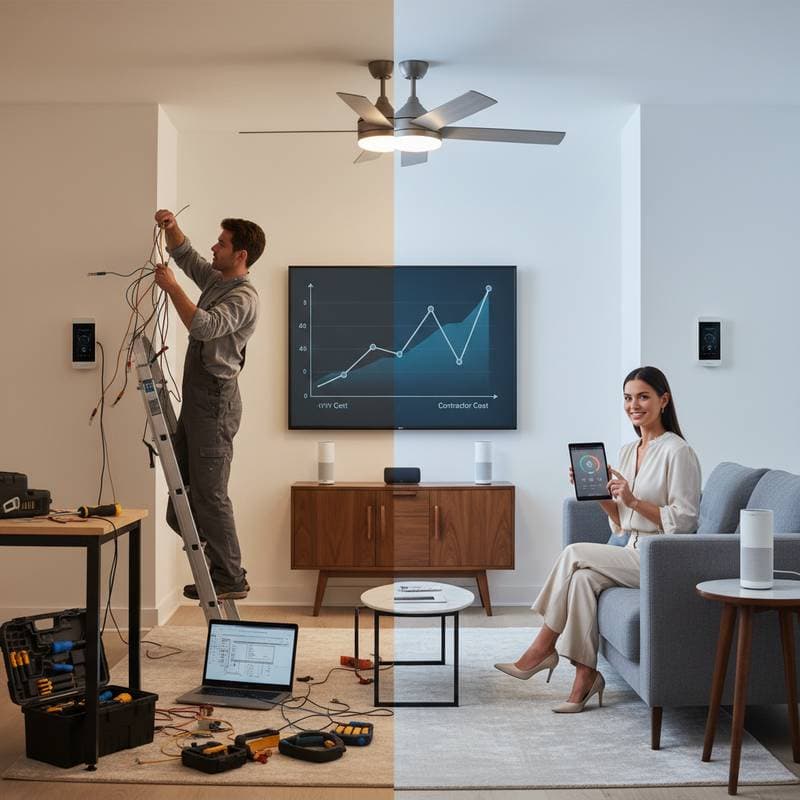
DIY Smart Home: Save Cash or Face Big Headaches?
Self-building a smart home offers savings and personalization, yet wiring, compatibility, and security hurdles can complicate efforts.
By Maddie Ellison
5 min read
Loading...

Self-building a smart home offers savings and personalization, yet wiring, compatibility, and security hurdles can complicate efforts.
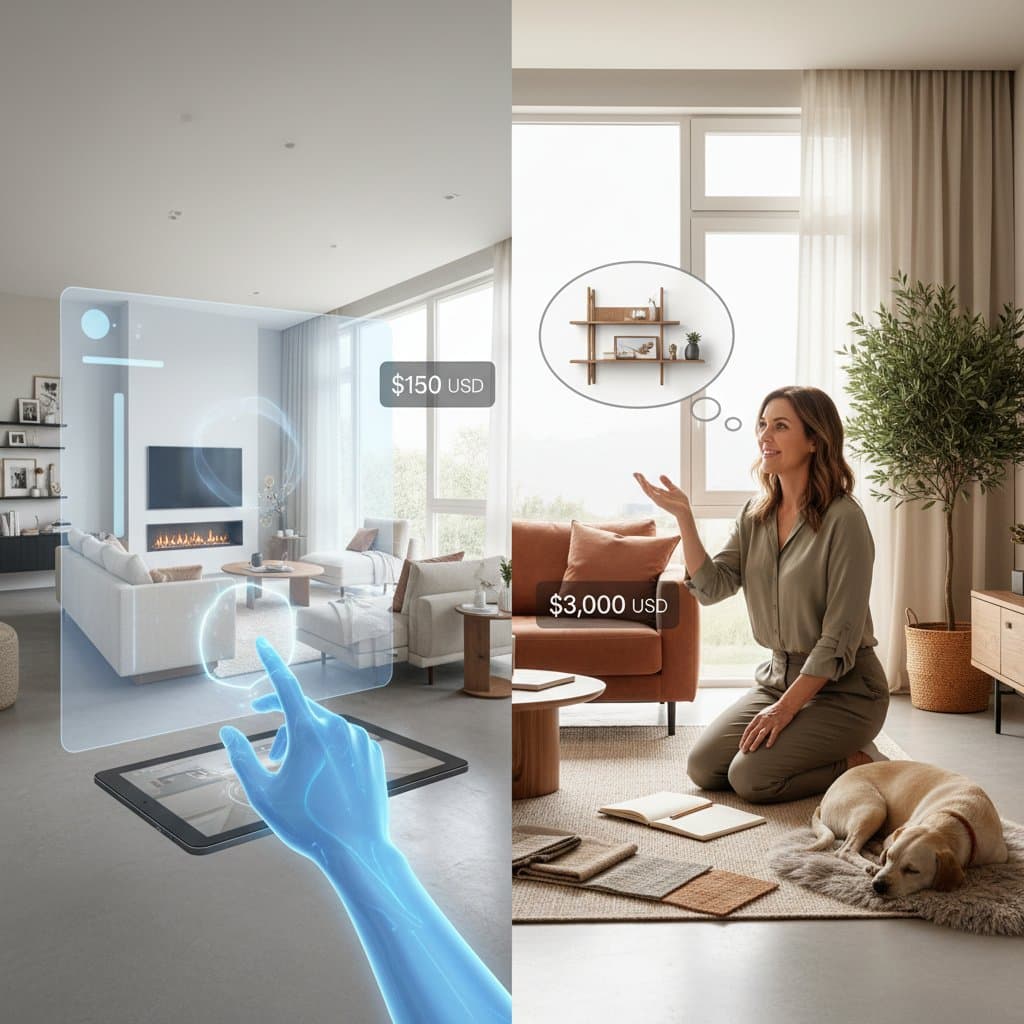
By 2026, AI design tools disrupt interior design with vast savings and rapid outputs, rivaling human specialists. While experts deliver irreplaceable insight and empathy, this analysis uncovers price gaps and shifting priorities, empowering homeowners to balance tech with artistry for optimal worth.
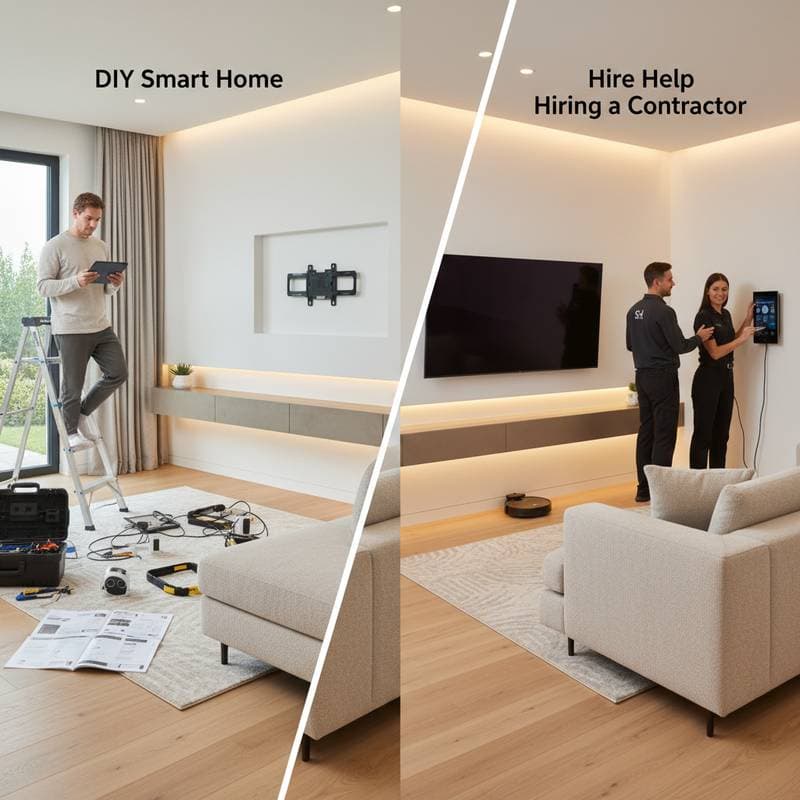
Dreaming of a smart home? Weigh DIY installation against hiring experts by comparing expenses, technical demands, safety factors, and reliability to select the approach that suits your skills, schedule, and savings for an integrated living space.
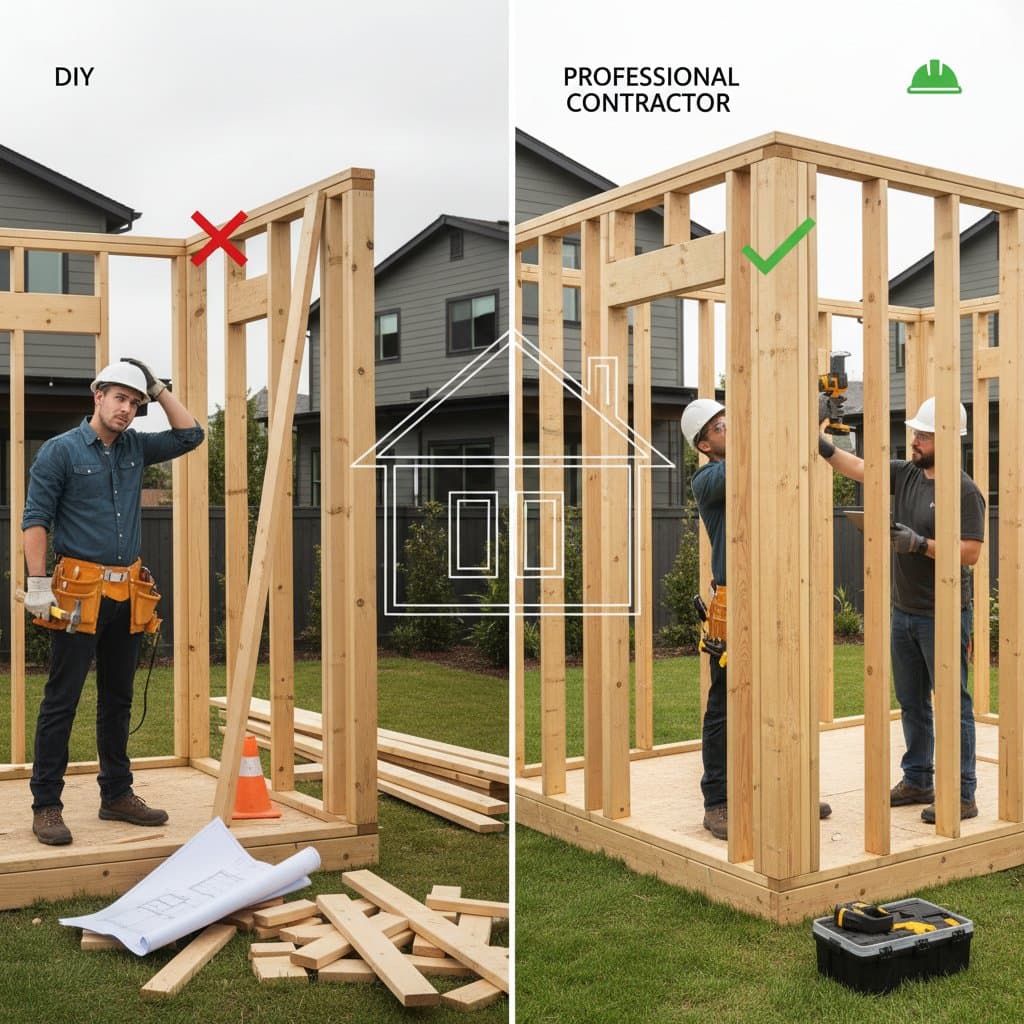
While DIY ADU framing appears economical, errors lead to rework, inspection rejections, and coverage denials. Experts provide accuracy, regulatory knowledge, and efficiency that secure your investment. Discover how combining professional framing with selective DIY tasks delivers a durable, valuable structure.
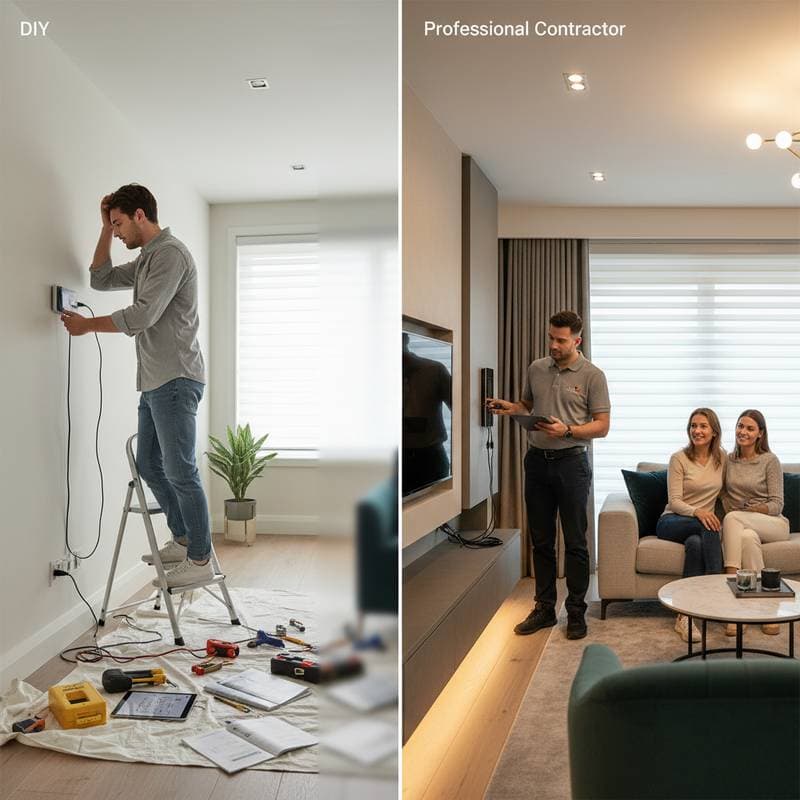
Smart home DIY projects offer empowerment yet pose challenges in complexity and safety. This resource outlines decision criteria for self-installation versus professional services, including cost analyses, system integrations, and maintenance tips for a seamless, durable setup.
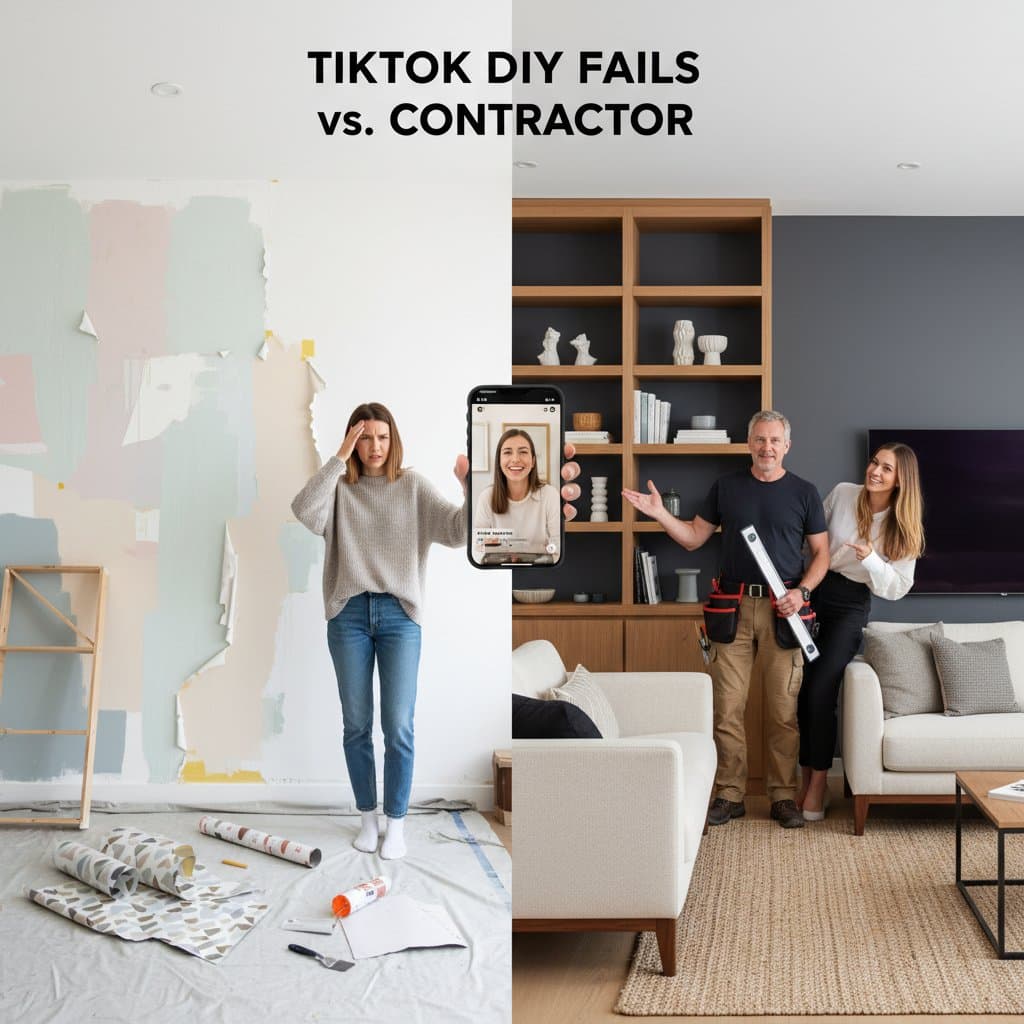
TikTok DIY videos offer quick home transformation ideas, yet they frequently overlook preparation, costs, and durability.
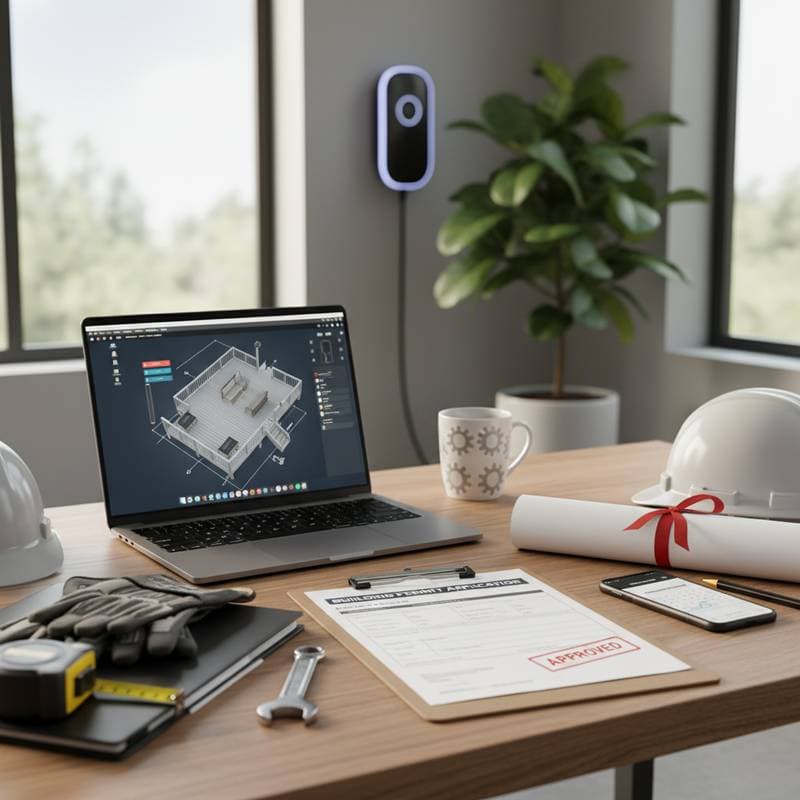
In 2026, projects like roof replacements, HVAC upgrades, and fence installations often require permits to meet enhanced safety and efficiency standards. Understand local requirements to prevent fines, insurance complications, or delays in property resale. This guide details permit needs, application processes, and strategies for successful DIY compliance.
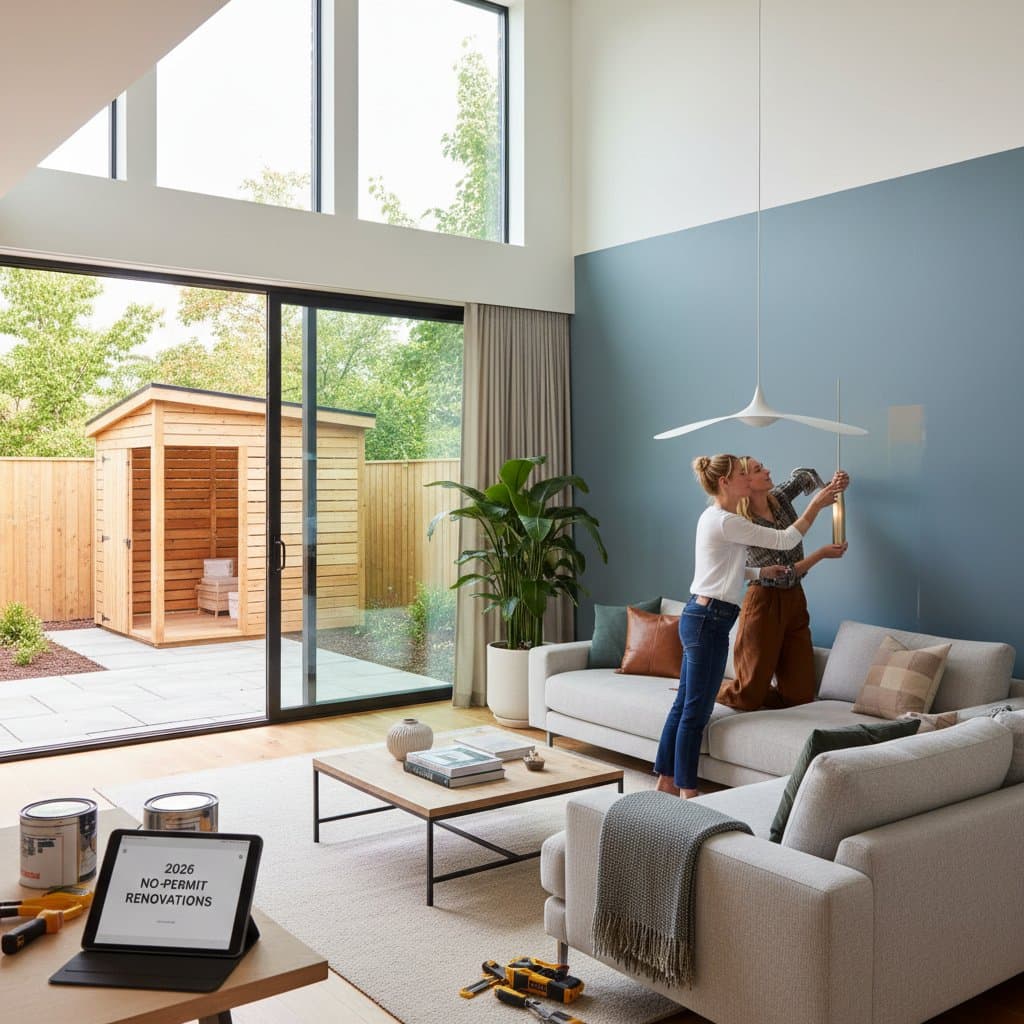
Navigate 2026 home improvements with ease by focusing on permit-free upgrades. This guide covers cosmetic refreshes, minor outdoor builds, and essential maintenance tasks that comply with local codes, helping you save on costs while improving safety and appeal.
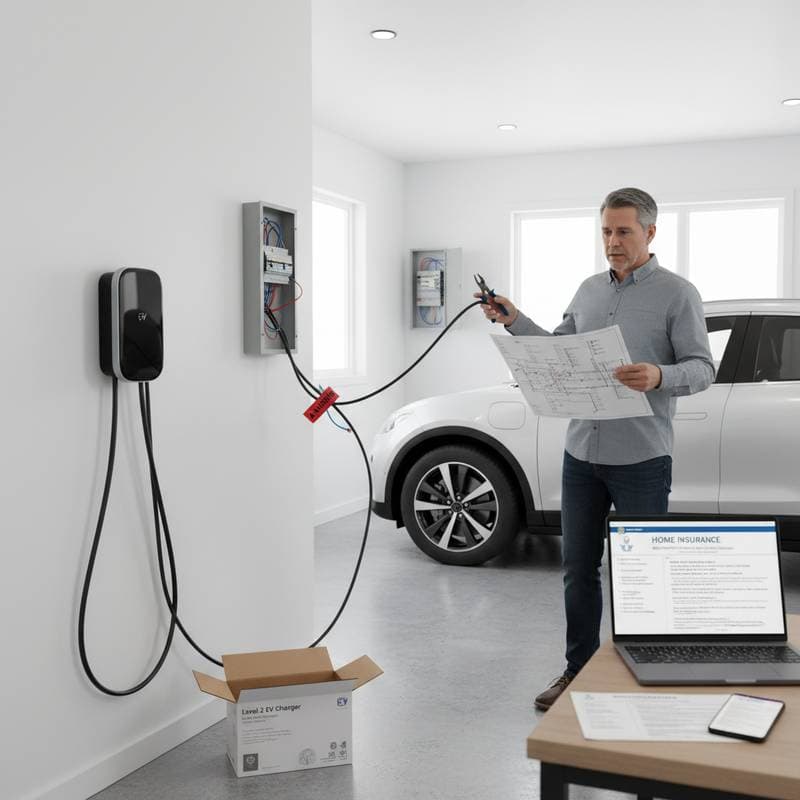
While installing an EV charger at home appears straightforward, DIY approaches often lead to electrical hazards, invalidated warranties, and unexpected expenses.

Gen Z homeowners redefine home improvement by prioritizing professional contractors over DIY efforts. They balance creative input with expert execution to achieve efficiency, safety, and sustainability, transforming renovations into smart investments that enhance both lifestyle and property value.
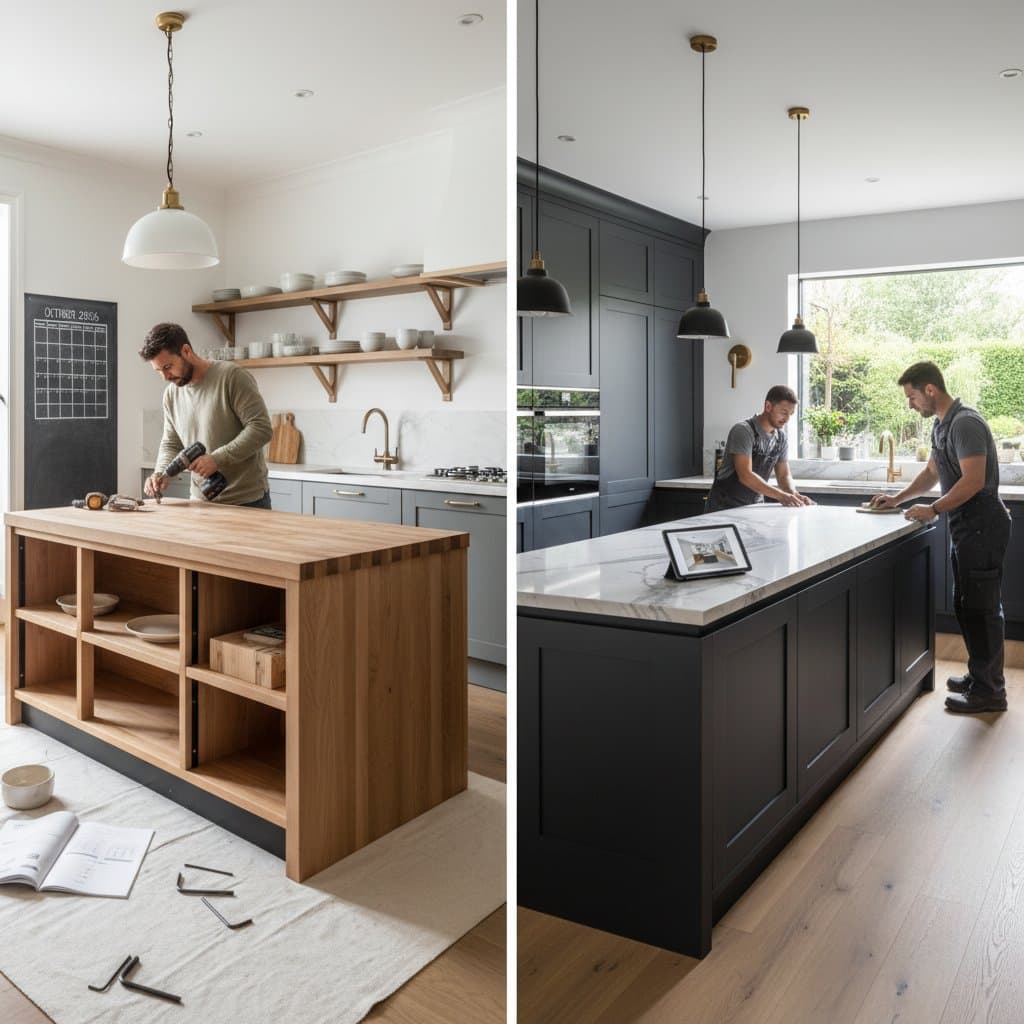
Determine the top kitchen island choice for 2026 in this detailed comparison of DIY kits and custom installations. Evaluate expenses, customization levels, setup duration, longevity, and property value impact to identify the best fit for enhancing your kitchen's style and utility.
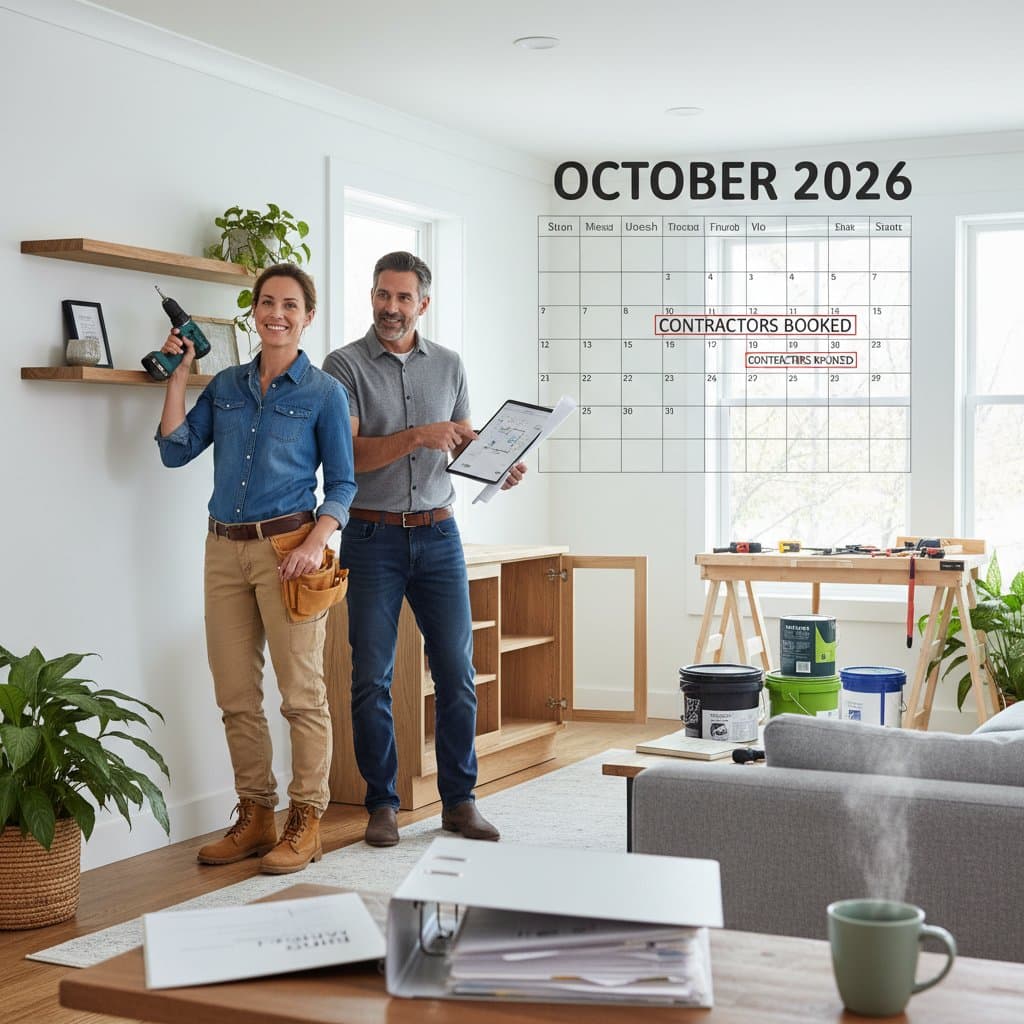
Amid the 2026 contractor shortage, homeowners embrace DIY to drive home projects forward. This guide details essential tools, safe strategies, and sustainable practices to achieve professional results independently, fostering skill development and cost efficiency.
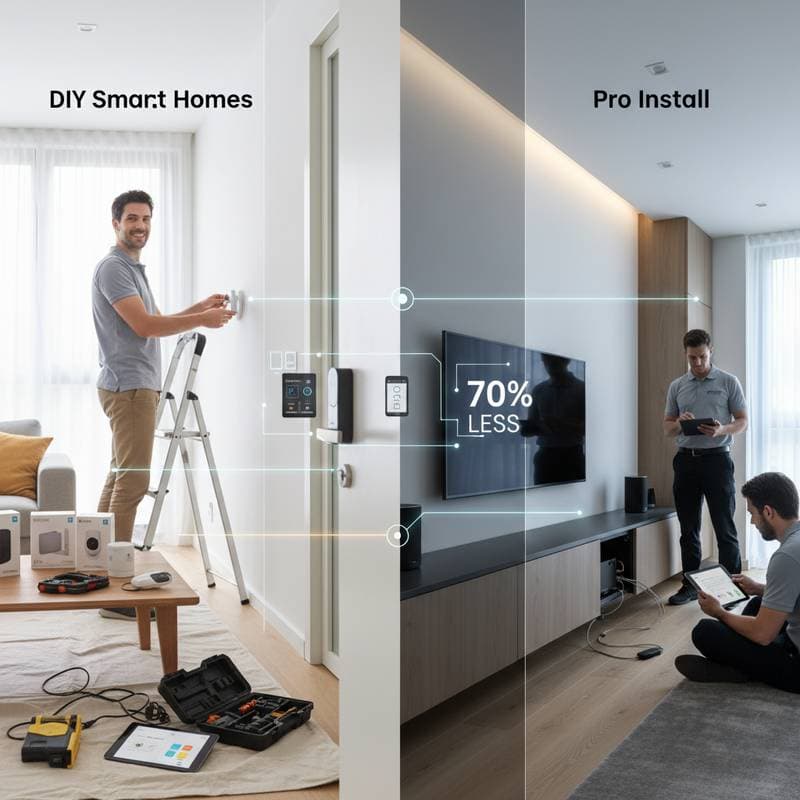
Creating a smart home involves weighing affordability against expertise. DIY options provide significant cost savings and hands-on control, though they require technical skills. Professional services ensure flawless execution at a premium price. A combined strategy delivers optimal results, combining savings with reliability for enhanced home intelligence.
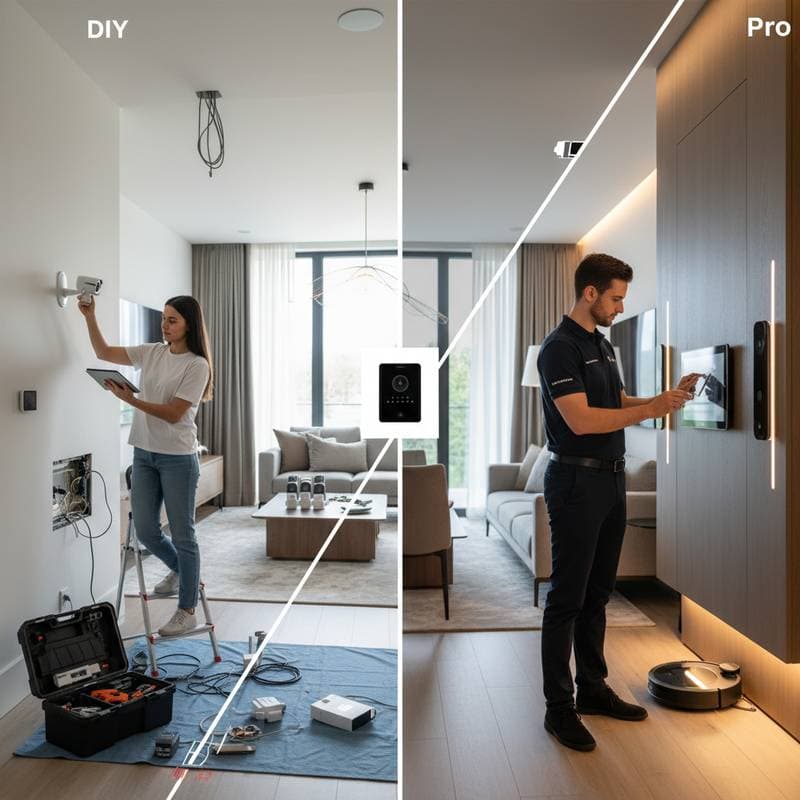
Deciding between DIY and professional smart home installation involves evaluating skills, finances, and objectives. DIY reduces labor fees and builds expertise but may encounter integration challenges. Professionals deliver reliable, secure systems with expert design. A combined strategy often achieves ideal balance in cost, efficiency, and ease.
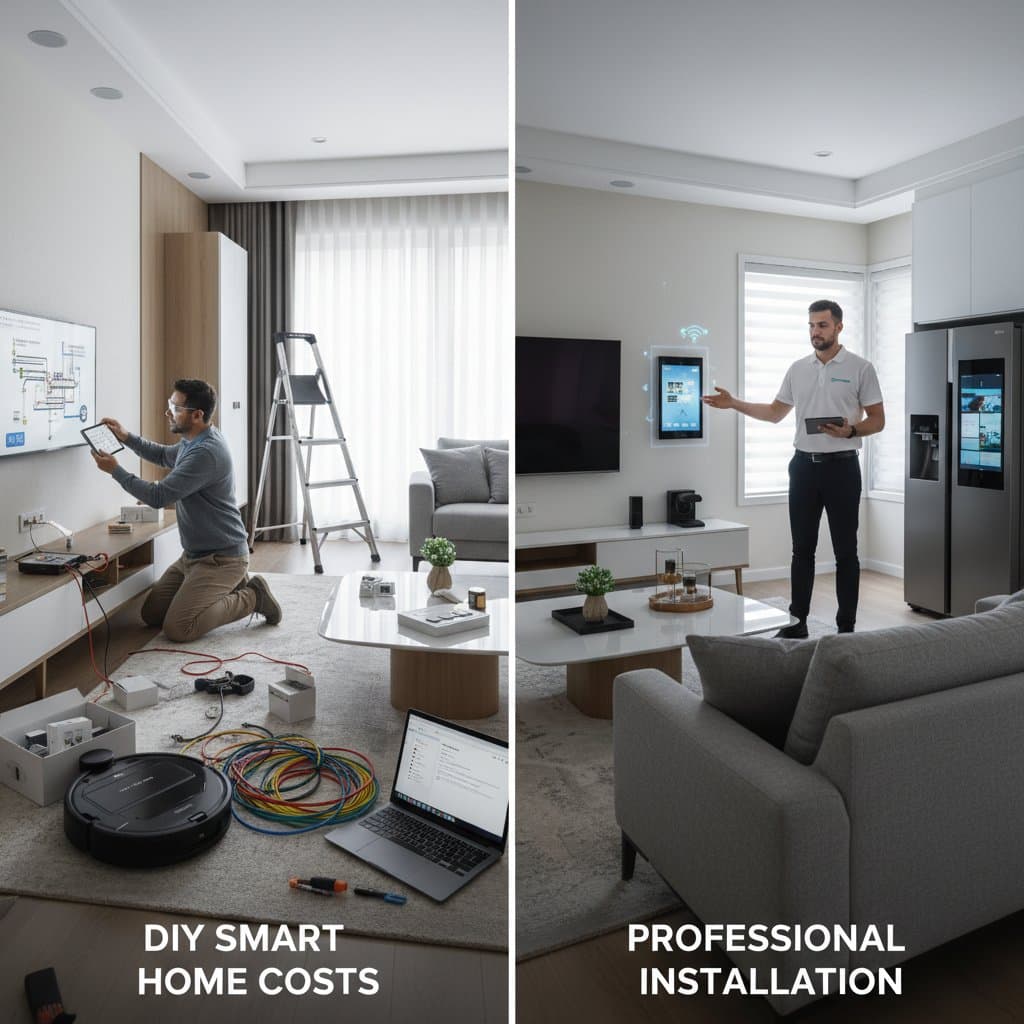
Explore the true costs of DIY versus professional smart home installation. This analysis covers device expenses, labor fees, potential pitfalls, and strategies to balance savings with reliability for an efficient setup.
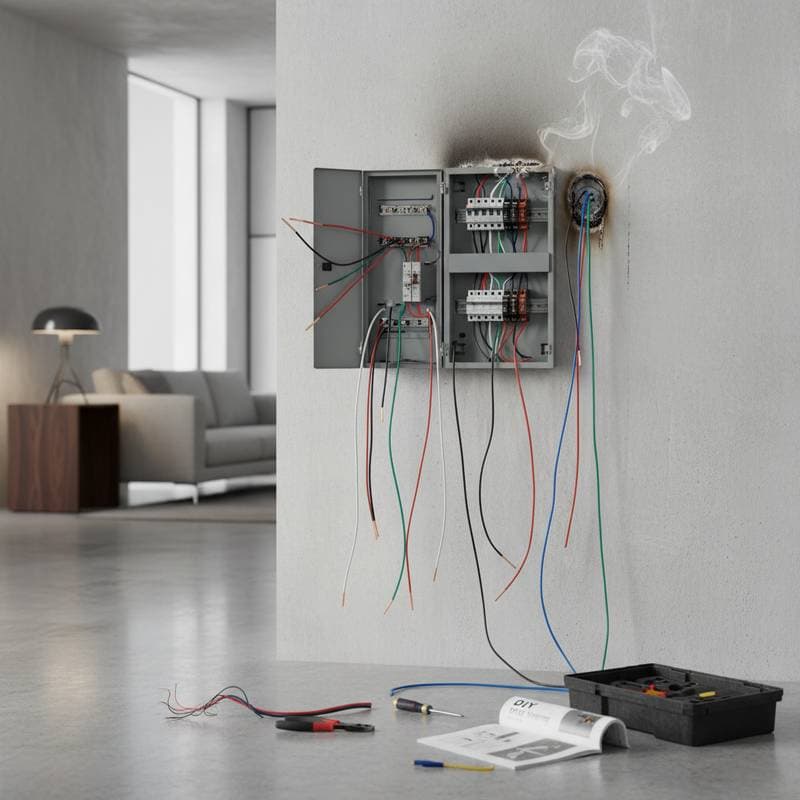
While DIY projects offer appeal, upgrading your electrical panel poses severe risks to safety, property, and finances. Explore common pitfalls and why professionals deliver the secure solution.
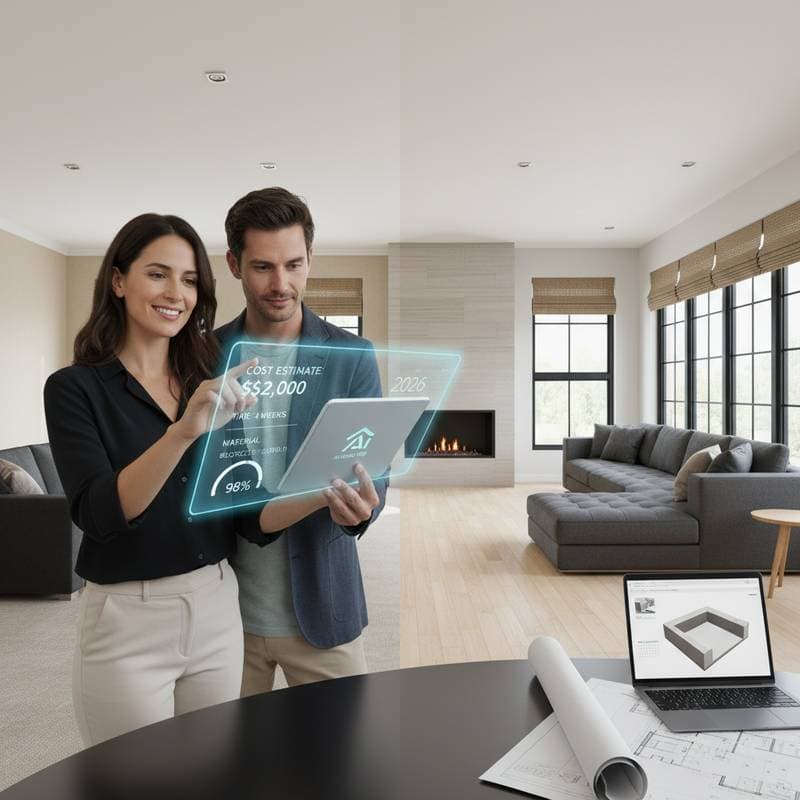
AI remodeling apps redefine home improvement by offering homeowners instant design visualization, precise cost estimates, and effective budget management, features once exclusive to professionals. These tools enable testing of layouts and exploration of sustainable materials, empowering DIY enthusiasts and planners with creativity, affordability, and assurance, while reserving expert input for intricate structural tasks.
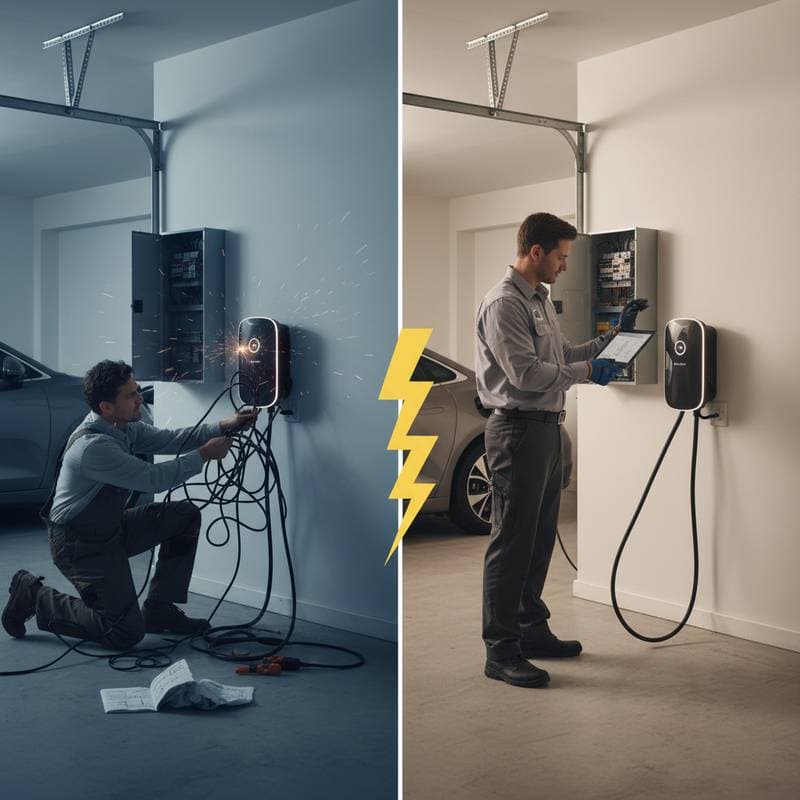
EV charger installation transcends typical DIY tasks, demanding professional expertise for secure wiring, permits, and standards. While initial savings tempt amateurs, certified work ensures dependable performance, warranty protection, and enhanced home value, creating a reliable charging hub.
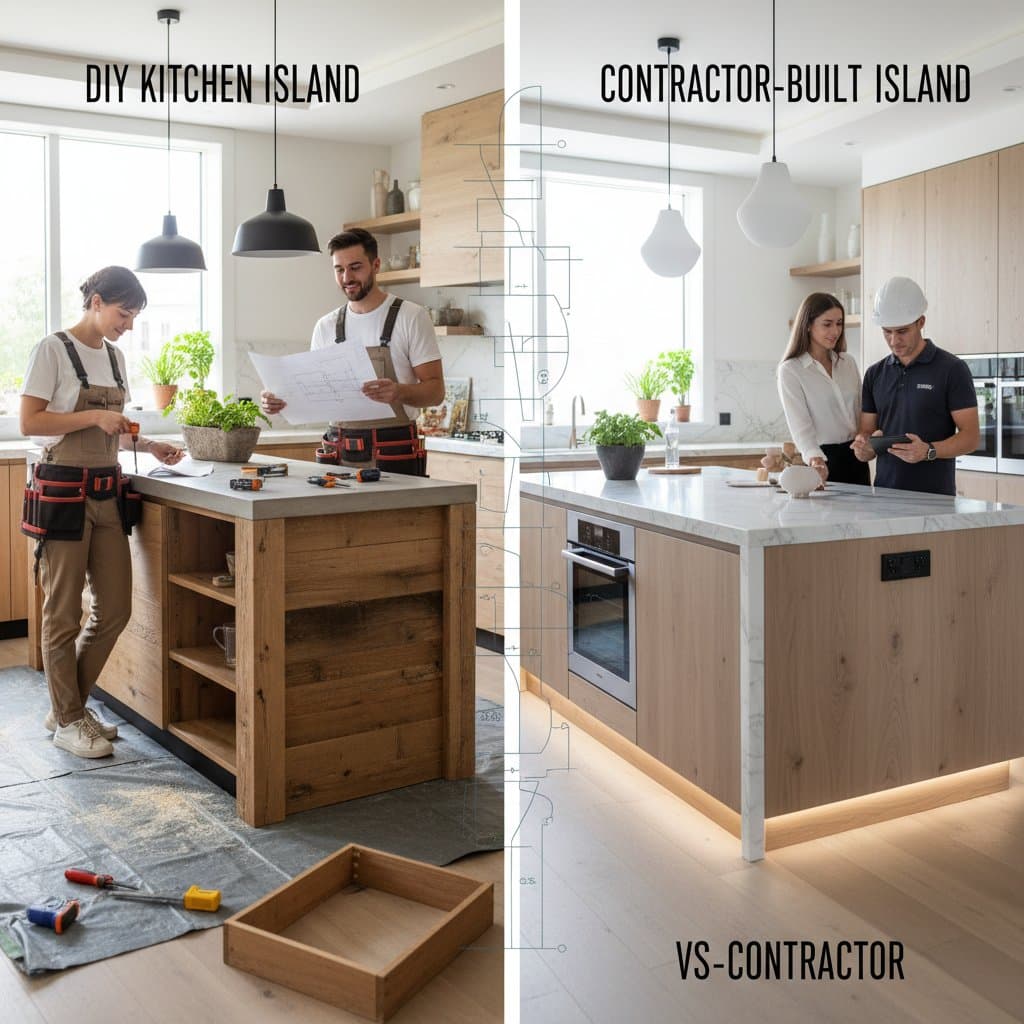
Planning a kitchen island addition in 2026? This comprehensive guide compares DIY and professional approaches, covering expenses, design strategies, required expertise, and key decisions to transform your space effectively.
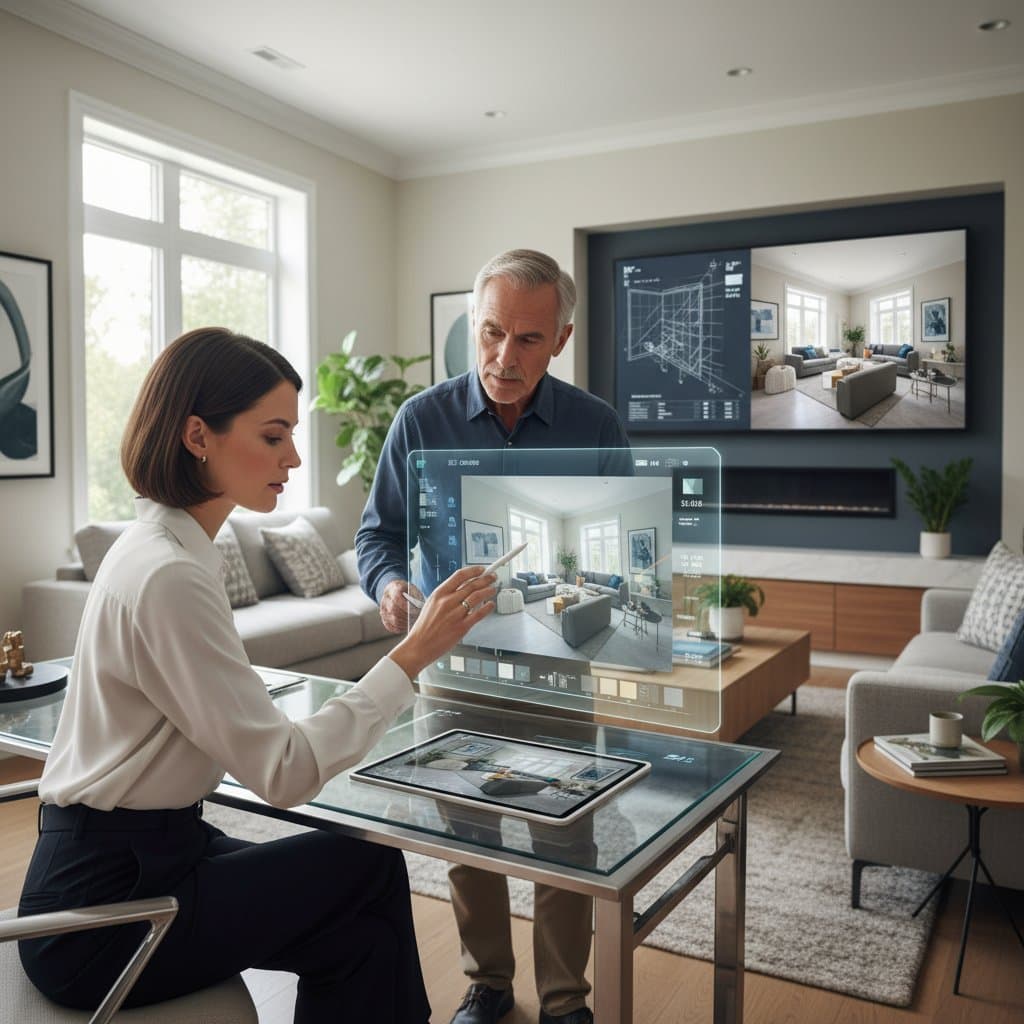
By 2026, home renovations will integrate AI efficiency with human creativity. AI tools produce instant layouts, cost estimates, and visualizations, while designers add emotional depth, spatial flow, and practical adjustments. This hybrid model cuts expenses, minimizes errors, and creates tailored living spaces, where technology supports rather than supplants expert insight.