
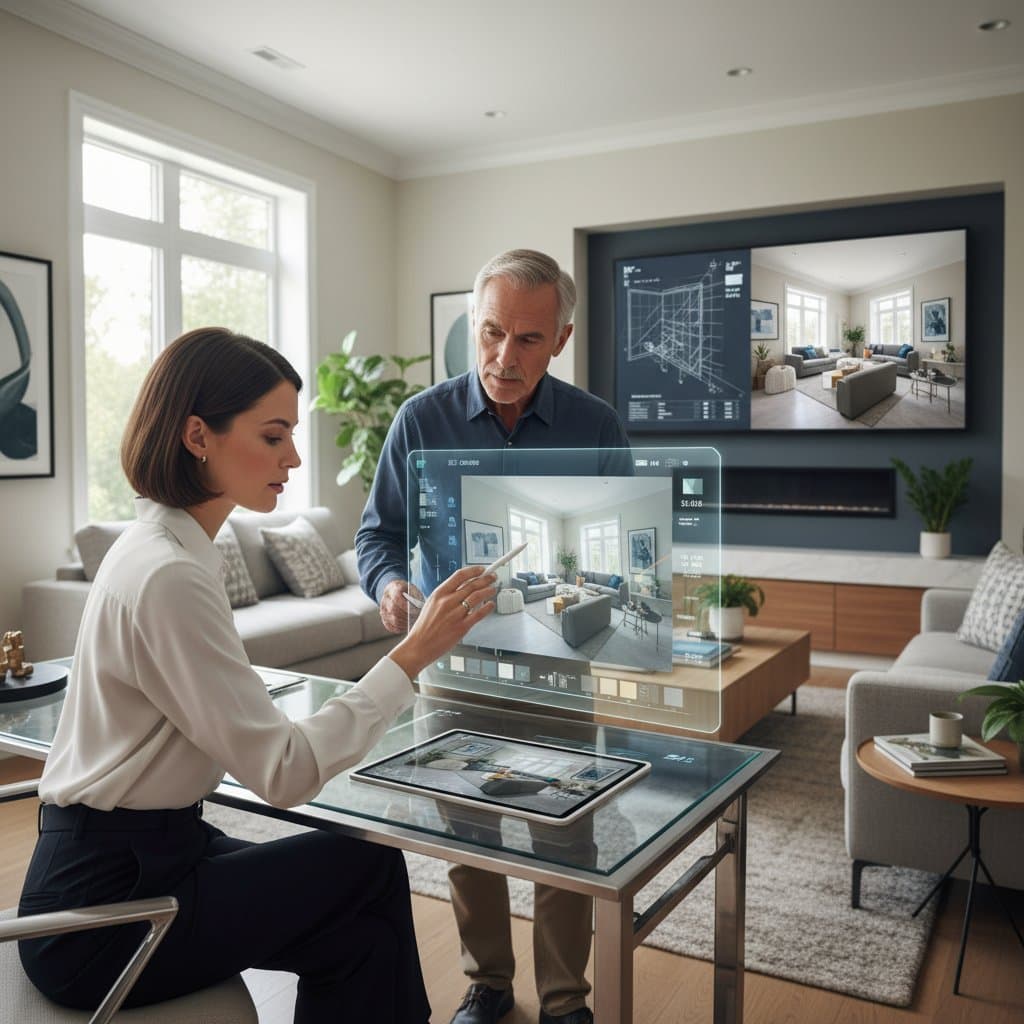
The Rise of AI in Home Renovations
Home renovation projects often begin with high design costs that deter many homeowners. Traditional hiring of architects or interior designers can run into thousands of dollars for initial concepts alone. However, advancements in artificial intelligence promise to change this landscape dramatically. By 2026, AI platforms will enable comprehensive design services for as little as $200, making professional-level renovations accessible to a broader audience.
These tools analyze user inputs such as room dimensions, preferred styles, and budget constraints to generate detailed floor plans, 3D renderings, and material suggestions. What once required weeks of consultations now happens in minutes. This shift does not eliminate the need for human expertise but redefines it, allowing designers to focus on refinement rather than starting from scratch.
Benefits of the AI-Human Hybrid Approach
The true power of AI in renovations lies in its collaboration with skilled professionals. AI excels at data processing and pattern recognition, producing options based on vast databases of successful projects. For instance, it can suggest energy-efficient layouts that comply with building codes or optimize space in small apartments.
Human designers bring irreplaceable elements like understanding a family's daily routines or evoking emotional responses through color and texture choices. Together, they create designs that are both functional and inspiring. Studies within the industry indicate that hybrid projects complete 30 percent faster and stay 20 percent under budget compared to traditional methods.
Cost savings extend beyond design fees. AI reduces material waste by simulating outcomes before purchases, and it flags potential issues early, avoiding expensive rework. Homeowners gain confidence through interactive previews, leading to fewer changes mid-project.
Key Features of Leading AI Design Platforms
Modern AI platforms offer intuitive interfaces that guide users through the design process. Start by uploading photos of your space or entering measurements via simple forms. The system then proposes multiple variations, each with estimated costs broken down by category: fixtures, flooring, and labor.
Visualization tools render photorealistic images, helping users see how natural light affects a kitchen remodel or how furniture fits in a reconfigured living room. Integration with supplier databases ensures accurate pricing, updated in real time. Some platforms even incorporate virtual reality for walkthroughs on mobile devices.
For complex needs, such as structural modifications, AI cross-references local regulations to highlight compliance risks. This proactive approach prevents delays and ensures designs meet safety standards from the outset.
Integrating AI into Your Renovation Workflow
To leverage AI effectively, begin with a clear vision of your goals. Select a platform that matches your project's scale, whether a single room update or a full home overhaul. Input detailed preferences, including lifestyle factors like hosting guests or working from home, to receive relevant suggestions.
Review AI outputs critically. Compare multiple generated plans side by side, noting strengths in each. Share these with a human designer for feedback; they can adjust for nuances like acoustic considerations in open-plan areas or ergonomic placements in home offices.
Contractors benefit similarly by using AI visuals to prepare accurate bids and timelines. This alignment reduces miscommunications and streamlines approvals, keeping the project on track.
Practical Steps for Homeowners and Professionals
For DIY Enthusiasts
- Choose an AI tool with beginner-friendly tutorials to build your skills gradually.
- Experiment with budget sliders to see trade-offs between luxury finishes and affordability.
- Document your iterations to track evolving ideas and avoid redundant efforts.
For Professional Teams
- Incorporate AI into client meetings to accelerate ideation and demonstrate possibilities quickly.
- Train staff on platform specifics to maintain consistency across projects.
- Use analytics from AI sessions to refine future offerings based on popular trends.
These steps ensure AI serves as an enhancer, amplifying expertise without overwhelming the process.
Verification and Quality Checks
Even with AI's precision, verification remains essential. Cross-check generated plans against physical measurements to account for any input errors. Consult local experts to validate structural integrity, especially for load-bearing changes.
These checks prevent the most common pitfalls of tech-driven renovations. Skipping verification can lead to inspection failures or insurance complications later. Always prioritize licensed professionals for final approvals to safeguard your investment.
Making It Happen
If you plan a renovation soon, start by testing an AI design platform to refine your ideas. Use the generated visuals to communicate goals clearly to a designer or contractor. Treat AI as a powerful discovery tool, not a replacement for professional input.
For DIYers, these platforms act as virtual mentors, showing possibilities within your budget and skill level. For professionals, they streamline concept development and client communication. The smartest designers already use AI to expand creative bandwidth rather than reduce it.
Homeowners who embrace this partnership move from inspiration to installation faster, with fewer mistakes and better cost control. The future of renovation is not a contest between humans and machines. The true beneficiary is the homeowner who masters both tools for personalized, efficient transformations.