
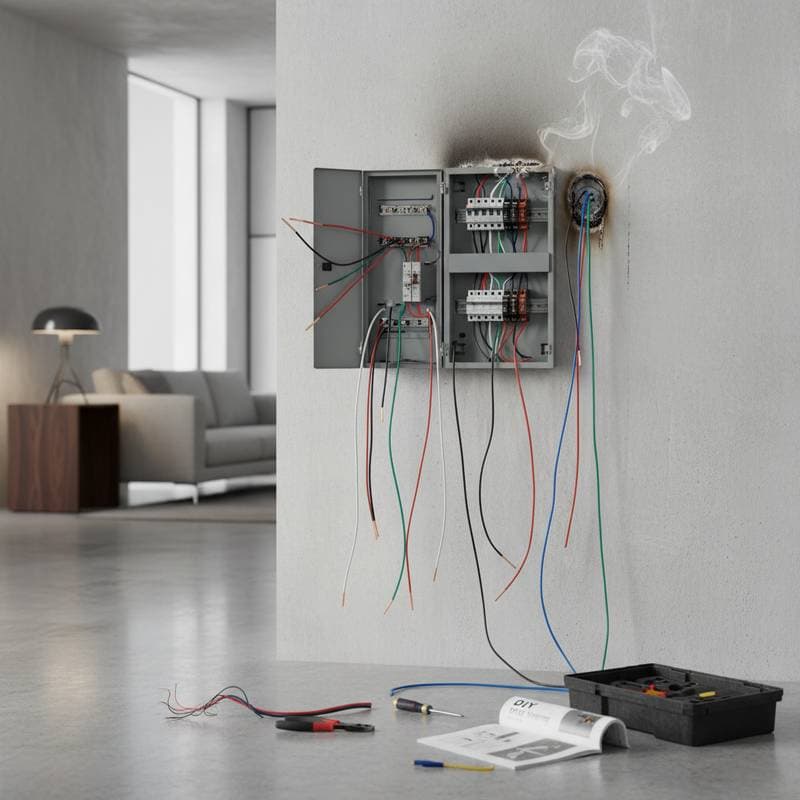
Why DIY Panel Upgrades Risk Your Home and Safety
Many homeowners consider upgrading their electrical panel as a straightforward task. They often succeed with minor repairs, such as fixing a loose outlet or swapping a switch. However, replacing or enhancing an electrical panel demands expertise that exceeds typical DIY skills. Such work involves high voltages and complex systems, where errors can lead to fires, injuries, or structural damage.
The Essential Role of Your Electrical Panel
The electrical panel serves as the central hub for your home's power distribution. It allocates electricity across circuits, balances loads to avoid overloads, and protects against surges by tripping breakers when necessary. Devices like refrigerators or air conditioners rely on this system to operate safely without drawing excessive current.
Upgrading a panel often means boosting its amperage capacity from 100 to 200 amps, installing advanced breakers, or updating the main service entrance cable from the utility provider. These changes require precise calculations to match your home's energy needs. Professionals use tools like multimeters and load analyzers to ensure compatibility and safety.
Hidden Dangers in DIY Electrical Panel Work
Electrical modifications differ from visible home projects because faults remain concealed until they cause problems. A seemingly successful test might overlook a reversed polarity or inadequate insulation, which could ignite over time. High-amperage systems amplify these risks, as even minor imbalances generate intense heat.
Common errors include the following:
- Selecting wires with insufficient gauge for the current load, resulting in rapid overheating and insulation failure.
- Failing to establish proper grounding, which leaves appliances vulnerable to shocks and impairs circuit protection.
- Ignoring load distribution, leading to circuits that surpass rated capacities during peak usage.
- Breaching electrical codes, such as improper breaker spacing or unlabeled panels, which invite regulatory penalties.
To avoid these, always verify wire ratings against the National Electrical Code standards before any handling.
Financial and Practical Consequences of DIY Errors
Initial savings from avoiding professional fees appear attractive. A licensed electrician typically charges between 1,500 and 3,000 dollars for a standard panel upgrade, with additional expenses for service enhancements reaching 4,000 dollars or higher in urban areas. These costs cover permits, materials, and thorough testing.
Yet, a single oversight can escalate expenses dramatically. Repairing fire damage might cost tens of thousands, while insurance providers often deny claims for unlicensed work. Homeowners then face out-of-pocket payments for remediation. During property sales, unpermitted upgrades trigger inspection failures, delaying closings and requiring costly fixes.
Navigating Codes, Permits, and Safety Protocols
Local regulations govern every aspect of panel installations, from mounting heights to arc-fault breaker requirements. Obtaining a permit ensures compliance, followed by an inspection to confirm adherence. Skipping these steps exposes you to fines up to several thousand dollars and potential liability for accidents.
Licensed electricians possess certifications in safety practices and code interpretation. They employ insulated tools, lockout-tagout procedures, and coordination with utility companies to de-energize lines safely. Homeowners lack access to these protocols, increasing the chance of electrocution or service disruptions.
Deciding Between Professional Help and Simple Maintenance
Signs like frequent breaker trips or buzzing noises indicate the need for a panel upgrade. The key decision involves assessing the scope: minor tweaks versus comprehensive overhauls.
Consider DIY only for these limited tasks:
- Swapping an identical breaker type after powering down the system.
- Adding clear labels to circuits for easy identification.
- Resetting tripped breakers while following manufacturer guidelines.
Engage a professional for more involved projects:
- Complete panel replacements or capacity increases.
- Upgrades exceeding 100 amps, including meter base modifications.
- Any alterations to incoming utility connections.
- New circuit installations for demanding loads, such as electric vehicle chargers or subpanels.
Relying on online videos overlooks variables like your home's unique wiring age and layout.
Sustaining Panel Performance Over Time
After a professional installation, proactive care preserves the system's reliability. Maintain at least three feet of clearance around the panel to prevent accidental contact. Inspect for rust, water intrusion, or loose components during annual reviews.
Test ground-fault circuit interrupters monthly by pressing the test button, ensuring they reset properly. For main breakers, simulate overloads under controlled conditions or hire an expert for verification. Addressing issues like dimming lights or unusual warmth prevents escalation.
Steps to Upgrade Your Panel Securely
A modern electrical panel enhances your home's efficiency and accommodates growing power demands. Prioritize safety by consulting licensed electricians early in the planning process. They provide quotes, timelines, and guarantees that align with your budget and code requirements, ensuring long-term peace of mind.