
Uncovering Hidden Costs in 2025 Kitchen Remodels
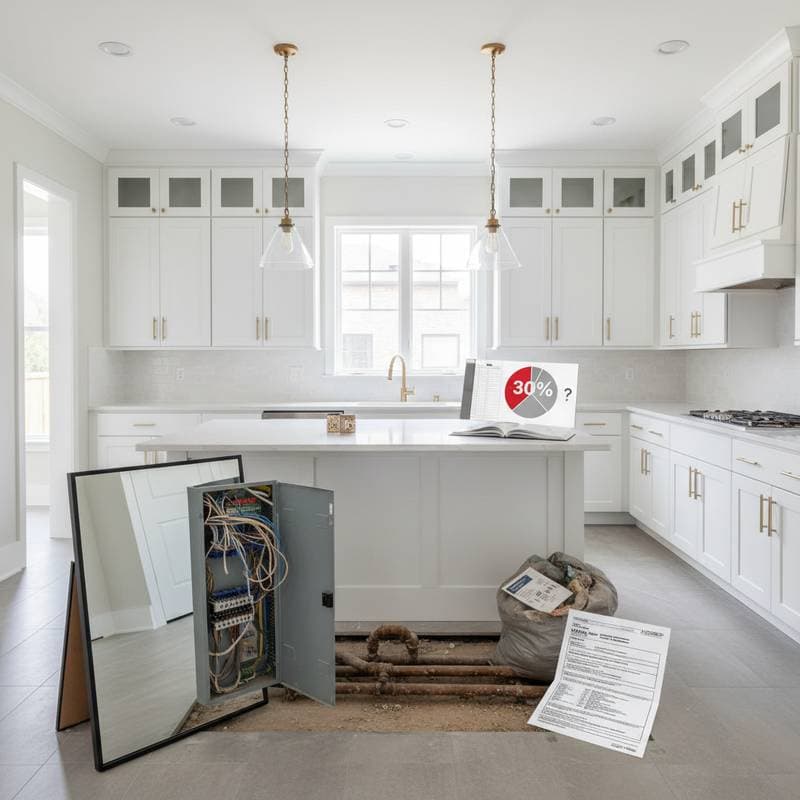
Many individuals approach a kitchen remodel with a well-defined budget, only to encounter escalating expenses midway through the project. Plans typically account for visible elements like cabinets, countertops, and appliances, yet unforeseen costs emerge and transform an exciting upgrade into a budgetary challenge. These hidden expenses, ranging from code compliance updates to waste disposal fees, frequently increase the total by 20 to 30 percent. Awareness of these factors enables better preparation and preserves financial stability.
Decoding the "All-In" Quote
A contractor's initial estimate may appear comprehensive and affordable. However, as construction progresses, additional charges accumulate. Such quotes often encompass only basic installation and materials, excluding structural modifications, plumbing relocations, or electrical enhancements. In homes with aging infrastructure, these discoveries can introduce costs of $2,000 to $5,000. Request a detailed line-item breakdown for every aspect of the work to identify and address potential extras upfront.
Cabinet Expenses Beyond the Basics
Cabinets represent the largest investment in most remodels. Advertised prices for stock options typically range from $100 to $200 per linear foot, but this figure omits installation, hardware, and finishing touches. These additions can effectively double the expense, while custom features like soft-close mechanisms or integrated storage escalate it further. Opt for semi-custom options that combine standard bases with premium facades to achieve a luxurious appearance at a more manageable cost.
Electrical Upgrades Lurking in the Walls
Electrical components frequently reveal substantial unforeseen costs. Structures in older properties may fail to comply with contemporary codes for outlets, circuits, or illumination. Upon exposing the walls, building inspectors could mandate a complete overhaul of the kitchen's electrical system, potentially adding $2,000 to $3,000, particularly if the main panel requires expansion. Allocate a contingency reserve of at least 10 percent of the overall budget to cover such electrical or plumbing revelations, as neglecting them poses significant safety risks.
Unexpected Plumbing Modifications
Plumbing demands can arise even without altering the kitchen's footprint. Shifting a sink by mere feet might necessitate redirecting drain or supply lines through challenging spaces. Upgrading from outdated galvanized pipes extends both timeline and expenditure. Minor adjustments generally cost $500 to $1,500, with additions like a secondary sink or pot filler increasing the figure. Prior to demolition, direct the contractor to examine areas behind cabinets and beneath sinks for vulnerabilities in the current setup.
Navigating Permits, Inspections, and Regulations
Homeowners often overlook fees associated with permits and inspections, which fluctuate based on location and project scale. In certain areas, full kitchen remodel permits may total several thousand dollars to facilitate safety evaluations, regulatory adherence, and final approvals. Bypassing these steps offers temporary savings but complicates future property sales. Consult the local building authority to confirm required permits, and ensure a trusted contractor incorporates them into the proposal—verify this detail before committing.
Managing Debris Disposal and Cleanup
Demolition generates substantial waste that requires proper handling. Contracts may not explicitly cover cleanup, leading to separate charges for removal. Renting a dumpster incurs hundreds of dollars, with fees scaled to material volume; even modest projects yield tons of debris. Reduce expenses by organizing independent haul-away or contributing salvageable items to community reuse programs, which demands some effort but conserves funds and minimizes environmental impact.
Countertop Pricing and Fabrication Details
Countertops appear straightforward, yet numerous variables influence their final cost. Quoted rates per square foot seldom account for sink cutouts, edge profiling, or stone sealing. Designs featuring expansive islands or cascading edges substantially elevate fabrication demands. Mid-range options like quartz or solid surfaces necessitate expert templating, incurring additional labor. Installed pricing for these materials typically spans $60 to $100 per square foot—secure a comprehensive quote covering all production elements, not merely the raw material.
Appliance Integration and Utility Adjustments
Acquiring a new oven or refrigerator seems simple, but advanced units often require specialized electrical circuits, enhanced outlets, or gas extensions. Integrated appliances may demand tailored cabinet modifications or exhaust configurations. Each adaptation contributes to the tally. To prevent disruptions, provide the contractor with a complete appliance inventory at the outset, allowing verification of utility placements and capacities to avert expensive revisions.
Handling Mid-Project Design Shifts
Disciplined planning rarely eliminates all urges for adjustments. Encountering an appealing backsplash midway might prompt a pivot, incurring administrative overhead, fresh supplies, and potential schedule extensions. A single week's delay translates to notable labor costs under daily billing. Incorporate adaptability during initial design phases and adhere to selections post-commencement; reserve updates for non-structural elements like decor to safeguard the budget.
Accounting for Living Expenses During Disruption
With the kitchen unavailable for weeks, reliance on external meals or makeshift setups becomes necessary. These incremental outlays, such as frequent takeout, accumulate subtly. Families report hundreds of dollars in added food costs. Establish a provisional cooking zone using a microwave, countertop oven, and compact refrigerator to mitigate spending and maintain routine amid the transformation.
Strategies for a Budget-Conscious Remodel
- Establish a contingency allocation of 15 percent or more of the total budget, as utilization proves inevitable.
- Solicit bids from multiple contractors, each featuring itemized details for straightforward comparisons.
- Inquire pointedly about plumbing, electrical, and disposal elements, the primary origins of unanticipated charges.
- Finalize the layout meticulously prior to starting demolition to minimize midstream alterations.
- Arrange inspections promptly to circumvent delays that inflate labor expenses.
Safeguarding Your Remodel Investment
A successful kitchen remodel demands foresight into concealed costs and proactive measures to address them. By integrating detailed estimates, contingency planning, and early inspections, homeowners secure a project that enhances their home without financial strain. This approach not only delivers a functional space but also ensures long-term value and satisfaction.