
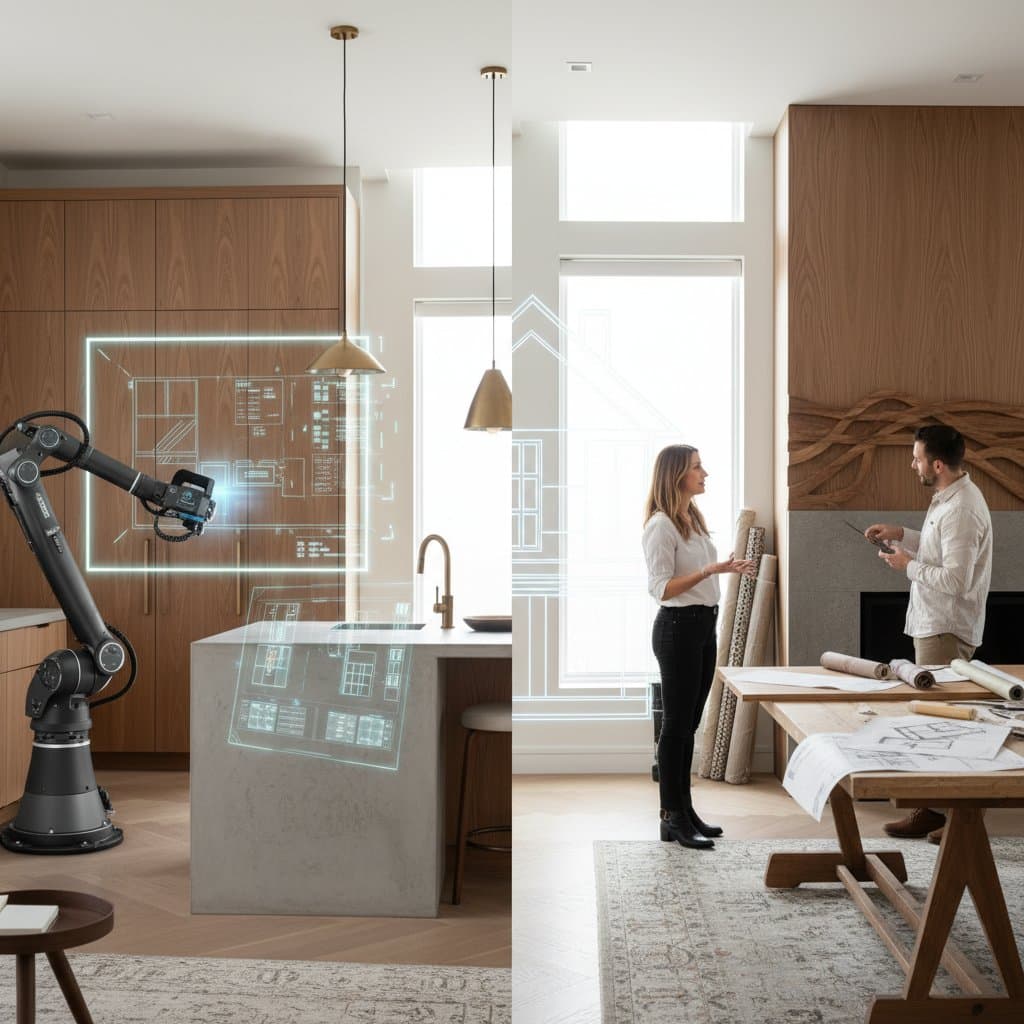
Introduction to AI's Role in Home Remodeling
Artificial intelligence introduces powerful tools that streamline the remodeling process. Software applications generate virtual models of spaces, predict material needs, and optimize layouts for energy efficiency. These advancements save time and reduce errors in initial planning stages.
Despite these benefits, AI falls short in capturing the nuances of real homes. Physical structures often reveal surprises like hidden plumbing or uneven floors that digital simulations overlook. Human professionals excel in adapting to such variables on the ground.
This article examines key areas where human expertise proves indispensable. Readers gain insights into balancing technology with skilled labor for superior outcomes.
1. Initial Site Assessment and Planning
Every remodeling project begins with a thorough evaluation of the existing space. AI tools offer preliminary scans using photographs or 3D models to identify potential issues. Professionals, however, conduct hands-on inspections to detect subtle problems such as cracks in walls or signs of water intrusion.
Experienced contractors interpret these findings in context. They consider the home's age, local climate, and usage patterns to recommend durable solutions. This level of judgment ensures plans align with practical realities rather than theoretical ideals.
Cost Range: Basic site assessments typically range from $300 to $1,000, depending on the home's size and complexity.
2. Custom Material Selection and Sourcing
Selecting materials involves more than matching specifications; it requires understanding texture, durability, and aesthetic harmony. AI databases suggest options based on algorithms, but they ignore tactile qualities like the warmth of wood grains or the resilience of specific tiles under foot traffic.
Skilled tradespeople draw from years of experience to source high-quality items. They negotiate with suppliers, verify authenticity, and account for regional availability. This expertise prevents costly substitutions that compromise the final result.
Cost Range: Material sourcing fees often fall between $500 and $2,500, influenced by project scope and specialty items.
3. Electrical and Plumbing Integration
Integrating new electrical systems or plumbing lines demands precision to avoid hazards. AI can diagram routes and calculate loads, yet it cannot account for existing infrastructure buried within walls. Electricians and plumbers use specialized tools to trace and test these elements safely.
Human oversight prevents disruptions like power outages or leaks during installation. Professionals also ensure compliance with evolving codes, adapting methods as needed. Their foresight minimizes rework and enhances long-term functionality.
Cost Range: Electrical or plumbing integrations start at $1,500 and may reach $10,000 for extensive updates.
4. Structural Modifications
Removing load-bearing walls or reinforcing foundations requires on-site evaluation. While AI models stress factors through simulations, only a structural engineer or experienced contractor assesses real-world variables like moisture damage, soil settlement, or prior alterations.
These experts employ physical tests, such as load calculations and material sampling, to guarantee stability. Their decisions protect the home's integrity and residents' safety. Neglecting this step risks collapse or uneven settling over time.
Cost Range: Structural adjustments often begin around $2,000 and can exceed $20,000 based on the reinforcement scale.
5. Design Cohesion and Emotional Flow
Human touch proves irreplaceable in achieving design cohesion and emotional flow. AI suggests color palettes and furniture arrangements, but it lacks comprehension of how a space evokes feelings upon entry. Designers evaluate emotional responses, cultural influences, and personal histories to tailor environments.
They interpret lifestyle needs to create functional yet inspiring areas. This intuitive process fosters spaces that enhance daily living rather than merely appearing efficient. The result integrates beauty with practicality in ways algorithms cannot foresee.
The Risks of Excessive Automation
Overreliance on automation carries significant drawbacks. Homeowners who generate plans solely through AI may encounter hidden wiring or piping that software fails to anticipate. Such oversights lead to delays, increased expenses, and structural compromises.
Additionally, fully automated designs often yield impersonal environments devoid of character. Spaces feel cold and uniform without the warmth infused by human creativity. A hybrid strategy leverages AI for data analysis while depending on professionals for nuanced execution.
View AI as a capable assistant rather than the primary architect. It processes information efficiently, but requires guidance from creative minds and skilled hands to realize visions effectively.
Indicators for Professional Involvement
Certain projects demand professional intervention without exception. Structural alterations, plumbing relocations, or electrical overhauls necessitate licensed experts to ensure safety and code adherence. Attempting these independently invites legal issues and health risks.
For simpler tasks, such as painting walls or mounting fixtures, capable homeowners manage effectively with basic tools. These updates enhance appearance without delving into complex systems.
In uncertain situations, schedule a consultation promptly. Many contractors incorporate AI tools to visualize concepts with clients. This method merges digital speed with expert validation for confident progress.
Prioritizing Safety in Remodeling
Automation enhances accuracy in measurements and designs, yet it substitutes neither for informed judgment nor vigilance. Verify all work against local building codes and safety standards to prevent accidents. Equip yourself with protective gear, maintain adequate ventilation, and isolate power before electrical tasks.
Safety empowers informed decision-making and averts expensive errors. Professionals routinely incorporate these protocols, modeling best practices for DIY efforts. Adhering to them transforms potential pitfalls into seamless achievements.
Strategies for Integrating AI and Human Expertise
-
Initiate with AI Visualization: Employ online platforms to test layouts, colors, and virtual walkthroughs.
-
Seek Professional Review: Present digital concepts to contractors or designers for practical assessments.
-
Incorporate Expert Adjustments: Modify selections for materials, dimensions, and illumination per specialist recommendations.
-
Delegate Logistics to Automation: Utilize AI for monitoring budgets, timelines, and inventory.
-
Depend on Skilled Execution: Entrust detailed finishes to qualified artisans for superior quality.
This collaborative framework conserves resources, minimizes inefficiencies, and delivers results that match digital previews in tangible form.
Embracing Balanced Remodeling Outcomes
Upon completion, observe how equilibrium yields exceptional spaces. AI accelerates planning and controls costs, while human artistry imparts distinctive personality and comfort.
Retain AI applications for ongoing tasks like maintenance alerts or efficiency monitoring. For choices influencing ambiance, rely on personal intuition alongside the reliable proficiency of experts. They construct with meticulous care and genuine passion.
Homes merit the fusion of technological savvy and human essence. Through thoughtful integration of tools and talent, craft environments that embody individual style and welcome innovative progress.