
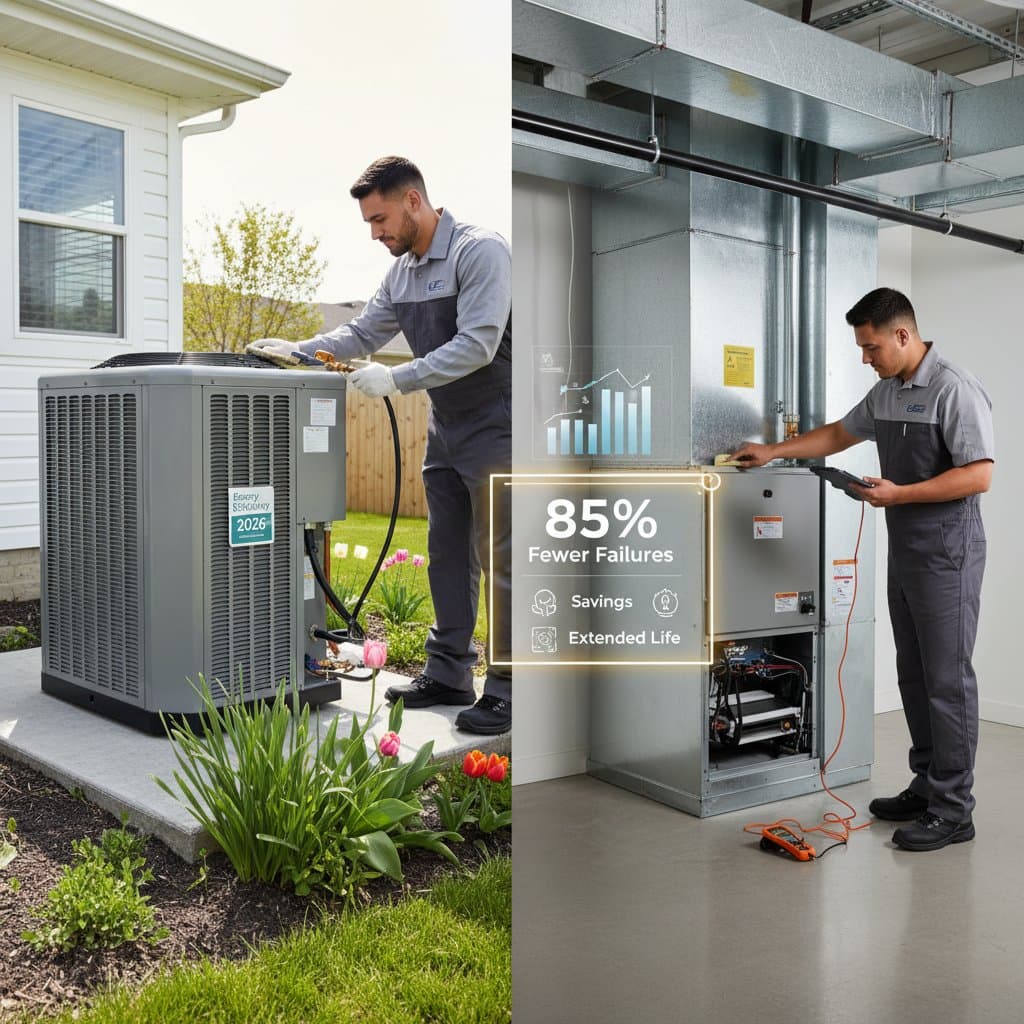
Spring HVAC Checks Prevent 85% of System Failures
Spring marks the transition from winter chill to summer warmth, making it the perfect time for HVAC maintenance. Homeowners who perform these checks reduce the risk of system failures by 85 percent, according to industry data. This proactive approach ensures reliable performance, lower energy bills, and a healthier indoor environment throughout the year.
Early detection of issues prevents minor problems from escalating into expensive emergencies. Systems left unchecked often suffer from accumulated dirt, worn components, or refrigerant leaks that compromise efficiency. By addressing these during spring, individuals maintain optimal operation and avoid the discomfort of breakdowns during peak seasons.
Why Spring Maintenance Matters for Your HVAC System
HVAC systems endure heavy use during winter heating and summer cooling cycles. Spring provides a lull in demand, allowing technicians or homeowners to inspect and clean without disrupting daily routines. This timing aligns with manufacturer recommendations for annual tune-ups, which extend equipment lifespan by up to 15 years.
Neglecting maintenance leads to reduced airflow, higher energy consumption, and poor air quality. Dust and debris buildup strains the blower motor and coils, forcing the system to work harder. Regular checks identify these inefficiencies early, restoring peak performance and safeguarding against unexpected repair costs that average over $1,000 for major issues.
Environmental factors also play a role. Pollen, outdoor pollutants, and winter residue infiltrate ducts and filters during off-seasons. A thorough spring inspection removes these contaminants, improving indoor air circulation and reducing allergy triggers for household members.
Essential Components to Inspect
Focus on key areas during your spring HVAC evaluation to ensure comprehensive coverage. Begin with the thermostat, filters, and coils, then move to ducts, drains, and electrical connections. This systematic review uncovers hidden wear and optimizes system balance.
Thermostat Calibration
Verify that the thermostat accurately reflects room temperatures. Inaccurate readings cause the system to cycle improperly, leading to uneven heating or cooling. Calibrate digital models by comparing them to a trusted thermometer and adjust settings for energy-saving schedules.
Air Filters and Coils
Replace or clean air filters every one to three months, depending on usage. Clogged filters restrict airflow and diminish efficiency by up to 15 percent. Inspect evaporator and condenser coils for dirt accumulation; gently clean them with approved solutions to enhance heat transfer.
Ductwork and Drainage
Examine ducts for leaks, which waste up to 30 percent of conditioned air. Seal any gaps with mastic or foil tape to improve distribution. Clear condensate drains to prevent water backups that foster mold growth and system corrosion.
Electrical and Refrigerant Levels
Check wiring for fraying or loose connections that pose fire hazards. Professional assessment of refrigerant levels ensures compliance with safety standards and prevents compressor damage. Low refrigerant often signals leaks, requiring prompt repair to avoid further efficiency losses.
DIY Checklist for Homeowners
Homeowners can handle basic tasks with simple tools and safety precautions. Follow this step-by-step guide to perform a self-guided inspection. Always turn off power to the unit before starting work.
-
Inspect the outdoor unit: Clear debris, leaves, and vegetation from around the condenser. Ensure at least two feet of clearance for proper airflow.
-
Test the blower fan: Listen for unusual noises during operation. Lubricate moving parts if accessible, following manufacturer guidelines.
-
Examine belts and motors: Look for cracks, wear, or slippage in drive belts. Tighten or replace as needed to maintain smooth operation.
-
Flush the drain line: Use a wet-dry vacuum to remove clogs from the condensate line. Add vinegar periodically to inhibit bacterial growth.
-
Schedule professional service: For complex diagnostics, contact a certified technician. Annual professional tune-ups include pressure testing and calibration beyond DIY reach.
This checklist empowers individuals to address common issues independently while recognizing limits. Combining DIY efforts with expert input maximizes system reliability.
Benefits of Proactive HVAC Care
Investing time in spring checks yields tangible returns. Energy efficiency improves by 10 to 20 percent, translating to hundreds of dollars in annual savings on utility bills. Cleaner systems also enhance air quality, reducing respiratory irritants and promoting family well-being.
Long-term reliability stands out as a primary advantage. Well-maintained units operate quietly and consistently, minimizing disruptions. Homeowners avoid the stress of mid-summer failures, which often require emergency service at premium rates.
Sustainability plays an increasing role in HVAC decisions. Efficient systems lower carbon footprints by optimizing energy use. This aligns with broader goals of resource conservation and cost management in modern households.
Steps to Schedule Your Tune-Up
Begin by reviewing your system's age and usage history. Units over 10 years old benefit most from detailed inspections. Contact local HVAC professionals for quotes, emphasizing spring availability to secure lower rates.
Document findings from your DIY checks to inform technicians. This collaboration streamlines the process and ensures all concerns receive attention. Post-maintenance, monitor performance for the first few weeks to confirm improvements.
Maintain Year-Round Comfort and Savings
Spring HVAC checks form the foundation of ongoing system health. By integrating these practices, homeowners secure uninterrupted comfort and financial benefits. Consistent care transforms potential liabilities into assets, supporting a resilient home environment for seasons to come.