
When DIY Smart Wiring Sparks Liability Nightmares
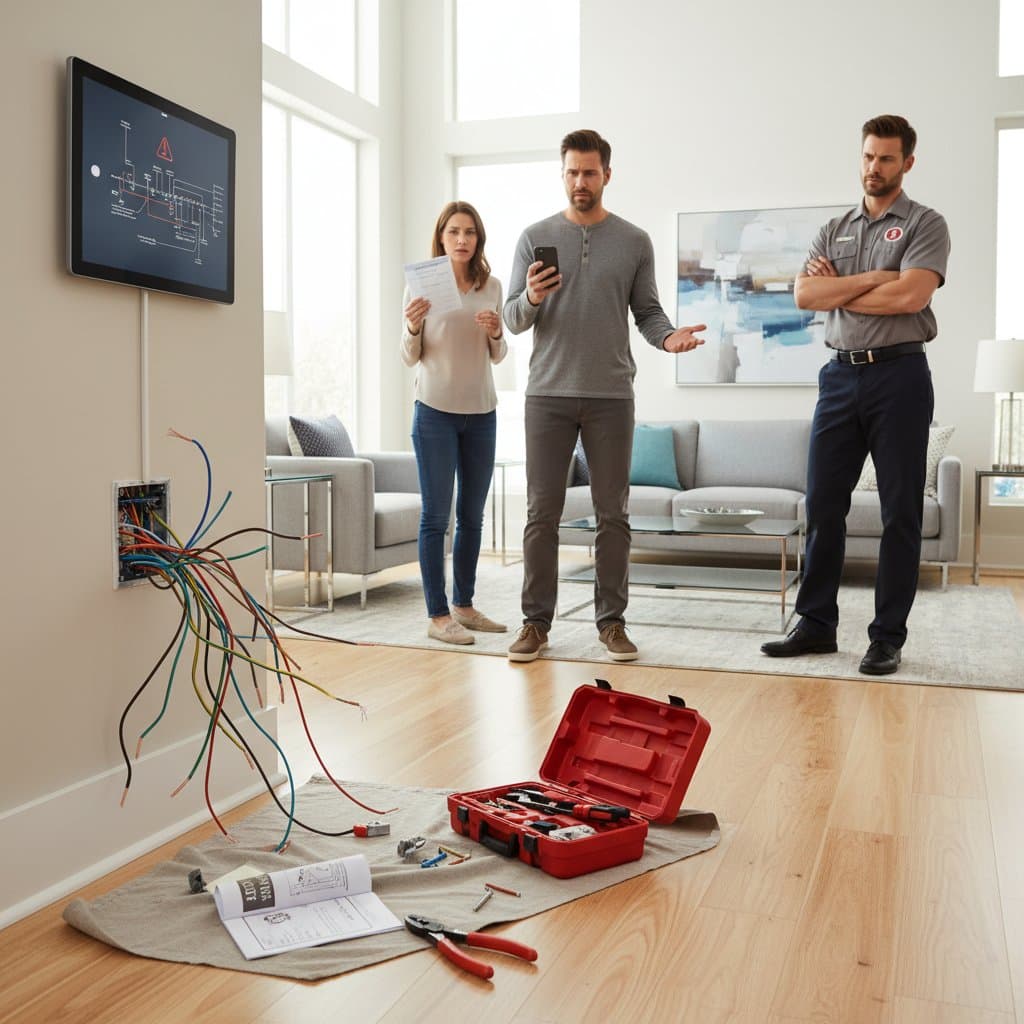
The moment the lights flickered in Jason's newly renovated living room, he felt a mix of pride and unease. He had spent a weekend installing smart switches, voice-controlled dimmers, and a sleek hub that promised seamless automation. Everything seemed perfect until a faint smell of ozone filled the air. That single miswired neutral line, hidden behind the glossy faceplate, would soon cost more than his entire smart home setup. The real shock came not from the wiring, but from the insurance adjuster's verdict: his claim was denied because the electrical work had not been performed by a licensed professional.
Stories like Jason's have become increasingly common as homeowners dive into the world of smart home upgrades. The temptation is understandable. Smart lighting, connected thermostats, and intelligent security systems offer real convenience and energy savings. Yet when wiring enters the equation, the line between DIY success and legal liability becomes razor thin.
The Hidden Complexity of Simple Smart Wiring
Smart devices often look deceptively simple. Manufacturers market plug-and-play systems, suggesting anyone can handle installation with a screwdriver and a smartphone. While some devices truly are low-voltage and safe for DIY installation, others integrate directly into a home's electrical system. That is where things get risky.
In most regions, building codes require that any wiring connected to the main circuit panel be performed by a licensed electrician. Even small mistakes can lead to short circuits, fire hazards, or code violations that void insurance coverage. A loose wire or misidentified neutral can cause intermittent faults that might take months to reveal themselves, often through flickering lights or unexplained tripped breakers.
The challenge is that smart wiring often blurs traditional boundaries. Devices may require both line voltage and low-voltage data connections. Mixing these without proper separation can create dangerous interference or even electric shock risks. A DIY installer might not realize that the neutral wire on an old switch loop is actually a hot return carrying current back from another fixture. These subtle details are second nature to electricians but easy for a homeowner to overlook.
The True Cost of DIY Smart Electrical Projects
At first glance, skipping professional labor seems like an easy way to save money. Hiring a licensed electrician might cost between $85 and $150 per hour, and a full smart lighting installation could total $600 to $1,200 depending on the home's layout. Doing it yourself might appear to cut that cost in half. Yet the financial picture changes dramatically when something goes wrong.
If a fire or electrical fault can be traced to unlicensed work, home insurance providers may deny claims entirely. That can leave the homeowner responsible for repair costs and potential legal liability if damage extends to neighboring units or shared property. Even if no fire occurs, a home inspection during resale could reveal non-compliant wiring. Correcting those issues later often costs more than the original installation would have.
Smart wiring errors can also void the product warranties of connected devices. Manufacturers routinely state that their systems must be installed according to code, and any modification to the electrical system outside those parameters releases them from liability. A single miswired hub can fry multiple devices, turning an affordable project into a costly replacement cycle.
Safety and Code Requirements Every Homeowner Should Know
Before attempting any smart wiring, it is essential to understand what work is considered legally restricted. Most building codes classify any connection to a home's main electrical system as requiring a licensed professional. This includes adding new switches, outlets, or junction boxes. Low-voltage tasks, such as connecting data cables or installing battery-powered sensors, usually fall within DIY territory, but even these must be properly isolated from high-voltage sources.
Every region has its own electrical code enforcement, and inspections are often mandatory when new wiring is introduced. Skipping those inspections may not only void insurance but can also create serious safety risks for future occupants. If you ever sell the property, unpermitted electrical work can delay or derail the sale entirely.
Another overlooked factor is grounding. Smart home devices often introduce new metallic connections through wall plates, hubs, or control boxes. If grounding is improperly managed, these components can become live under fault conditions. Ground-fault circuit interrupters and arc-fault circuit interrupters are designed to protect against such failures, but only if correctly installed.
Deciding When to Call a Professional
A practical rule of thumb is this: if your project involves any wire that connects directly to your breaker panel, hire an electrician. That includes adding smart switches, dimmers, or outlets that control line voltage. For tasks like installing Wi-Fi-enabled bulbs, smart plugs, or battery-operated sensors, DIY installation is usually safe and legal.
Some hybrid projects fall in the middle. For example, running new conduit for low-voltage wiring, such as Ethernet or control cables, is often fine for DIY work as long as it remains isolated from electrical lines. But connecting those lines to power supplies or junction boxes should always be left to a licensed professional.
When hiring help, verify that the electrician is familiar with smart home systems. Not all electricians have experience integrating automation platforms, and compatibility between devices can be a challenge. Ask whether they can recommend surge protection and power management solutions. These not only extend the life of your devices but also protect against the voltage irregularities that often cause smart hubs to fail.
The Insurance and Liability Landscape
Most homeowners assume that insurance automatically covers electrical fires or failures. Yet coverage can vanish if the cause is traced to unlicensed work. Insurers typically investigate electrical claims thoroughly, and if they find evidence of non-compliant installations, they can deny payment. Even worse, if someone is injured as a result of faulty wiring, the homeowner could face personal liability claims.
Some insurance providers now offer smart home discounts for professionally installed systems, recognizing the added safety and monitoring benefits. These discounts can offset part of the installation cost, effectively rewarding homeowners who choose licensed work. It is wise to check with your insurer before starting any project to confirm what documentation is needed for coverage.
Keep all receipts, permits, and inspection results. These documents serve as proof that the work meets code requirements. If a device fails or a fault occurs, this paper trail can make the difference between a covered claim and a financial disaster.
Sustainable Choices and Long-Term Value
Smart wiring can support more than convenience. When properly designed, it can reduce energy waste, extend appliance life, and improve household safety. Automated lighting and HVAC systems can cut utility bills significantly, but only if the underlying wiring is stable and efficient. Poor connections or voltage drops can negate those benefits and create constant troubleshooting headaches.
A sustainable approach begins with quality materials and skilled installation. Use copper wiring rated for the correct amperage, install junction boxes that allow adequate ventilation, and label circuits clearly for future maintenance. Integrating surge protection and whole-house power monitoring further safeguards your investment.
Choosing to work with professionals does not diminish the DIY spirit. Instead, it channels it toward collaboration. Homeowners can handle planning, device selection, and system programming while electricians manage the dangerous and regulated aspects. This partnership often results in a safer, more reliable system that supports future upgrades without rewiring.
Pro Tips for Success
- Plan your system before purchasing devices. Map out which circuits control each area and identify where smart switches or hubs will connect.
- Budget realistically. Expect to spend between $800 and $1,500 for a small home's professionally installed smart lighting setup. The peace of mind is worth the investment.
- Verify permits early. Local building departments can clarify which parts of your project require inspection and which can be DIY.
- Use modular devices. Some smart systems offer plug-in options that avoid direct electrical connections altogether.
- Prioritize safety gear. If you perform any low-voltage work, use insulated tools and a voltage tester before touching any wire.
- Document everything. Keep photos, diagrams, and receipts. This record helps future electricians and protects you in case of disputes or insurance claims.
Protecting and Extending Your Smart Home Setup
Regular maintenance ensures your smart wiring remains reliable over time. Schedule annual inspections with a licensed electrician to check for loose connections, corrosion, or code updates. Test all devices monthly, including surge protectors and circuit interrupters, to catch issues early.
Update firmware on hubs and controllers promptly to maintain security and compatibility. Clean dust from junction boxes and vents to prevent overheating. These steps preserve functionality, avoid unexpected failures, and keep your insurance coverage intact.
By prioritizing professional involvement where needed, you build a smart home that enhances daily life without hidden risks. This balanced approach delivers lasting value through safety, efficiency, and peace of mind.