
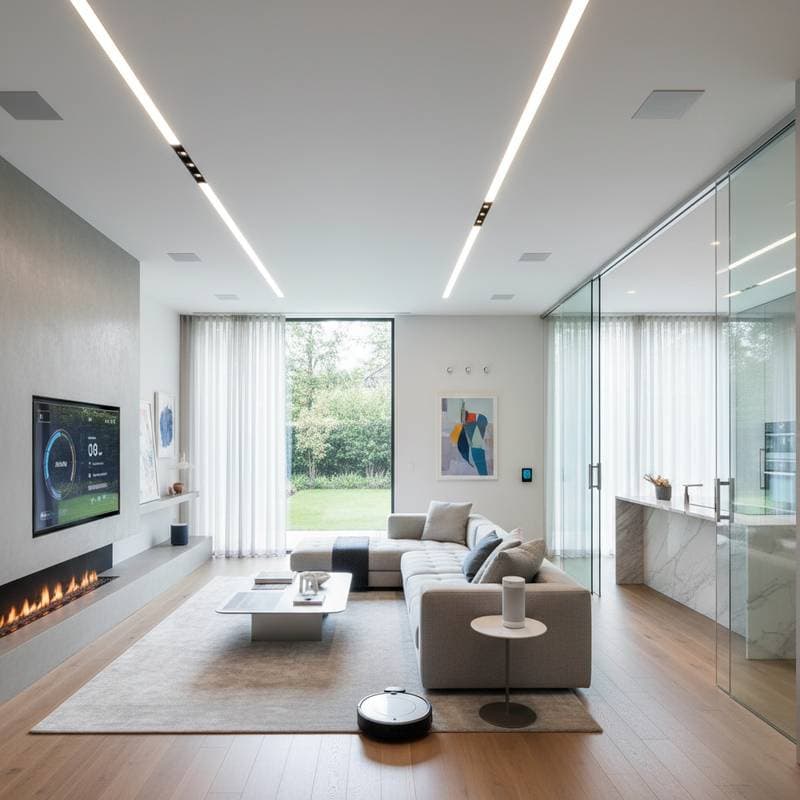
Future-Proof Renovations: Smart Tech for 2026 Homes
Homes today function as interconnected ecosystems that enhance comfort, efficiency, and value. When planning a renovation, integrate smart technology from the outset to avoid future disruptions. This approach prepares your space for emerging innovations while delivering immediate benefits.
Key Principles for Smart Integration
- Prioritize systems that enhance resale value and energy savings.
- Allocate budget for infrastructure to minimize retrofit expenses.
- Select products emphasizing safety, privacy, and interoperability.
- Design with adaptability to accommodate technological advancements.
Benefits of Smart Renovations
Smart features have evolved from optional extras to essential components of contemporary living. Automated lighting adjusts to occupancy, while intelligent irrigation conserves water and maintains landscapes. These upgrades lower utility expenses and elevate everyday experiences.
Integration during renovation safeguards long-term investments. Installing wiring for devices when walls remain open reduces costs compared to later modifications. Energy-efficient appliances and robust networks position your home to integrate new technologies seamlessly.
Developing a Renovation Plan
Establish objectives before selecting equipment. Consider reductions in energy consumption, strengthened security, or streamlined routines. With goals defined, focus on systems offering quantifiable outcomes.
Essential categories for smart renovations include:
- Energy Management: Install smart thermostats that learn usage patterns, solar-compatible panels for renewable integration, and HVAC controls that optimize airflow based on occupancy.
- Lighting Automation: Deploy LED fixtures with motion detection and remote access via dedicated apps to balance illumination and power usage.
- Security and Access: Incorporate biometric locks, high-resolution cameras with night vision, and interconnected alarms for comprehensive monitoring.
- Appliance Synchronization: Equip kitchens with ovens that preheat remotely and washers that notify completion through mobile alerts, aiding in efficient resource management.
- Water and Irrigation: Use sensors to detect leaks early and programmable controllers to adjust watering schedules according to weather data.
Combining these elements yields optimal returns. Budget $3,000 to $10,000 for a mid-sized home, factoring in scale and installation demands.
Essential Infrastructure Elements
Structured wiring forms the foundation of reliable smart systems. During construction, install additional conduits and Ethernet cables to future-proof connectivity. This preparation spares walls from invasive work as devices proliferate.
Reliable Wi-Fi underpins device performance. Opt for mesh networks covering all areas or wired access points in high-use zones. Low-voltage lines for alarms or central hubs support sophisticated controls without overwhelming circuits.
Interoperability demands attention from the planning stage. Align selections with established ecosystems like Apple HomeKit, Google Assistant, or Amazon Alexa. Steer clear of niche manufacturers prone to discontinued support or infrequent updates.
Prioritizing Safety and Privacy
Connected systems require vigilant management. Secure devices by replacing factory passwords, activating two-factor authentication, and applying software patches promptly. Isolate IoT networks from sensitive data streams to contain potential breaches.
Adhere to fire safety standards and electrical codes for all installations. Engage certified electricians to verify compliance, particularly for powered outlets and lighting runs. Properly configured detectors for smoke and water can qualify for insurance discounts, provided they meet professional standards.
Evaluating Costs and Returns
Investments in smart tech recoup through sustained savings. Thermostats reduce heating expenses by 15 percent on average, and automated lights trim electricity by 10 percent. Preventive water systems avert damages that often exceed thousands in repairs.
For resale, cohesive smart setups elevate market appeal akin to updated interiors. Appraisers recognize unified automation as a premium feature. Disjointed installations, however, detract from perceived quality and reliability.
Installation Options: Professional and DIY
Simple additions like smart plugs suit independent efforts. Complex integrations involving custom wiring or climate controls necessitate expert involvement. Seek contractors with automation certifications and proven wiring expertise.
Inquire about system testing protocols, extended warranties, and ongoing assistance. Reputable providers furnish detailed records, including schematics and user guides, simplifying future adjustments.
Strategic Timing for Implementation
Initiate smart preparations prior to enclosing structures. Phased remodels allow incremental additions, distributing expenses evenly. Align energy-focused installs with seasonal shifts to optimize performance from day one.
Sustaining Your Smart Ecosystem
Maintain functionality through routine checks and updates. Document configurations digitally for effortless reference. Introduce expansions methodically to preserve stability.
Practical Steps for Lasting Performance
- Select modular platforms supporting seamless additions.
- Organize records of setups and specifications in accessible files.
- Mark cables and connections clearly during initial work.
- Integrate devices sequentially to isolate issues efficiently.
- Embed security protocols at the foundation of every choice.