
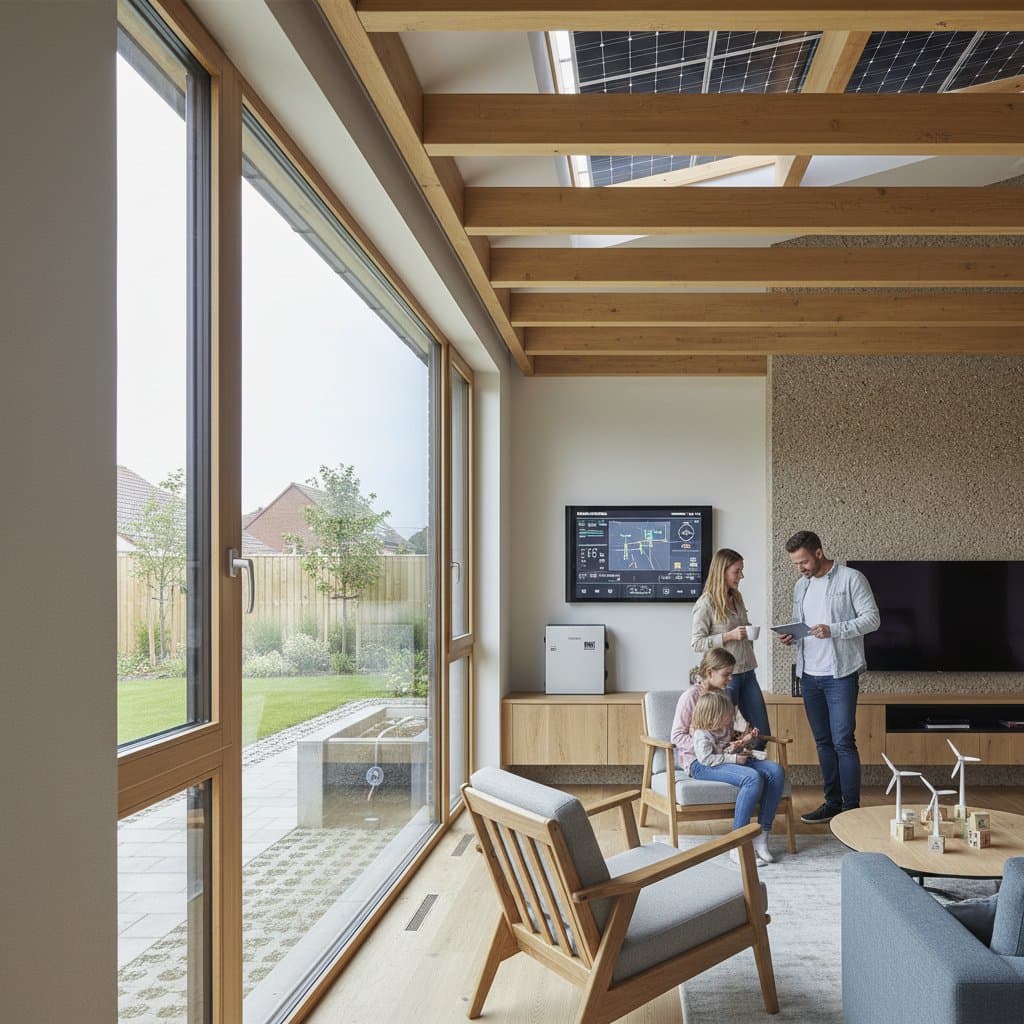
Essential Climate-Resilient Upgrades for 2026
Climate patterns shift rapidly, bringing longer heat waves, intense rainfall, and powerful storms to homeowners across regions. These changes demand proactive measures to safeguard properties. Climate-resilient upgrades transform homes from vulnerable structures into fortified havens that preserve value, minimize repair expenses, and ensure family safety.
Homeowners cannot alter the weather, yet they hold the power to fortify their residences. Such enhancements move beyond optional luxuries; they represent essential investments. By focusing on structural integrity, energy efficiency, and smart monitoring, families secure lasting protection and comfort.
Key Upgrade Priorities
Target improvements based on local risks, yet universal principles apply everywhere. Prioritize these areas to build comprehensive resilience:
- Reinforce roofs and drainage to withstand heavy rain and high winds.
- Enhance insulation, windows, and heating, ventilation, and air conditioning systems for consistent energy performance.
- Install flood barriers and strengthen foundations in flood-prone zones.
- Select durable materials engineered for extreme conditions with minimal upkeep.
- Integrate renewable energy sources and battery storage for reliable power during outages.
A thorough risk assessment guides the sequence of projects. This approach ensures targeted spending yields maximum benefits.
Reinforcing the Roof and Exterior Shield
The roof serves as the primary barrier against harsh elements. Damage here invites water intrusion, mold growth, and eventual structural weakening. Selecting resilient materials and proper installation techniques extends roof longevity significantly.
Engineered options outperform traditional coverings in severe conditions. Professional evaluation identifies weaknesses before upgrades begin. These steps prevent costly emergencies during storms.
Core Considerations for Roofing Enhancements:
- Impact-resistant shingles: These endure winds up to 140 miles per hour and resist hail damage. Installation costs range from 3 to 5 dollars per square foot, offering strong return on investment.
- Metal roofing panels: Corrosion-resistant and heat-reflective, they suit diverse climates. Installed prices fall between 9 and 12 dollars per square foot, with lifespans exceeding 50 years.
- Hurricane straps and clips: These metal connectors secure the roof to wall framing, countering uplift forces in gales. Simple additions during reroofing cost under 1 dollar per linear foot.
- Sealed roof decks: Synthetic underlayments create impermeable layers beneath shingles. They block moisture even if surface materials shift, adding 1 to 2 dollars per square foot to the project.
Address drainage equally to manage water flow. Install oversized aluminum or steel gutters, paired with leaf guards, to handle deluges without overflow. In snowy regions, integrate heat tapes along eaves to melt ice buildup and avert dam formation. Regular maintenance schedules keep these systems optimal year-round.
Upgrading Windows and Insulation for Thermal Stability
Extreme temperature fluctuations strain homes, driving up energy use and discomfort. Upgraded windows and insulation create stable indoor environments, regardless of outdoor extremes. These modifications lower utility bills while boosting overall livability.
Energy-efficient features block heat transfer and harmful rays. They maintain consistent conditions, reducing wear on heating and cooling systems. Many qualify for incentives that offset initial costs.
Targeted Improvements for Efficiency:
- High-performance windows: Opt for double- or triple-pane units with low-emissivity coatings. They minimize heat loss and UV penetration, with installation at 600 to 1,200 dollars per window.
- Weatherstripping and caulking: Seal gaps around frames and sills to enhance airtightness. This low-cost task, under 100 dollars total, yields immediate energy savings.
- Attic insulation additions: Blown-in cellulose or spray foam fills voids effectively. Application runs 1.50 to 3 dollars per square foot, creating a robust barrier against seasonal swings.
- Reflective roof coatings: Apply white or cool membranes to upper surfaces. They deflect solar heat, stabilizing interiors and extending roofing life.
Buyers value these upgrades for their cost-saving potential. Document installations to highlight benefits during property sales. Combine with programmable thermostats for further optimization.
Securing Power with Renewable Systems
Weather events increasingly disrupt power grids, leaving homes without essentials like lighting or refrigeration. Reliable backup systems ensure continuity for critical functions. Renewables reduce reliance on vulnerable infrastructure while cutting ongoing expenses.
Solar integrations pair seamlessly with storage solutions. Generators provide robust alternatives for larger needs. Both options demand professional sizing to match household demands.
Effective Power Resilience Strategies:
- Solar panels and battery banks: These sustain key appliances during blackouts. Post-incentive systems start at 15,000 to 25,000 dollars, with payback through bill reductions.
- Whole-home standby generators: Propane or natural gas models activate automatically. Installed units cost 6,000 to 12,000 dollars, delivering seamless operation.
- Surge protectors: Whole-house devices shield against voltage spikes from storms. Basic models install for 300 to 500 dollars, preserving electronics.
- Energy management tools: Smart monitors track consumption and prioritize loads. They extend backup duration, integrating with apps for remote oversight.
Assess energy needs via audits to select appropriate scales. These setups not only weather disruptions but also promote sustainability.
Integrating Smart Technology for Monitoring
Early detection prevents minor issues from escalating into major damages. Smart devices provide ongoing vigilance over environmental factors. They empower homeowners with data-driven decisions for maintenance and response.
Affordable sensors connect via home networks for instant notifications. Integration with existing systems amplifies their utility. This layer of intelligence complements physical upgrades.
Recommended Monitoring Tools:
- Leak detection sensors: Place under sinks, around appliances, and in basements. They alert via app to water presence, averting mold and flooding.
- Humidity and moisture trackers: Ideal for damp areas like crawl spaces. They signal rises that could lead to wood rot or structural compromise.
- Adaptive thermostats: These learn usage habits and adjust settings for efficiency. Models like Nest or Ecobee optimize comfort while saving energy.
- Personal weather stations: Mounted outdoors, they measure rain, wind, and temperature. Data informs preemptive actions, such as securing outdoor items.
Routine checks on device batteries and connections maintain reliability. Pair with automated shutoffs for enhanced protection.
Implementing Upgrades Strategically
Approach renovations methodically to maximize impact. Conduct a professional risk assessment to pinpoint priorities, such as flood exposure or wind vulnerability. This foundation directs budget allocation effectively.
Break projects into phases for manageability. Start with inspections to confirm baseline conditions. Track all progress with records of materials, labor, and compliance documents.
For hands-on tasks, weatherproofing doors or insulating accessible areas suits DIY efforts. Complex endeavors, including electrical or roofing work, require certified experts. Verify credentials, insurance, and past projects to ensure quality outcomes.
These investments yield multifaceted returns. They shield against climate threats, sustain daily comfort, and elevate property appeal. Homeowners gain peace of mind knowing their spaces endure whatever 2026 brings.