
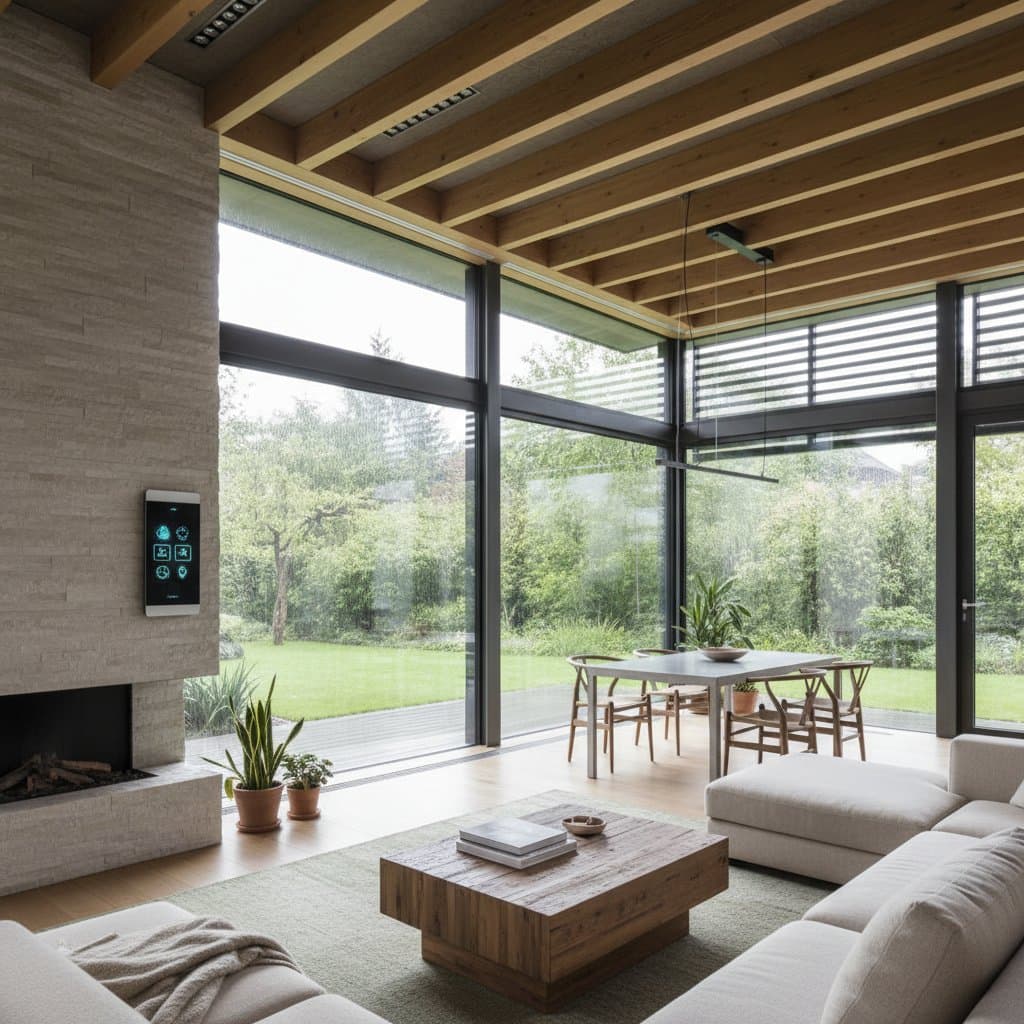
Smart Upgrades for a Weather-Proof Home
Water dripping through the ceiling during a fierce storm marks a pivotal moment for many homeowners. A temporary fix might suffice initially, but repeated exposure reveals the necessity of comprehensive resilience. Weather-proofing a home transcends mere survival against the elements. It involves crafting an adaptable space that conserves energy and maintains stability amid evolving climate patterns.
Key Principles
- Targeted investments in weather-proofing elevate both daily comfort and long-term property worth
- Implement upgrades in stages to accommodate varying budgets and expertise levels
- Select energy-efficient materials that simultaneously serve as robust protective layers
- Integrate advanced technology with eco-conscious design for optimal home performance
Establishing a Resilient Foundation
The envelope forms the core of any weather-proof home, encompassing seals, insulation, and barriers against moisture and thermal fluctuations. Prioritize the roof and exterior walls, which endure the most direct environmental stress. Opt for metal roofing, priced at 9 to 14 dollars per square foot, to achieve decades of low-maintenance durability. Alternatively, composite shingles featuring reflective coatings provide an economical choice at 4 to 8 dollars per square foot, effectively minimizing solar heat gain.
Exterior walls require similar fortification. Insulated concrete forms or structurally insulated panels yield strong enclosures resistant to wind and water infiltration. In retrofit scenarios, dense-packed cellulose insulation, applied at 2 to 3 dollars per square foot, fills wall cavities to boost thermal performance and acoustic isolation. Maintain seamless continuity throughout to block unauthorized entry of air or moisture.
Intelligent Windows for Proactive Defense
Windows frequently represent vulnerabilities in thermal regulation and moisture control. Transition to double- or triple-pane units with low-emissivity coatings to cut heat loss by up to 30 percent. Choose frames constructed from composite or fiberglass materials, which exhibit minimal expansion during temperature variations and preserve airtight seals.
Advanced options include smart tinting systems that dynamically modulate transparency in response to sunlight levels. These innovations maintain cooler interiors during summer peaks and retain warmth in winter months. Installation costs 30 to 50 dollars per square foot, with energy reductions often recouping expenses over a few years.
Effective Drainage and Water Diversion Strategies
Proper water management stands as an overlooked yet critical safeguard against elemental damage. Equip the home with seamless aluminum gutters, costing 7 to 10 dollars per linear foot, alongside downspouts and foundation drains. Incorporate leaf guards to minimize clogs and extend service life.
Elevate this setup with smart sump pumps and moisture sensors that deliver real-time notifications via mobile applications. These tools alert residents to rising water threats. A complete smart sump pump installation, including battery backup for power outages, ranges from 300 to 800 dollars and ensures reliability during crises.
Fortifying Doors and Access Points
Securing doors delivers substantial weather-proofing benefits at minimal expense. Refresh deteriorated weatherstripping for approximately 50 dollars per door and add adjustable thresholds to seal out drafts. In wind-vulnerable regions, install impact-resistant doors crafted from fiberglass or steel, with prices spanning 1,200 to 2,500 dollars per unit.
Enhance security and monitoring through smart locks and door sensors. These devices identify instances of unsecured entries during inclement weather. Connect them to a central hub that triggers automatic locking in anticipation of forecasted storms, providing reassurance for absent occupants.
Dynamic Ventilation and Environmental Regulation
Effective weather-proofing demands more than airtight construction; it requires precise airflow management. Energy recovery ventilators exchange indoor stale air for fresh outdoor supply while reclaiming thermal energy from exhaust streams. Systems cost 2,000 to 4,000 dollars to install and significantly enhance air purity alongside occupant comfort.
Complement this with programmable thermostats that adapt to user patterns, humidity, and ambient shifts. Together, they minimize energy consumption and sustain consistent indoor conditions despite external volatility.
Enduring Sustainable Materials
Sustainability aligns seamlessly with weather resilience, favoring materials that defy degradation, mold, and discoloration. Fiber cement siding replicates wood's appeal while repelling moisture and insects, installed at 10 to 13 dollars per square foot for prolonged service with little intervention.
Interior selections like reclaimed wood, sealed with eco-friendly treatments, infuse character and promote resource conservation. Lime-based paints and plasters naturally inhibit mold and permit vapor permeability, averting moisture accumulation. Such choices foster healthier living spaces and enduring visual harmony.
Integrated Storm Response Technologies
Modern weather-proofing incorporates digital intelligence for preemptive action. Home weather stations and monitoring platforms predict storm severity and initiate automated safeguards. Link these to smart blinds, climate controls, and leak detection for seamless adaptation.
Basic configurations feature a central weather hub, distributed sensors, and ventilation automation. Sophisticated variants handle landscaping irrigation, shutter deployment, and power redistribution to critical areas. Investments range from 600 to 2,000 dollars, yielding profound benefits in safety and ease during severe events.
Integrating DIY and Expert Interventions
Numerous weather-proofing tasks suit skilled homeowners, including gap sealing, window film application, and sensor placement. However, delegate structural modifications, electrical integrations, and complex ventilation to qualified professionals. Certified experts guarantee adherence to regulations and mitigate future liabilities.
Adopt a hybrid strategy: commence with accessible DIY initiatives to gain momentum and control expenses, followed by expert evaluations for intricate elements. Conduct routine post-storm assessments to pinpoint and address emerging vulnerabilities promptly.
Sustaining Peak Performance
Upgrades demand ongoing care to retain efficacy. Clean gutters biannually, examine window perimeters yearly, and verify smart device functionality consistently. Swap ventilation filters as recommended and track energy metrics via integrated dashboards to preempt inefficiencies.
Anticipate seasonal demands by clearing drainage routes ahead of rains and scrutinizing insulation integrity before freezes. These practices avert escalation of small concerns and safeguard prior enhancements.
Embracing Enhanced Living
A fortified home envelope reshapes seasonal experiences profoundly. Insulated barriers muffle storm fury, stable climates defy heat extremes, and responsive systems instill security. Layered innovations from sensors to resilient exteriors build unshakeable assurance.
Homeowners transcend storm preparedness to cultivate thriving environments. Through technological synergy, skilled execution, and diligent upkeep, residences evolve into sanctuaries of enduring comfort.