
Step 2: Modify Interior Systems for Enhanced Resilience
With the exterior barriers of your home reinforced, shift attention to internal systems designed to maintain safety and livability during disruptions to essential services.
Intelligent Power Management and Backup Solutions
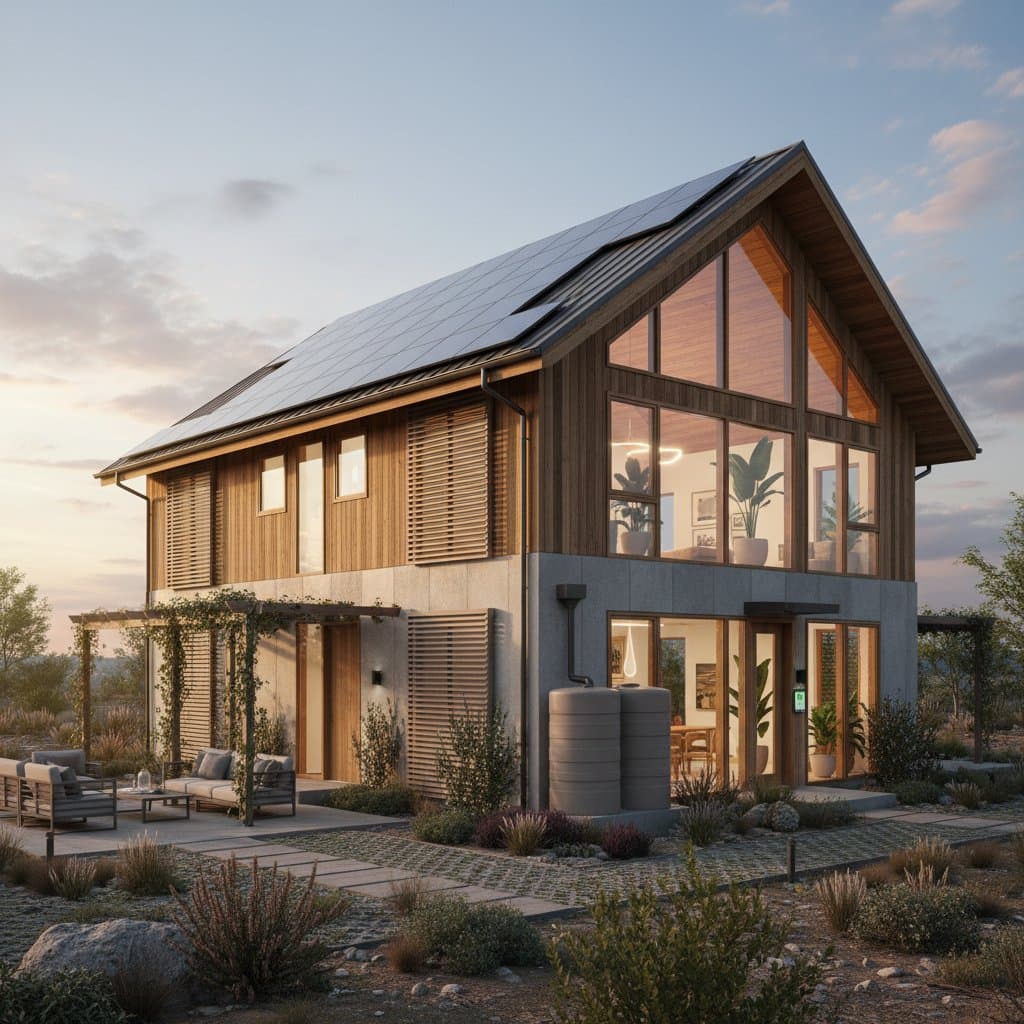
Prolonged interruptions in electricity supply occur with greater frequency in vulnerable regions. Investing in a whole-house generator, priced from $5,000 to $10,000 inclusive of professional installation, provides comprehensive coverage. Alternatively, compact portable generators begin at approximately $700, offering flexibility for targeted needs. For an environmentally conscious alternative, integrate solar panels with battery storage systems to sustain vital circuits independently of traditional fuel sources.
Begin by assessing essential appliances and devices, including refrigeration units, sump pumps, and life-support equipment. Clearly mark these electrical circuits to facilitate rapid activation in crisis situations, ensuring minimal downtime and reduced stress during outages.
Durable Plumbing and Heating, Ventilation, and Air Conditioning Configurations
Fluctuations in temperature exert significant strain on water lines and climate control infrastructure. Apply insulation to all visible pipes, particularly those in attic spaces and basement areas, to guard against freezing or overheating. Protect heating, ventilation, and air conditioning components by fitting surge protection devices and raising external condenser units a minimum of 12 inches above ground level, thereby mitigating risks from inundation.
In locales prone to prolonged periods of high temperatures, opt for variable-speed air conditioning units that modulate output to optimize energy consumption. Initial outlay for such systems may approach $8,000, yet the resultant reductions in utility expenses and increased system longevity provide substantial returns over time.
Safeguarding Indoor Air Purity
Events such as wildfires and severe dust storms rapidly compromise internal atmospheres. Transition to filtration media rated MERV 13 or superior to capture finer particulates effectively. Position portable high-efficiency particulate air purifiers in primary occupancy zones to maintain breathable conditions. In response to airborne hazards, apply weatherstripping to seal perimeter gaps around entry points, significantly improving overall air quality and occupant well-being.
Developing a Comprehensive Resilience Budget
Home fortification efforts require strategic financial planning rather than immediate comprehensive expenditure. Divide initiatives into yearly objectives and categorized spending levels to manage resources effectively.
| Priority Level | Project Type | Typical Cost Range | Time to Complete |
|---|---|---|---|
| Essential | Roof sealing, drainage clearing, emergency supply assembly | $200 - $1,000 | 1 weekend |
| Moderate | Window reinforcements, generator integration, pipe insulation | $1,000 - $6,000 | 1 to 2 weeks |
| Comprehensive | Solar installations with energy storage, exterior cladding renewal, yard reconfiguration | $7,000 - $25,000+ | 3 to 4 weeks |
This tiered framework enables prioritization of urgent safeguards alongside progressive enhancements. Prior to undertaking significant alterations, confirm compliance with regional construction regulations. Engage certified specialists for any interventions involving electrical wiring or load-bearing elements to ensure safety and efficacy.
Essential Strategies for Effective Implementation
- Record all modifications to qualify for insurance premium reductions, as numerous providers recognize enhancements in climate adaptability.
- Establish a recurring schedule for upkeep tasks, including periodic roof evaluations, air filter renewals, and gutter maintenance.
- Refine family emergency protocols, designating specific responsibilities for scenarios involving utility failures or necessary relocations.
- Monitor available resources, such as community weatherproofing initiatives and government subsidies that offset expenses for sustainable or defensive improvements.
- Adopt an integrated perspective by merging protective measures with efficiency boosters, like advanced insulation layers and automated temperature controls, to achieve year-round energy conservation.
Thriving in a Fortified Living Environment
Following the completion of resilience enhancements, routine care evolves into a streamlined process that demands less reactive effort. Residents allocate more time to appreciating a secure and optimized habitat rather than addressing unforeseen disruptions.
True preparedness transcends apprehension; it empowers proactive stewardship. As subsequent severe weather occurrences arise—be they tempests, thermal extremes, or conflagration threats—confidence in your dwelling's capacity to withstand them will prevail. Initiate progress with a single safeguard measure this weekend, then methodically expand your efforts for sustained protection.