
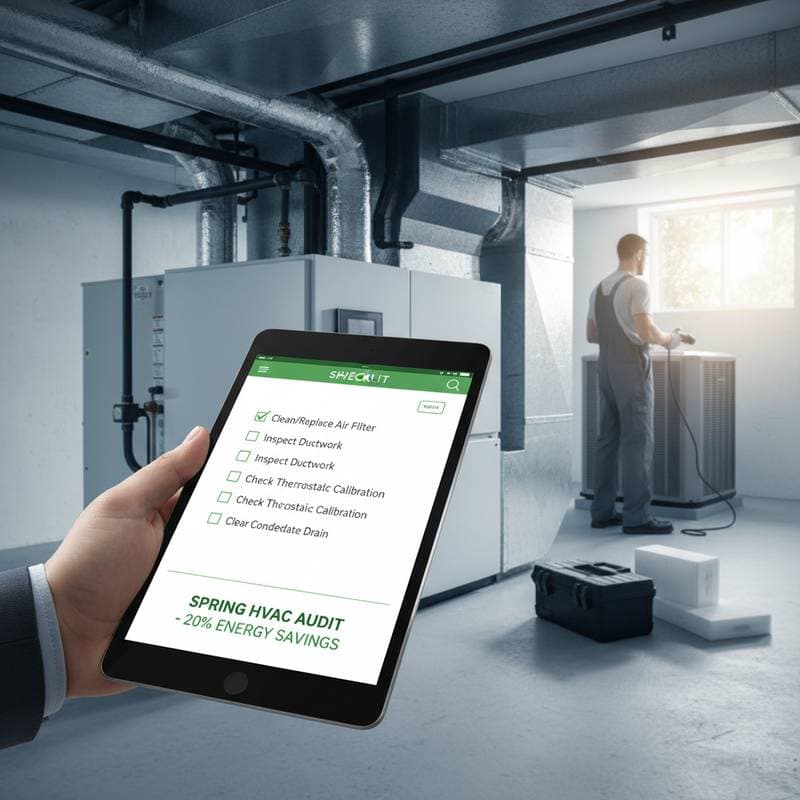
Maximize Savings with Spring HVAC Audit Fundamentals
Energy bills that rise unexpectedly often signal underlying issues with the HVAC system. As temperatures increase, the equipment transitions from heating to cooling duties, creating an optimal moment for a comprehensive inspection. A spring HVAC audit identifies minor inefficiencies early, preventing them from escalating into major repairs or excessive energy consumption.
Homeowners require no advanced technical skills to achieve significant improvements. Dedicate a few hours to observation and basic maintenance, guided by reliable steps, to optimize performance, prolong equipment durability, and reduce energy usage substantially.
Comprehensive DIY HVAC Audit Guide
Basic HVAC audits demand no professional credentials. These tasks prove quick, secure, and involve only everyday tools. Use this guide to detect energy inefficiencies and maintenance requirements prior to engaging expert services.
1. Replace or Clean Air Filters
Clogged filters compel the system to operate with greater effort, elevating energy demands and accelerating wear on vital parts. Regular filter maintenance stands as the most straightforward and impactful action for efficiency.
- Estimated Cost: $10 to $40 for disposable filters; $30 to $80 for washable varieties
- Required Time: 10 to 15 minutes
- Expert Recommendation: Schedule monthly inspections during periods of intense system operation, such as summer cooling peaks.
2. Examine Air Vents and Ductwork
Tour the residence to confirm that all vents remain unobstructed, dust-free, and fully open. Accumulated dust impedes airflow, diminishing cooling effectiveness and straining the system.
- Identify dust or particles near vent covers.
- Verify that furnishings do not impede air circulation.
- Note discrepancies in room temperatures, which may indicate duct leaks.
Professional intervention becomes necessary for thorough cleaning or leak detection using specialized tools. Duct sealing services generally cost $300 to $700, yet yield annual energy savings of several hundred dollars through restored airflow.
3. Evaluate the Thermostat
Adjust the thermostat to a preferred setting and monitor the system's response for prompt and uniform operation across the home.
- Consider replacing manual models with programmable or smart thermostats, which reduce yearly heating and cooling expenses by as much as 10 percent.
- Position the device away from sunlight exposure or airflow disruptions to ensure accurate temperature readings.
4. Maintain the Outdoor Condenser Unit
The exterior condenser accumulates dirt, foliage, and pollen, all of which hinder ventilation and compromise operational efficiency.
- Disconnect electrical power to the unit prior to any maintenance.
- Employ a soft-bristled brush or low-pressure water stream to clear accumulations.
- Maintain a minimum two-foot perimeter around the unit to facilitate unrestricted air movement.
In regions with high pollen counts, perform additional cleanings midway through the season to sustain optimal function.
5. Verify the Condensate Drain Line
Obstructions in the drain line lead to water backups, potential structural damage, and elevated indoor humidity levels. Inspect the line for blockages and clear it using a solution of warm water combined with a modest amount of vinegar to inhibit mold growth.
6. Assess Insulation and Air Sealing
HVAC inefficiencies frequently stem from external factors like inadequate duct insulation or perimeter air infiltration. Address these to bolster overall system performance.
- Apply weatherstripping or caulking to close gaps around doors, windows, and frames.
- Inspect insulation in attics and crawl spaces for degradation or dampness.
- Conduct a full home energy assessment if drafts persist, targeting specific vulnerabilities.
Optimal Timing for Audit Implementation
The spring period bridges intense heating and cooling demands, positioning it as the prime interval for system evaluations. Perform the audit during this lull to resolve problems before peak summer demand surges service costs and availability.
Residents in areas with extended warm seasons should initiate the process once temperatures consistently exceed freezing levels. In temperate zones, extend the timeline into early summer, but avoid delaying until the system operates continuously under load.
Advance preparation allows sufficient lead time for procuring parts or arranging professional services ahead of extreme heat.
Prioritize Safety in Maintenance Practices
DIY audit procedures generally pose low risks, yet adherence to safety protocols remains essential. Shut off power sources before accessing or servicing mechanical elements. Don protective gloves and eyewear during tasks involving filters, cleaning agents, or fibrous materials.
Defer handling of electrical wiring, refrigerant systems, or fuel lines to certified technicians. The objective centers on efficiency gains without introducing hazards or equipment harm.
Build Lasting Efficiency Habits
After completing the audit, the HVAC system delivers noticeable enhancements in operation. Cooling distributes evenly throughout spaces, indoor air quality improves, and utility statements show tangible reductions.
Retain the guide for annual reference, integrating these practices into standard home upkeep. Cumulative benefits include sustained cost reductions, heightened comfort levels, and dependable system reliability across seasons.
This approach transforms routine maintenance into a strategic investment for economical, comfortable living.