
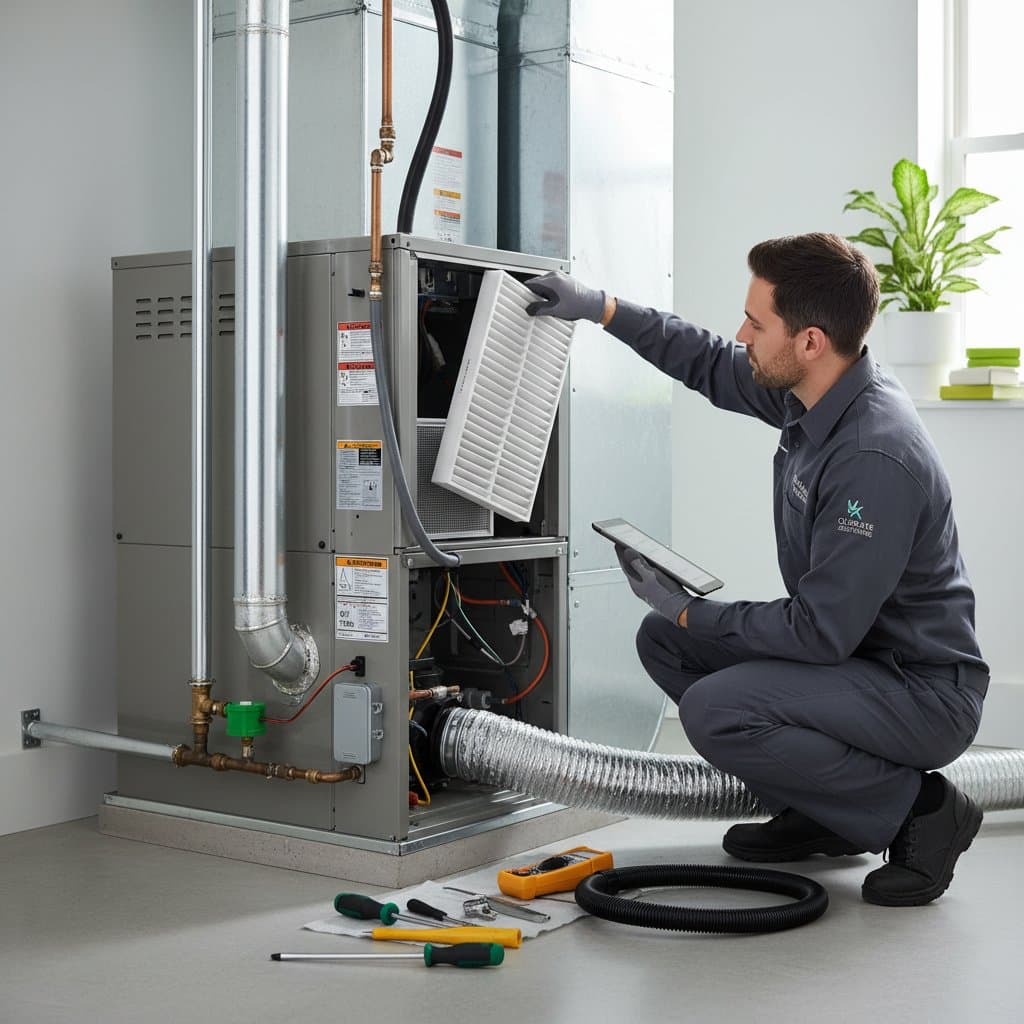
Introduction to Spring HVAC Maintenance
As warmer weather approaches, preparing your heating, ventilation, and air conditioning system becomes essential. A thorough spring reset not only ensures reliable cooling during peak summer months but also minimizes the risk of sudden breakdowns. By addressing common issues early, homeowners can achieve significant savings on energy bills and avoid costly emergency repairs that often exceed several hundred dollars.
This guide outlines a step-by-step maintenance plan tailored for both DIY enthusiasts and those preferring professional assistance. Each step focuses on practical actions that improve system performance and indoor air quality. Follow these recommendations to maintain a comfortable, efficient home environment throughout the year.
Essential Maintenance Steps
Perform these eight key tasks in sequence to systematically evaluate and optimize your HVAC system. Begin with basic cleaning and progress to more technical inspections. Tools required include a screwdriver, vacuum with brush attachment, and possibly a flashlight.
1. Replace or Clean Air Filters
Dirty filters restrict airflow and force the system to work harder, increasing energy use by up to 15 percent. Locate the filter compartment, typically near the return air duct or inside the furnace. Slide out the old filter and install a new one with the proper MERV rating for your setup, usually between 8 and 13 for residential use.
Cost: Filters range from 10 to 30 dollars each. Replace every one to three months, depending on usage and pet presence. Clean reusable filters by rinsing under water and allowing them to dry completely before reinstalling.
2. Clear Condensation Drain Lines
Clogged drain lines lead to water leaks and potential system shutdowns. Find the drain line, often a PVC pipe exiting the indoor unit, and pour a mixture of one part white vinegar to 10 parts water through it to dissolve buildup. Use a wet-dry vacuum to suck out stubborn debris from the access point.
DIY tip: Perform this task monthly during humid seasons. If water does not drain freely, consider installing a float switch to prevent overflows.
3. Clean Evaporator and Condenser Coils
Dust accumulation on coils reduces heat transfer efficiency. Turn off power to the unit, then gently brush the evaporator coils inside the air handler with a soft coil brush. For the outdoor condenser coils, hose them down from the inside out to remove dirt without bending the fins.
Professional recommendation: If coils show heavy corrosion or damage, hire a technician for chemical cleaning, which costs 100 to 200 dollars but restores full efficiency.
4. Check Refrigerant Levels
Low refrigerant causes the system to cycle excessively and fail to cool properly. Listen for hissing sounds near the outdoor unit, which may indicate a leak. Use a gauge set if experienced, but most homeowners should schedule a professional recharge and leak detection.
Cost: A standard check and top-off runs 150 to 300 dollars. Addressing leaks early prevents compressor failure, a repair that can exceed 1,000 dollars.
5. Calibrate the Thermostat
Cost: Free to 200 dollars if upgrading to a smart thermostat.
Set your system to cooling mode and confirm that the thermostat accurately triggers the air conditioner. If your home experiences uneven temperatures or slow response times, recalibrate the thermostat or consider upgrading to a programmable or smart model. Smart controls learn your schedule, optimize energy use, and alert you to potential system issues before they escalate.
6. Inspect Electrical Connections and Blower Components
Loose wiring or worn belts cause intermittent operation or sudden failure. Remove the access panel to check for corrosion, frayed wires, or unusual odors. Lightly vacuum dust from the blower compartment and ensure the motor spins freely.
Professional check recommendation: If you hear squealing or grinding noises during operation, schedule a technician visit. Replacing a worn blower motor belt proves inexpensive, but ignoring it leads to full motor failure costing 400 to 700 dollars.
7. Examine Ductwork for Leaks
Leaky ducts waste up to 30 percent of conditioned air. Inspect visible joints and seams for gaps, using a flashlight to spot separations. Apply mastic sealant or foil tape to seal minor leaks, ensuring the system distributes air evenly.
DIY limit: For extensive duct systems, especially in attics or crawl spaces, professional duct testing with a blower door costs 200 to 500 dollars and identifies hidden issues accurately.
8. Review Airflow and Ventilation
Walk through your home and confirm that each supply and return vent remains clear of furniture, curtains, or rugs. Balanced airflow prevents the system from overworking. If certain rooms feel warmer or cooler than others, an airflow test or zoning evaluation may prove helpful.
DIY check: Hold a tissue near each vent while the system runs. If the tissue barely moves or gets pulled too strongly, airflow balance requires adjustment.
Cost Planning and Return on Investment
Budgeting for spring HVAC preparation simplifies when divided into tiers.
- Basic homeowner maintenance: Filters, cleaning supplies, and drain line treatment total under 60 dollars.
- Comprehensive tune-up: A professional inspection with refrigerant check and coil cleaning costs 150 to 250 dollars.
- Duct testing and sealing: Depending on leak severity, expect 200 to 600 dollars for testing and repairs.
The return on investment materializes through energy savings and reduced repair frequency. A well-maintained system operates at least 10 percent more efficiently, offsetting the cost of a professional tune-up within a single cooling season. Over time, these efforts extend equipment life by several years, delaying the need for full replacement.
Year-Round Habits to Sustain Efficiency
After completing the spring reset, integrate these monthly practices to preserve performance.
- Check filters each month and replace or clean them as soon as they appear dirty.
- Clear debris around the outdoor unit after storms or heavy winds.
- Monitor energy bills for sudden spikes that could signal developing issues.
- Schedule one professional inspection before each major season change.
Consistency in these routines prevents gradual degradation and ensures the system delivers optimal cooling and air quality. Regular attention transforms a reactive repair approach into proactive care.
Achieve Lasting Comfort Through Preparation
Investing time in spring HVAC maintenance equips your home for reliable summer performance and beyond. Each completed step contributes to lower operating costs, fewer disruptions, and a more comfortable living space. Take action now to secure these benefits before rising temperatures demand it.