
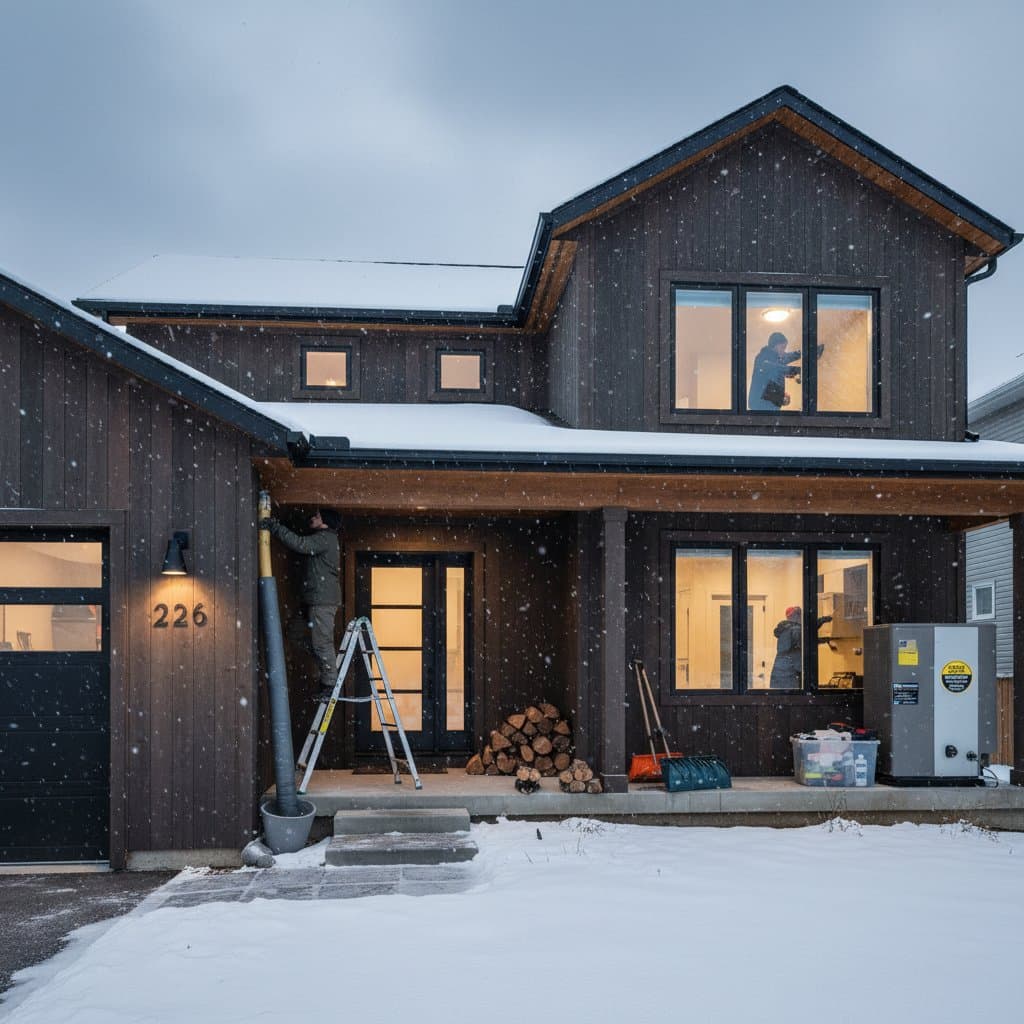
Safeguard Your Home for 2026 Winter Storms
Winter storms deliver more than scenic snowscapes. Heavy winds, ice accumulation, and power disruptions challenge every aspect of your home. Proactive preparation shields your property, family, and finances from these threats.
Begin winterizing well before the first frost. This approach minimizes risks and enhances comfort. The following sections detail essential steps, including timelines, costs, and expert recommendations.
Key Preparation Areas
- Seal air leaks and insulate pipes to avert freeze-related repairs
- Inspect and tune heating systems for reliable performance
- Clear gutters and examine roofs to prevent ice dams
- Assemble comprehensive emergency supplies
- Maintain an updated checklist of contacts and procedures
Heating System Preparation
A dependable heating system proves essential when cold snaps arrive. Engage a licensed HVAC professional for a thorough inspection. Such services typically range from 100 to 250 dollars and cover ignition checks, filter replacements, and carbon monoxide detector verification.
Homeowners can perform basic maintenance tasks themselves.
Essential DIY Steps:
- Replace air filters every one to three months to maintain airflow.
- Vacuum dust from vents to ensure efficient operation.
- Test thermostats for precise temperature control.
- Confirm that exhaust flues remain clear of obstructions.
For homes with fireplaces or wood stoves, arrange for chimney cleaning. Professionals charge 150 to 300 dollars for this service, which removes creosote and lowers fire hazards.
In areas prone to outages, install a backup power source. Portable generators cost 500 to 1500 dollars, whereas whole-home standby units begin at 3000 dollars with installation. Position generators outside, distant from windows, to prevent carbon monoxide risks.
Securing Windows, Doors, and Insulation
Effective seals form the foundation of energy efficiency and weather resistance. Caulking cracks and applying weatherstripping represent straightforward projects that yield rapid savings on heating costs.
Detailed Application Process:
- Feel along window frames to identify drafts.
- Scrape away deteriorated caulk.
- Apply a uniform line of exterior-grade caulk for a tight seal.
- Install or renew weatherstripping on doors that fail to latch securely.
Consider interior window insulation films for added protection. These kits, priced at 15 to 25 dollars per window, create a barrier that cuts heat loss by up to 25 percent.
Enhance attic insulation if depth falls below 10 inches. Options include fiberglass batts or blown-in cellulose. Hire professionals for installation at 1 to 2 dollars per square foot; results include noticeable warmth gains and reduced energy use.
Assembling an Emergency Kit
Storms often disrupt supply chains, making preparation vital. Build a kit with essentials for self-sufficiency during outages.
Core Kit Components:
- Flashlights paired with spare batteries
- Portable chargers for mobile devices
- Bottled water and shelf-stable food sufficient for three days
- Blankets plus layered warm garments
- First aid kit with medications
- Manual can opener and multipurpose tools
- Waterproof copies of critical documents, such as IDs and policies
Place the kit in a readily accessible spot. Include a printed directory of emergency services, utility providers, and insurance details. For pet owners, add provisions for animal care, including food and veterinary records.
Protecting Exterior Features
Outdoor elements demand attention to avoid water intrusion and structural issues. Inspect and maintain these areas to fortify your home.
Clear gutters of leaves and debris before winter sets in. Clogged systems lead to ice dams that damage roofs. A professional cleaning costs 100 to 200 dollars, or handle it yourself with a ladder and gloves.
Examine your roof for loose shingles or weakened spots. Schedule repairs promptly to prevent leaks. If ice buildup concerns you, install heat cables along eaves; these run 10 to 20 dollars per linear foot installed.
Insulate exposed pipes in unheated spaces like garages or crawlspaces. Use foam sleeves, available for 1 to 5 dollars each, and secure them with tape. For added protection, wrap with heat tape controlled by a thermostat.
Long-Term Benefits of Preparation
Investing time in these measures preserves your home's value and avoids costly claims. Insurers report spikes in winter damage reports, yet many incidents stem from neglected maintenance. Sealed structures and tuned systems deliver ongoing savings, comfort, and peace of mind.
Review your policy to verify coverage for freeze damage and storms. Document preparations with photos for potential claims.
Practical Recommendations
- Book inspections in early fall to secure professional availability.
- Integrate smart thermostats and leak sensors for real-time alerts.
- Mark and demonstrate the main water shutoff to all household members.
- Stock replacement filters and heating fuel in advance.
- Test smoke and carbon monoxide alarms monthly.