
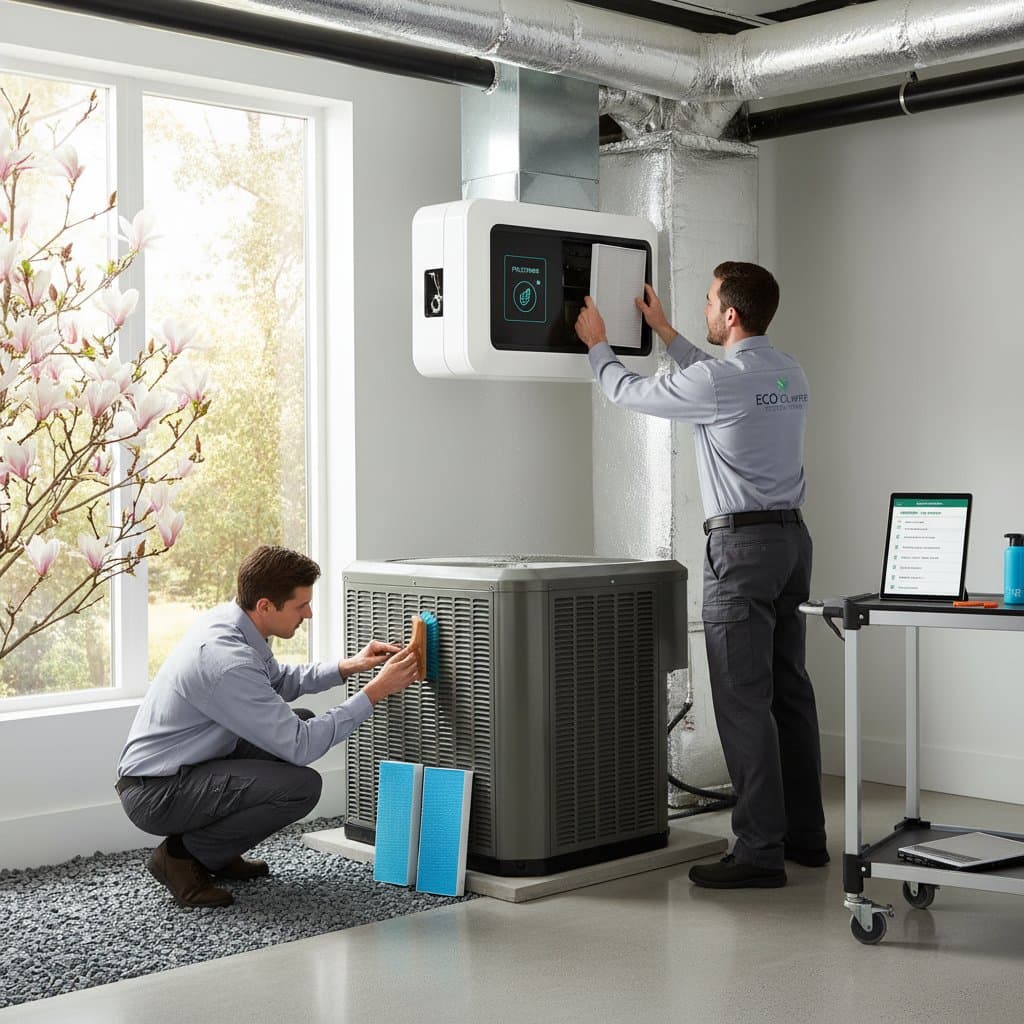
Essential Spring HVAC Checks for Energy Savings
Spring arrives with milder temperatures, offering an ideal opportunity to prepare your HVAC system for the upcoming cooling season. After enduring the demands of winter heating, the system requires thorough attention to ensure optimal performance. Conducting a spring checkup enhances indoor air quality, reduces utility expenses, and averts expensive breakdowns. This maintenance routine delivers substantial returns through improved efficiency and longevity.
Why Spring Timing Optimizes HVAC Maintenance
The transitional weather of spring provides a strategic interval between heating and cooling demands. Homeowners avoid the urgency of peak-season service calls, and professionals maintain greater availability. As energy prices continue to climb across regions, optimizing your HVAC setup yields tangible savings. A properly maintained system operates with 15 percent less energy consumption compared to one hampered by neglected filters or deteriorated parts.
Most essential tasks require only basic tools, careful execution, and clear instructions. Homeowners can manage these independently while recognizing the value of expert intervention for complex issues.
Step 1: Replace or Clean Air Filters
Examine the filter in your furnace or air handler; if it appears discolored or laden with dust, immediate action becomes necessary. Obstructed filters impede airflow, compelling the system to exert additional effort. This increased workload elevates energy use and accelerates wear on vital components.
Recommended procedure:
- Deactivate the system power supply prior to filter removal.
- Note the dimensions indicated on the filter frame to select an appropriate substitute.
- Install new disposable filters at intervals of one to three months.
- For reusable types, cleanse with a solution of mild soap and water, then allow full drying before reinsertion.
Filters vary in price from $10 to $40, influenced by manufacturer and filtration capacity. Options with advanced efficiency trap finer particles, thereby minimizing indoor dust and allergens. Verify that the chosen filter aligns with your system's airflow specifications to prevent undue resistance.
Step 2: Inspect and Clean Vents and Registers
Tour your living spaces to confirm that supply and return vents remain free from blockages. Common obstructions include shifted furniture, draped fabrics, or accumulated flooring debris. Employ a vacuum cleaner equipped with a soft brush to dislodge surface dust and fur from vent grilles. For accessible internal buildup, extend a slender duster or microfiber tool into the duct mouth with caution.
Annual professional duct cleaning proves unnecessary for most households. However, indicators such as visible mold growth, persistent odors, or excessive accumulation warrant a consultation. Service fees generally fall between $300 and $600, scaled to the residence's square footage.
Step 3: Check the Outdoor Unit
Winter elements often deposit foliage, branches, and soil around the outdoor condenser, compromising its thermal transfer capabilities. Such accumulations diminish operational efficiency and strain the unit.
Cleaning protocol:
- Disconnect electrical power via the circuit breaker.
- Eliminate surrounding litter and vegetation within a two-foot perimeter.
- Detach the protective grille and flush the coils using a standard garden hose, directing water from interior to exterior.
Avoid pressure-washing tools, as intense streams risk deforming delicate fins. Should fins exhibit bends, acquire a specialized fin comb from a local supplier to restore alignment without damage.
Step 4: Test Your Thermostat
Malfunctioning thermostats disrupt temperature regulation and inflate costs unnecessarily. Activate cooling mode and lower the setpoint several degrees below ambient conditions. Should the air conditioner fail to engage promptly, inspect power sources or recalibrate controls.
Upgrading to a programmable or smart thermostat introduces automation based on occupancy patterns. These devices range from $100 to $250 in cost and often achieve up to 10 percent energy reductions. Remote access via mobile applications enables seamless adjustments from any location.
Step 5: Inspect Drain Lines and Condensate Pans
Air conditioning processes remove humidity, which collects and exits via narrow drain lines. Gradual blockages from organic growth or particulates can cause overflows and structural harm.
Introduce one cup of white vinegar into the drain access point to inhibit buildup. Should water pool in the condensate tray beneath the air handler, employ a wet-dry vacuum or pliable rod to dislodge obstructions.
Step 6: Schedule a Professional Tune-Up
DIY efforts complement but do not replace expert evaluation. Licensed technicians employ diagnostic equipment to assess refrigerant charge, wiring integrity, and system balance. Standard inspections range from $100 to $200, with promotions common during off-peak periods.
Pro Tips for Ongoing Maintenance
- Establish calendar alerts for filter servicing at regular intervals to sustain performance.
- Maintain a detailed log of all maintenance activities, including dates and observations, to monitor trends and validate guarantees.
- Attend to auditory cues such as vibrations, hums, or whines, which frequently indicate addressable issues in nascent stages.
- Evaluate insulation integrity around ducts and in attics to minimize conditioned air loss and enhance overall effectiveness.
Maximizing Comfort and Savings Through Routine Care
Implementing these spring measures equips your HVAC system for reliable service throughout the year. Homeowners experience consistent temperatures, purified air, and diminished operational costs. Proactive upkeep not only safeguards investments but also promotes a healthier living environment with reduced environmental impact.