
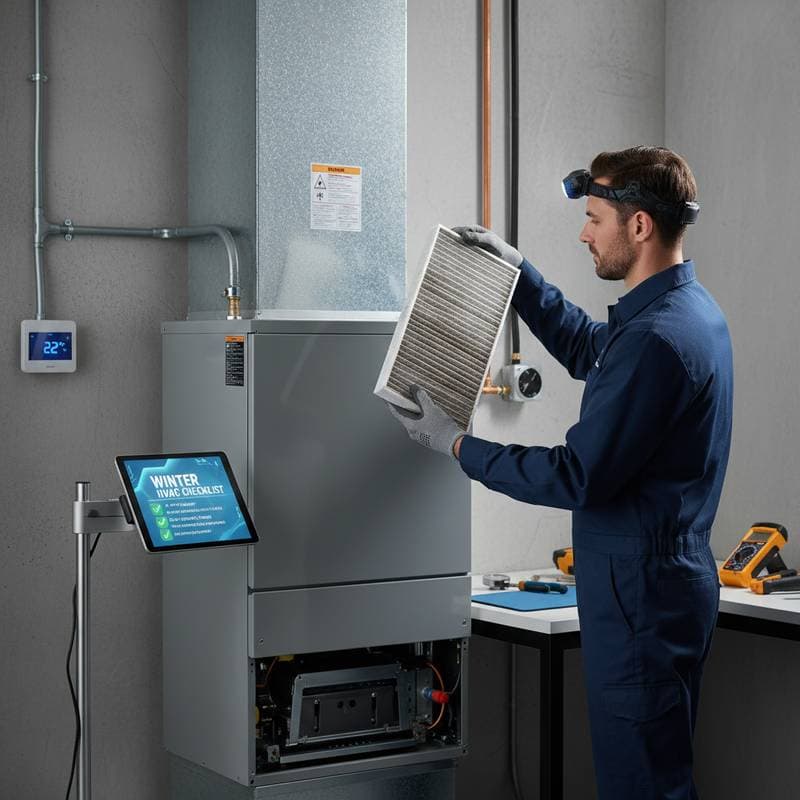
Essential Winter HVAC Checks to Prevent Cold-Weather Breakdowns
Winter arrives abruptly, transforming mild autumn days into biting cold nights. A reliable heating system becomes essential, yet many homeowners face unexpected failures when temperatures plummet. Proactive winter HVAC checks address potential issues before they escalate, ensuring consistent warmth, lower energy use, and peace of mind. This guide provides a step-by-step approach to inspecting and maintaining your system for optimal performance.
The Importance of Pre-Winter HVAC Inspections
Heating systems endure maximum stress during winter, operating nearly continuously to combat low temperatures. Components such as filters, burners, and motors face accelerated wear from dust accumulation, soot buildup, and prolonged runtime. These factors not only raise energy bills but also diminish the system's overall lifespan.
Safety concerns amplify the need for thorough checks. Improper gas line connections or obstructed vents can result in carbon monoxide leaks, posing severe health risks. Electrical faults in aging units may lead to sparks or fires. Regular inspections identify these hazards early, allowing for corrections that protect your family and property.
Beyond immediate benefits, consistent maintenance improves air quality by reducing allergens and pollutants circulated through your home. Professional standards recommend annual tune-ups, but homeowners can perform foundational tasks to extend equipment durability and efficiency.
Planning Your Winter HVAC Budget and Schedule
Homeowners often underestimate the affordability of preventive care. A comprehensive DIY inspection requires two to four hours and minimal expense. Standard furnace filters cost between fifteen and fifty dollars, depending on size and quality. Basic tools like screwdrivers, a vacuum, and lubricants add less than thirty dollars if not already owned.
For professional services, expect fees of one hundred fifty to three hundred dollars for a full tune-up, varying by region and system complexity. Such services include detailed diagnostics and adjustments that DIY efforts cannot match. The return on this investment appears quickly through energy savings of ten to twenty percent on heating bills.
Long-term, these practices postpone major replacements. A new furnace installation averages five thousand to ten thousand dollars, making routine checks a wise financial strategy. Schedule inspections in late fall, before the heating season peaks, to secure appointments and avoid peak-season premiums.
Step-by-Step DIY Winter HVAC Inspection Guide
Begin your inspection in a well-lit area with the system powered off at the thermostat and breaker. Gather supplies: replacement filters, a soft brush, flashlight, multimeter for basic electrical tests, and manufacturer manuals for model-specific guidance.
Inspect and Replace Air Filters
Clogged filters restrict airflow, forcing the system to work harder and reducing efficiency by up to fifteen percent. Locate the filter slot, typically near the return air duct or furnace base. Remove the old filter and hold it to light; if less than fifty percent of the surface appears open, replace it immediately.
Choose filters with a MERV rating of eight to thirteen for balanced filtration without excessive resistance. Install the new filter with the airflow arrow pointing toward the blower. This simple swap improves heating distribution and protects internal components from debris.
Clean and Examine the Blower Assembly
Dust and debris accumulate on blower blades, impeding fan performance and causing uneven heating. Access the blower compartment by removing the access panel. Use a soft brush or vacuum with a brush attachment to gently clean the blades and housing.
Check the motor for signs of wear, such as loose mounts or frayed wiring. Apply manufacturer-recommended lubricant to bearings if the unit requires it. Tighten any loose screws to eliminate vibrations that lead to premature failure.
Test Thermostat Functionality
An inaccurate thermostat disrupts temperature control, leading to discomfort and inefficiency. Verify battery levels in battery-powered models and replace if low. For wired units, inspect connections for corrosion and clean with a dry cloth.
Set the thermostat to heat mode and raise the temperature five degrees above the current room reading. The system should activate within a minute. If response lags, consider recalibration or professional evaluation to ensure precise operation.
Examine Safety Controls and Vents
Safety switches prevent operation if issues arise, such as overheating or flame rollout. Locate the rollout switch near the burner and ensure it remains intact. Test the limit switch by simulating a blockage; the system should shut down promptly.
Clear all vents of obstructions like rugs or curtains. Inspect ductwork for visible leaks or insulation gaps, sealing small cracks with mastic tape. These steps maintain safe airflow and prevent pressure imbalances.
Addressing Common Winter Heating Challenges
Despite preparation, systems may encounter problems during harsh weather. Recognize symptoms early to minimize disruptions.
-
Weak Heat Output Despite Continuous Operation: Inspect for dirty filters or closed dampers. Clean the heat exchanger if soot appears, or call a professional for deeper cleaning.
-
Frequent Short Cycling: Ensure the thermostat sits away from drafts or direct heat sources. Verify flame sensor cleanliness; a sooty sensor can cause erratic shutdowns.
-
Room-to-Room Temperature Variations: Balance airflow by adjusting duct dampers. Add vents or zoning controls for multi-story homes to even out heat distribution.
-
Unusual Noises Like Rattling or Whining: Secure loose panels and lubricate fan motors. Replace cracked heat exchanger components immediately to avoid safety risks.
Document these fixes in a maintenance log to track patterns and inform future inspections.
Daily and Weekly Habits for Sustained Performance
After initial setup, integrate routines to sustain system health. Change filters every one to three months, or more often in dusty environments. Vacuum registers monthly to prevent buildup.
Monitor humidity levels; excessive dryness can strain equipment. Run ceiling fans on low to circulate warm air downward. For heat pumps, clear outdoor coils of leaves and debris weekly.
During storms, inspect exterior units for snow or ice. Use warm water and a plastic scraper for safe removal, allowing full defrost before resuming operation. These practices reduce strain and extend runtime reliability.
Maximizing Long-Term Heating Efficiency
Investing time in winter checks yields lasting rewards. Efficient systems lower utility costs and environmental impact while providing dependable comfort. Homeowners who follow these protocols report fewer emergencies and greater satisfaction with their heating performance.
Consult local codes for gas or electric specifics, and engage certified technicians for complex diagnostics. With diligent care, your HVAC system supports a cozy winter, free from unexpected chills.