
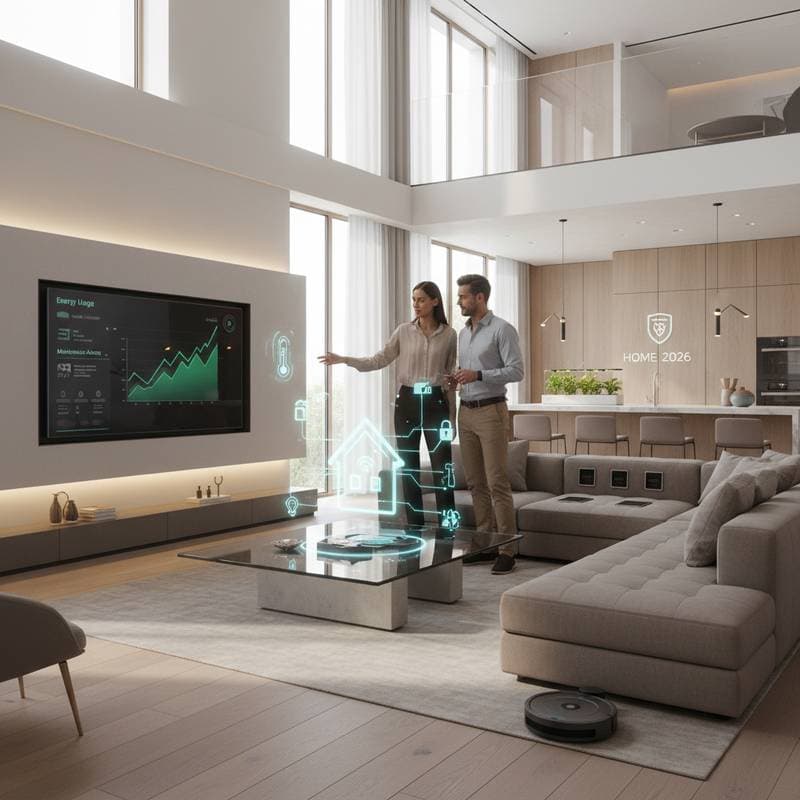
Preparing Your Home for Smart Living in 2026
The evolution of smart home technology accelerates rapidly, and by 2026, integrated systems will define efficient, comfortable living. Homeowners who act now can integrate devices that enhance daily routines, lower utility bills, and increase property value. This article outlines practical upgrades, focusing on systems that deliver immediate benefits and long-term reliability.
Start with an assessment of your current setup. Identify areas where automation can address inefficiencies, such as inconsistent heating or manual lighting controls. Prioritize upgrades based on your lifestyle needs and budget constraints to ensure a seamless transition to a connected environment.
Upgrading Thermostats for Optimal Comfort
Smart thermostats represent one of the most accessible entry points into home automation. These devices learn your schedule and adjust temperatures automatically, maintaining ideal conditions while minimizing energy use.
Consider models that integrate with voice assistants for hands-free control. Installation typically involves replacing your existing unit, a process that takes under an hour for most users. Expect to invest between $150 and $300 per unit, depending on features like geofencing, which detects when you leave or arrive home.
Beyond comfort, these thermostats provide detailed energy reports. Track usage patterns to identify savings opportunities, such as lowering temperatures during vacations. Pair them with compatible HVAC systems for whole-home efficiency, potentially reducing heating and cooling costs by up to 20 percent annually.
Enhancing Lighting with Intelligent Controls
Lighting upgrades transform ambiance and efficiency without major electrical work. Smart bulbs and hubs allow remote control via apps, scheduling, and motion detection to eliminate unnecessary energy consumption.
Begin by selecting bulbs compatible with your preferred ecosystem, such as those supporting Zigbee or Wi-Fi protocols. A basic setup for a three-bedroom home might cost $200 to $500, including bulbs and a central hub. These systems dim lights gradually for evenings or activate pathways at night, promoting safety and relaxation.
Advanced options include color-changing LEDs that adapt to moods or activities. Integrate with occupancy sensors to ensure lights turn off in unused rooms. Over time, this upgrade not only cuts electricity bills but also extends bulb life, reducing replacement frequency.
Strengthening Security Through Connected Devices
Security forms a cornerstone of modern smart homes, with cameras, locks, and sensors offering real-time monitoring and alerts. By 2026, AI-driven features will predict potential issues, making proactive systems essential.
Install doorbell cameras with two-way audio and night vision for around $100 to $250 each. Smart locks enable keyless entry via codes or biometrics, priced from $150 to $400. Combine these with window and door sensors that notify your phone of unauthorized access.
Centralize control through a single app to review footage and manage access remotely. This setup deters intruders and provides peace of mind during travel. Regular firmware updates ensure compatibility with emerging standards, safeguarding your investment.
Implementing Energy Management Systems
Comprehensive energy management goes beyond individual devices, coordinating appliances to optimize consumption. Whole-home systems monitor and automate power usage, aligning with renewable energy trends expected by 2026.
Look for hubs that connect to solar panels, EV chargers, and major appliances, costing $300 to $800. These platforms analyze data to shift high-energy tasks to off-peak hours, leveraging time-of-use rates from utilities.
Incorporate smart plugs for smaller devices like coffee makers, starting at $20 each. The result is a balanced load that prevents overloads and supports grid stability. Homeowners often see 10 to 15 percent reductions in monthly bills through such intelligent orchestration.
Adopting Predictive Maintenance Solutions
Predictive maintenance uses sensors to forecast equipment failures, preventing costly repairs. For homes, this applies to appliances, plumbing, and HVAC, integrating seamlessly with existing smart networks.
Water leak detectors and air quality monitors cost $50 to $150 per unit. Install them in basements, kitchens, and utility rooms to alert you before issues escalate. HVAC sensors track filter status and airflow, suggesting maintenance at optimal times.
These tools extend equipment lifespan and avoid emergency disruptions. By 2026, integration with AI will enable even more precise predictions, such as anticipating furnace wear based on usage patterns. Early adoption positions your home for minimal downtime and sustained efficiency.
Budgeting and Planning Your Upgrades
Effective planning ensures upgrades fit within financial limits while maximizing returns. Allocate 20 to 30 percent of your budget to core systems like thermostats and security, reserving the rest for expansions.
Create a phased timeline: complete foundational installs in the first quarter, then add integrations over six months. Factor in professional installation fees, which range from $100 to $500 per project, especially for wired components.
Research compatibility to avoid siloed devices. Test interoperability during setup to confirm smooth operation. Track rebates from energy providers, which can offset costs for qualifying efficient models.
Navigating Common Challenges
Upgrades come with hurdles, such as connectivity issues in older homes. Ensure robust Wi-Fi coverage with mesh networks if signal strength varies. Budget for potential wiring updates to support high-bandwidth devices.
Privacy concerns arise with data-collecting systems; select brands with strong encryption and local storage options. Regularly update software to patch vulnerabilities. Address these proactively to maintain a secure, reliable setup.
Realizing the Benefits of a Future-Ready Home
A well-upgraded smart home delivers convenience, savings, and resilience. Residents enjoy automated routines that free time for what matters, while lower energy demands contribute to sustainability goals.
Property values rise with modern features, appealing to tech-savvy buyers. Long-term, these investments adapt to advancing technologies, ensuring your space remains relevant. Begin with small steps today to build a foundation that serves well into 2026 and beyond.