
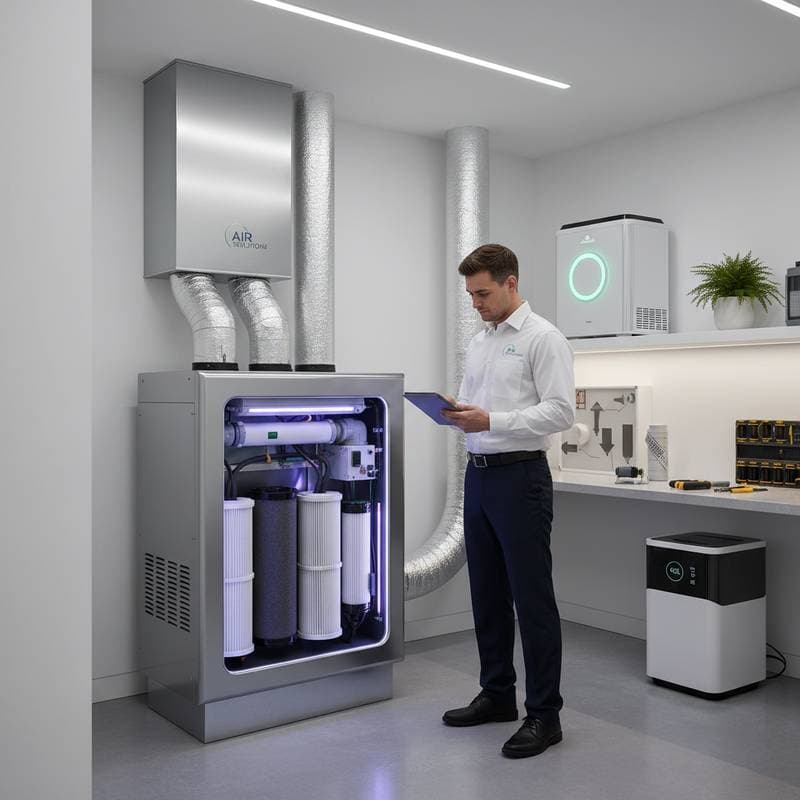
Spring Checks That Elevate Home Air Quality
When homeowners open windows after winter, indoor air often feels stagnant due to accumulated dust, moisture, and pollutants. This seasonal shift presents an opportunity to revitalize air systems and establish a healthier living environment. A systematic approach to spring maintenance addresses these issues, leading to reduced allergens, enhanced comfort, and optimized energy use.
This guide outlines essential checks that target key aspects of indoor air quality. Each section provides detailed steps, cost estimates, and anticipated benefits. Homeowners can implement these measures to foster a routine that sustains fresh air throughout the year.
1. HVAC Filter Replacement and System Tune-Up
High-efficiency filters capture particles that circulate through the home, but neglected replacements allow contaminants to persist. A professional tune-up ensures the system operates at peak efficiency, removing buildup from coils and fans.
Maintenance Steps:
- Locate the filter in the return air duct or furnace and replace it with a MERV 8-13 rated option suitable for your system.
- Schedule an annual professional inspection to clean evaporator coils, check refrigerant levels, and calibrate the thermostat.
- Test airflow from vents to confirm even distribution without weak spots.
- Vacuum around the indoor unit to remove visible debris.
Cost Range:
Replacement filters cost 15 to 50 dollars each. Professional tune-ups range from 100 to 200 dollars.
Expected Result:
Improved filtration reduces airborne irritants by up to 50 percent, while tune-ups enhance system efficiency and lower utility bills.
2. Ductwork Cleaning and Leak Testing
Leaky or dirty ducts compromise air quality by reintroducing dust and allergens into living spaces. Regular inspection prevents these issues from undermining other maintenance efforts.
Inspection Steps:
- Examine accessible ducts in attics, basements, or crawl spaces for dust buildup or visible gaps.
- Employ an incense stick test to detect leaks; wavering smoke indicates escaping air at seams.
- Apply UL-rated foil tape or duct mastic to seal minor leaks, avoiding inferior cloth tapes.
- Arrange professional cleaning if mold or excessive dust appears within the ducts.
Cost Range:
DIY sealing materials cost under 40 dollars. Professional services average 400 to 800 dollars based on home size and access.
Expected Result:
Even air distribution minimizes energy loss and curbs allergen spread, promoting consistent indoor comfort.
3. Ventilation System Balancing
Proper ventilation expels stale air and introduces fresh outdoor air, but imbalances can trap pollutants indoors. Spring adjustments align the system with seasonal changes in temperature and humidity.
Balancing Steps:
- Identify exhaust fans in kitchens, bathrooms, and laundry areas; ensure they vent outdoors rather than into attics.
- Adjust dampers in ductwork to equalize airflow, using a simple anemometer for measurement if available.
- Install or upgrade to energy recovery ventilators that precondition incoming air.
- Run fans for 20-30 minutes daily to flush out accumulated winter air.
Cost Range:
Basic damper adjustments cost 50 to 100 dollars in parts. Energy recovery units range from 500 to 1,200 dollars installed.
Expected Result:
Balanced ventilation dilutes indoor pollutants, maintaining oxygen levels and reducing stuffiness.
4. Moisture and Mold Prevention
Rising spring humidity fosters mold in concealed areas, releasing spores that irritate respiratory systems. Proactive measures interrupt this cycle and protect structural integrity.
Prevention Framework:
- Survey plumbing under sinks, in basements, and around water heaters for leaks or moisture.
- Deploy dehumidifiers in high-humidity zones to keep levels below 50 percent.
- Scrub bathroom grout with a vinegar and baking soda solution to eliminate mildew precursors.
- Inspect and reseal window sills and frames to prevent condensation ingress.
Cost Range:
Dehumidifiers cost 150 to 350 dollars. Sealing supplies run about 20 dollars. Mold inspections average 300 to 600 dollars.
Expected Result:
Elimination of damp odors and allergens extends the durability of walls, insulation, and furnishings.
5. Smart Air Purifier Upgrades
Portable or whole-home purifiers target specific pollutants like VOCs and fine particles that HVAC systems miss. Selecting models with HEPA and activated carbon filters provides comprehensive coverage.
Upgrade Steps:
- Assess room sizes and place purifiers in high-traffic areas or bedrooms.
- Choose units with smart sensors that adjust fan speed based on air quality readings.
- Replace filters every 6-12 months according to manufacturer guidelines.
- Integrate with home automation for remote monitoring and scheduling.
Cost Range:
Entry-level purifiers cost 100 to 300 dollars. Advanced smart models range from 400 to 800 dollars.
Expected Result:
Rapid reduction in particulate matter enhances sleep quality and overall well-being.
6. Greenery and Air-Purifying Plants
Strategic plant placement absorbs toxins and moderates humidity, but improper care can introduce soil-based mold. Low-effort species maximize benefits with minimal upkeep.
Plant Care Steps:
- Choose resilient options like snake plants, spider plants, or peace lilies known for pollutant absorption.
- Opt for pots with drainage holes to prevent water accumulation.
- Clean leaf surfaces weekly to maintain filtration efficiency.
- Water only when the top inch of soil dries, avoiding excess moisture.
Cost Range:
Individual plants cost 10 to 30 dollars. Drainage pots average 20 dollars.
Expected Result:
Subtle humidity regulation and aesthetic appeal contribute to a refreshed atmosphere.
7. Soft Surface and Fabric Cleaning
Carpets, upholstery, and curtains trap allergens year-round, releasing them during spring cleaning. Thorough vacuuming and washing remove embedded particles effectively.
Cleaning Steps:
- Vacuum carpets and rugs weekly using a machine with HEPA filtration.
- Steam clean upholstery and heavy fabrics quarterly to extract deep-seated dust.
- Wash removable curtains and bedding in hot water to kill dust mites.
- Use a baking soda sprinkle on carpets before vacuuming to neutralize odors.
Cost Range:
HEPA vacuums cost 150 to 400 dollars. Professional steam cleaning services range from 100 to 300 dollars.
Expected Result:
Fewer irritants in contact zones leads to decreased allergy flare-ups and improved air circulation.
8. Seasonal Appliance Maintenance
Household appliances generate particulates through lint, grease, and overheating. Routine servicing prevents these from contaminating broader air pathways.
Maintenance Steps:
- Clean dryer vents from interior and exterior ends to clear lint obstructions.
- Soak range hood filters in warm soapy water to dissolve cooking residues.
- Dust refrigerator coils annually to avoid efficiency drops and odor emission.
- Inspect and clean microwave interiors to remove food splatter.
Cost Range:
Vent kits cost 25 dollars. Professional cleanings average 100 to 150 dollars. Filter replacements run 15 to 40 dollars.
Expected Result:
Enhanced safety and air purity from reduced particle release and better appliance performance.
Pro Tips for Lasting Results
- Schedule filter and vent inspections every three months to sustain efficiency.
- Monitor humidity with a digital hygrometer, targeting 30 to 50 percent for optimal conditions.
- Ensure unobstructed vents by repositioning furniture and curtains as needed.
- Select eco-friendly cleaning agents to minimize introduction of volatile compounds.
- Organize tasks by home zone, such as dedicating weekends to HVAC systems and surface refreshers.
Sustaining Clean Air Year-Round
Implementing these spring checks establishes a foundation for ongoing air quality management. Regular attention to HVAC components, moisture levels, and ventilation ensures a comfortable home environment. Homeowners benefit from fewer health concerns, stable energy costs, and a space that feels invigorating in every season.