
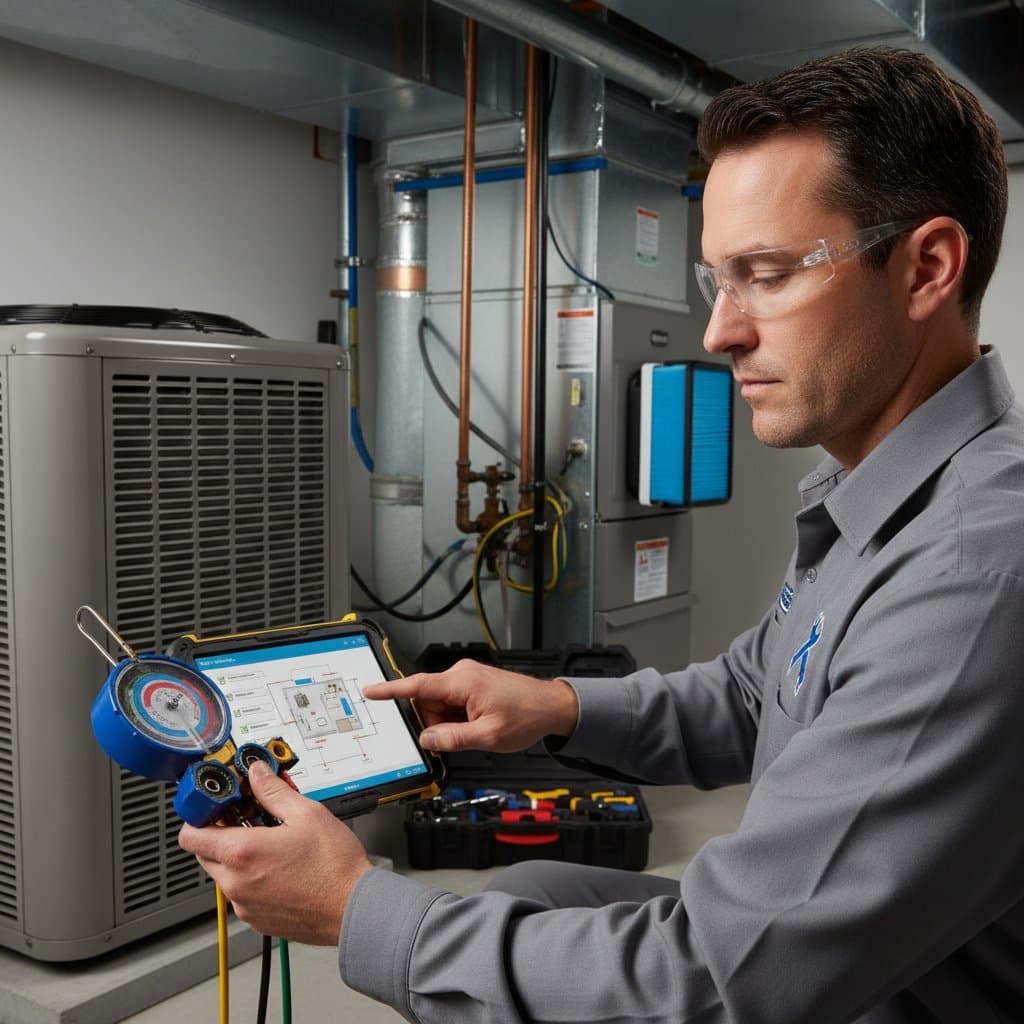
Essential Checks During Spring HVAC Tune-Ups
As temperatures rise and the shift to cooling season approaches, your HVAC system transitions from heating duties to air conditioning. This change exposes potential vulnerabilities that, if overlooked, lead to inefficiencies or failures. Spring tune-ups by professional inspectors identify these risks early, ensuring reliable performance and optimal energy use throughout the warmer months.
Such inspections go beyond surface-level checks. They systematically assess components for wear, balance airflow, and verify safety features. Homeowners benefit from reduced repair costs, enhanced comfort, and prolonged equipment lifespan when they schedule these evaluations.
Primary Inspection Focus Areas
Professional HVAC tune-ups examine critical elements methodically. Below are the main components inspectors evaluate to maintain system integrity.
Thermostat and Control Systems
Inspectors start with the thermostat, the central control for your HVAC operations. They confirm accurate temperature readings and proper communication with heating and cooling units. For programmable or smart models, calibration of schedules and settings receives thorough review.
A deviation of two degrees in readings can elevate cooling expenses by ten percent. Technicians also monitor system cycling to detect irregular patterns, which may indicate control board faults or relay problems. Smooth operation prevents unnecessary energy waste.
Air Filters and Ventilation Flow
Airflow assessment follows, targeting filters that, when clogged, strain the blower motor and compromise air quality. Inspectors recommend filter changes every one to three months, with spring serving as an ideal renewal point. They employ tools to quantify airflow and ensure even distribution through vents and returns.
Weak flow in specific areas prompts checks for duct obstructions or leaks. These leaks can dissipate up to thirty percent of cooled air, impacting comfort and bills. Post-inspection sealing enhances system efficiency significantly.
Refrigerant Charge and Coil Condition
Refrigerant levels demand precise verification, as deficiencies signal leaks that impair cooling and threaten the compressor. Using pressure gauges, inspectors confirm proper charge levels and system consistency. They also scrutinize evaporator and condenser coils for cleanliness and integrity.
Accumulated dirt on coils forces longer run times, accelerating wear and increasing costs. Cleaning restores up to fifteen percent better efficiency. This step proves essential for summer performance.
Electrical Wiring and Components
Electrical systems form the backbone of HVAC functionality, so inspectors secure connections, measure voltages, and inspect contactors and capacitors for deterioration. A failing capacitor hinders compressor starts, risking breakdowns during high demand. Early detection averts expensive fixes.
Safety devices like limit switches and breakers undergo testing to guard against overheating or shorts. This evaluation prioritizes hazard prevention in every tune-up.
Condensate Management
Air conditioning produces condensation that requires unobstructed drainage. Technicians flush lines to remove algae and debris, preventing backups. If a pump is present, its operation gets verified.
Clogs risk water damage in vulnerable areas like basements or attics. Installing a float switch offers automatic shutdown protection against overflows, minimizing repair needs at low cost.
Blower Unit and Motor Inspection
The blower distributes air via ducts, so inspectors clean wheels and assess motor bearings for friction. Speed settings receive adjustment for cooling demands. Maintenance here boosts circulation and cuts power use.
Variable-speed units face checks for seamless transitions. Inconsistent speeds suggest control or motor faults needing prompt attention.
Exterior Condenser Examination
Outdoor units require clearance from debris to function optimally. Inspectors remove obstructions and confirm fan rotation and motor quietness. A two-foot perimeter ensures adequate ventilation.
Refrigerant line insulation also gets reviewed for integrity. Compromised insulation leads to energy loss and added compressor stress.
Inspection Duration and Pricing
Most residential tune-ups last one to two hours, varying by system size and access. Fees range from 80 to 200 dollars per unit. Annual plans covering spring and fall visits often lower individual costs.
Additional repairs carry separate quotes; for instance, capacitor replacement costs about 150 dollars, and coil cleaning falls between 120 and 250 dollars. Preventive actions yield savings on utilities and avoid urgent service calls.
Professional Standards and Safety
Homeowners manage simple tasks like filter swaps, but comprehensive inspections necessitate expert equipment and expertise. Certified technicians handle refrigerants and electrical tests to comply with codes and specifications.
Service records track performance metrics over time. These logs reveal trends, such as efficiency drops, guiding decisions on upgrades.
Addressing Frequent Spring Concerns
Tune-ups uncover common issues that arise seasonally. Awareness aids quick interim resolutions.
- Weak airflow stems from soiled filters or obstructed vents; routine cleaning restores balance.
- Uneven temperatures suggest duct leaks or thermostat misplacement; zoning or upgrades provide solutions.
- Noises like rattling indicate loose parts or motor wear.
- Warm vent output points to refrigerant shortages or compressor faults requiring expert intervention.
Prompt handling preserves efficiency and eases system load.
Steps to Prepare Your Home
Ease the process by readying your space in advance.
- Swap out dirty filters.
- Remove debris near the outdoor unit.
- Ensure vent access throughout the home.
- Document any odd sounds, odors, or inconsistencies from prior use.
These preparations allow focused diagnostics.
Maximizing System Longevity
Consistent tune-ups mitigate component stress, extending operational life. Optimal refrigerant, clean coils, and balanced air keep parts within design limits, sparing high-cost replacements like motors.
Benefits extend to air quality, with reduced allergens and steady temperatures. Post-tune-up systems operate more quietly, delivering sustained comfort year-round.
Sustaining Peak Performance Through Ongoing Care
Integrate tune-ups into your seasonal routine to safeguard investments. Monitor for subtle changes and address them swiftly. This approach ensures your HVAC delivers reliable, efficient service for years.