
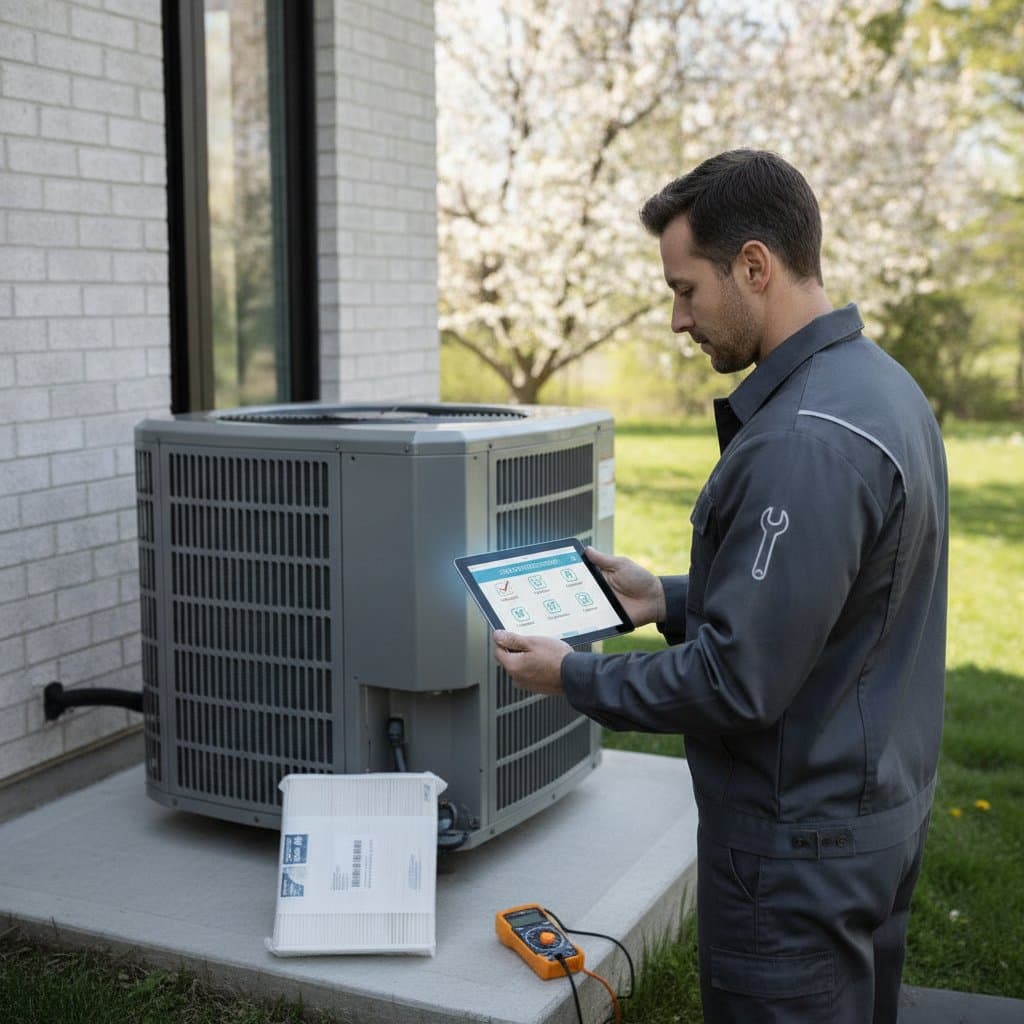
2026 HVAC Standards: Essential Spring Maintenance Tips
When the first warm breeze arrives, most homeowners focus on opening windows and clearing patios. The HVAC system that maintains steady indoor temperatures often receives less attention. This system will soon face increased demands, and new efficiency standards make proactive spring maintenance essential for lower energy costs, better comfort, and extended equipment life.
The updated standards establish higher performance baselines. Systems must deliver greater precision and reduced energy waste. Homeowners can align existing equipment with these expectations through targeted maintenance, whether they plan to keep the current unit or prepare for a future replacement.
Updated Efficiency Requirements
The new framework emphasizes higher Seasonal Energy Efficiency Ratios along with better refrigerant management. Every component, including coils and thermostats, must coordinate to achieve optimal results. Regular upkeep allows many existing systems to reach or surpass the efficiency levels required of newer models.
Advantages of Spring Service Timing
Moderate spring temperatures create an ideal window for inspection and adjustment. Technicians and homeowners can evaluate both heating and cooling functions without extreme conditions. Early service reduces the risk of summer failures during peak demand periods. It can also recover up to 15 percent of efficiency lost to accumulated dust or minor wear.
Spring HVAC Maintenance Steps
A clear sequence ensures thorough coverage of critical areas.
- Replace or clean air filters monthly during active seasons. Select MERV 8 to 13 ratings to balance particle capture with adequate airflow.
- Clear debris from the outdoor condenser unit and maintain two feet of surrounding clearance. Rinse fins gently from the inside outward.
- Remove dust from indoor coils using a soft brush or vacuum. Inspect the blower assembly for buildup or loose fittings.
- Verify thermostat response in both heating and cooling modes. Recalibrate if readings deviate or install a smart model to cut energy use by up to 10 percent.
- Examine refrigerant lines for damage and confirm insulation remains intact to stabilize temperatures.
- Flush the condensate drain with distilled vinegar to prevent algae growth and potential water damage.
- Secure all electrical connections, or engage a licensed technician for this task.
Time and Expense Overview
Professional tune-ups typically range from $100 to $250. Homeowners who handle basic tasks themselves usually spend under $50 on supplies. A full DIY checklist requires two to three hours, while a technician visit lasts about half a day and includes detailed performance measurements.
Addressing Common Issues
Minor problems can still appear despite routine care. Uneven temperatures often trace to blocked vents or duct leaks that homeowners can correct with foil tape. Rattling or buzzing sounds usually signal loose parts or debris in the fan. Short cycling may stem from dirty filters or misplaced thermostats. Rising utility costs warrant a professional audit to locate efficiency losses.
When to Engage Professionals
Homeowners can safely manage filter changes and basic cleaning. Tasks involving refrigerant, electrical components, or warranty compliance require certified technicians. These specialists use precise instruments to confirm airflow, compressor function, and pressure levels meet current expectations.
Planning Equipment Updates
Systems built to the new ratings frequently feature variable-speed motors and advanced controls. Units older than ten years merit budgeting for replacement within the next few seasons. Efficient models can lower operating costs by up to 20 percent while delivering steadier comfort.
Climate-Specific Adjustments
Humid areas require extra attention to condensation and mold prevention. Dry regions benefit from focused dust control and sealing measures. Local conditions should guide service frequency and any addition of dehumidification or purification equipment.
Safety Protocols
Disconnect power before any internal work. Wear gloves and eye protection during cleaning. Refrigerant handling remains restricted to certified personnel under federal rules.
Sustaining Home Comfort and Efficiency
Consistent maintenance keeps an HVAC system operating near the performance levels of newer equipment. This approach supports reliable temperatures, controlled energy use, and preserved home value throughout the year.