
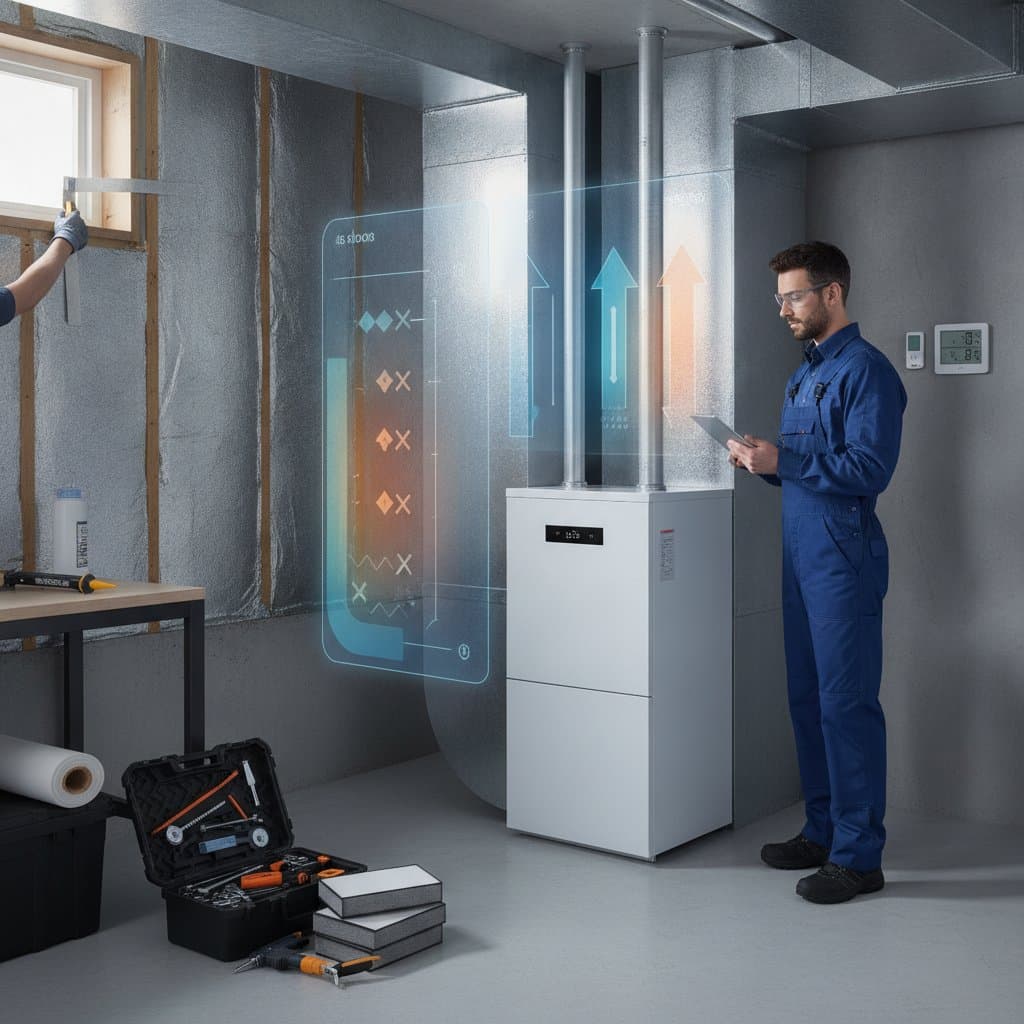
Avoid Winter Breakdowns With HVAC and Insulation Prep
The answer is simple. If you want to stay warm and avoid emergency repair bills, prepare your HVAC system and insulation before cold weather hits. Many homeowners wait until the first freezing night to realize their furnace or heat pump is struggling. By then it is often too late to find an available technician or fix insulation gaps that are letting heat slip away. A little prep now can save hundreds of dollars later and keep your home comfortable through every cold snap.
Inspect and Clean Your HVAC System
Start with the heart of your home heating setup. If your HVAC system is dirty or neglected, it will work harder than necessary and burn more energy to deliver the same warmth.
Check these items first.
- Replace disposable filters or clean reusable ones monthly during peak heating months. Clogged filters restrict airflow and force longer cycles.
- Ensure vents and registers remain open and free from obstructions such as furniture or curtains.
- Clear leaves, dirt, or ice from exterior heat pump units to maintain efficiency.
- Compare thermostat readings with a portable thermometer. A deviation greater than two degrees may signal calibration issues.
Call a professional when you hear rattling or grinding noises, notice weak airflow after filter changes, or see frequent on and off cycling. A certified technician can check refrigerant levels, test ignition systems, and verify safety controls. The service usually takes one to two hours and can extend system life by several years.
Seal Ducts for Better Airflow
Your heating system distributes warm air effectively only when ducts are sealed and balanced. Leaking ducts can waste up to 25 percent of heated air before it reaches rooms.
Perform this inspection yourself.
- Look for disconnected joints or visible gaps.
- Run your hand along ducts while the system runs to feel escaping air.
- Seal leaks with mastic sealant or aluminum foil tape. Standard duct tape deteriorates under heat.
- Insulate ducts that pass through attics or garages.
For complex leakage, hire a professional for a pressure test and aerosol sealing. The cost usually falls between 300 and 700 dollars, yet energy savings often recover the investment within a few seasons.
Improve Insulation Throughout Your Home
Adequate insulation prevents heat loss and reduces HVAC workload. Begin in the attic, where most heat escapes.
- Verify that attic insulation meets recommended R values for your climate zone and add material if levels are low.
- Seal gaps around windows, doors, and electrical outlets with weatherstripping or caulk.
- Inspect basement walls and rim joists for missing or compressed insulation.
- Consider adding insulation to exterior walls during major renovations if current levels prove insufficient.
These steps create a tighter envelope that holds warmth inside and lowers monthly energy costs.
Prepare for Extreme Cold
Even a well maintained system faces stress during severe weather. Install a backup heat source such as a portable electric heater for emergencies. Keep outdoor vents clear of snow. Test carbon monoxide detectors that protect combustion furnaces. Schedule at least one maintenance visit before winter begins.
Shut the system down and call a licensed technician if you smell gas, experience repeated shutoffs, or see ice on outdoor units.
Find Qualified Contractors
Select HVAC contractors who hold state licenses and carry liability insurance. Request written estimates that list parts, labor, and warranty coverage. Once the system is tuned and insulation reinforced, your home resists winter chills and maintains steady comfort all season.