
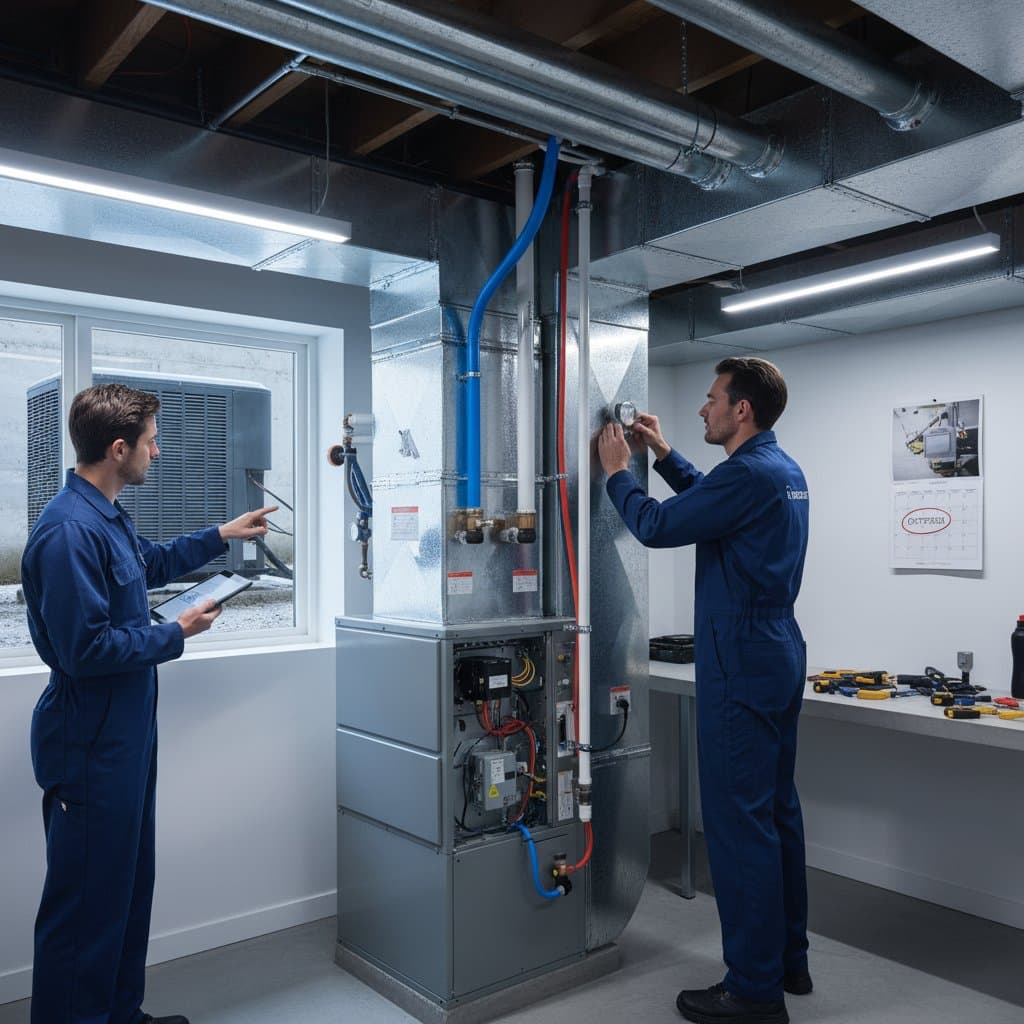
Prepare Your HVAC System Now to Avoid Winter Energy Cost Increases
As cooler mornings arrive and the need for warmth grows, the HVAC system emerges as a critical asset in any home. Homeowners often delay heating system checks until the initial frost, only to encounter preventable issues. Early preparation ensures comfort while minimizing sharp rises in energy expenses and surprise repair costs as winter intensifies.
This guide outlines a structured process for readying your HVAC for cold weather. The steps focus on cost savings, prolonged equipment durability, and steady indoor temperatures. Readers will gain insights into spotting inefficiencies, implementing budget-friendly enhancements, and developing a maintenance strategy to manage energy use effectively throughout the season.
Essential Steps: Inspect, Clean, Test, and Upgrade
Winter HVAC preparation divides into four key areas. Each contributes to enhanced performance and dependability.
1. Inspect
Begin with a thorough visual and operational review. Follow this checklist for a systematic assessment:
- Thermostat: Verify precise temperature display. Flickering screens or erratic cycling may require wiring inspection or battery replacement.
- Air Vents and Registers: Ensure all vents remain open and free from obstructions like furniture or carpets. Restrictions compel the system to operate under strain.
- Outdoor Unit: Remove leaves, debris, or soil from the condenser area. Provide a minimum two-foot clearance on every side.
- Ductwork: Examine for separated connections, accumulated dust, or air-leaking gaps. Such leaks can dissipate as much as 30 percent of heated air prior to room delivery.
Damage or inconsistent heating warrants a professional evaluation. A qualified technician assesses airflow, efficiency levels, and safety features.
2. Clean
Regular cleaning removes buildup that hampers performance. Focus on components that directly affect airflow and heat transfer.
- Air Filters: Remove and clean reusable filters or install new ones. Dirty filters restrict airflow, increasing energy use by up to 15 percent.
- Vents and Registers: Vacuum dust and debris from supply and return vents. Use a soft brush for delicate surfaces to avoid damage.
- Blower and Coils: Access the blower compartment to clear dust from fan blades. For evaporator coils, apply a no-rinse coil cleaner to dissolve grime, following manufacturer guidelines.
- Drain Lines: Flush condensate drains with a vinegar solution to prevent clogs that lead to water damage or system shutdowns.
Cleaning restores optimal operation and improves air quality. Perform these tasks annually or before heating season starts.
3. Test
After cleaning, conduct a performance test under controlled conditions.
- Thermostat Adjustment: Raise the setting by three degrees and observe activation within one minute.
- Airflow Check: Confirm warm air emerges steadily from every vent. Cool spots in rooms suggest duct obstructions or filter issues.
- Noise and Odor Monitoring: Listen for rattles, squeals, or detect burning scents, which signal belt wear or electrical problems.
- Cycle Observation: The system should attain the desired temperature in 15 to 20 minutes without frequent on-off patterns. Extended cycles point to insulation gaps or low efficiency.
Early testing provides opportunity for adjustments before severe weather arrives.
4. Upgrade
Consider targeted improvements to boost long-term efficiency. These investments yield substantial returns.
- Programmable Thermostat: Install a model that adjusts temperatures automatically based on occupancy. Such devices can reduce heating costs by 10 to 25 percent.
- Duct Insulation: Wrap uninsulated ducts in attics or crawl spaces with foil-faced foam. This minimizes heat loss in unconditioned areas.
- High-Efficiency Filters: Switch to pleated filters with a MERV rating of 8 to 13 for better particle capture without excessive airflow resistance.
- Zone Dampers: Add dampers to duct systems for room-specific control, preventing over-heating unused spaces.
Evaluate upgrades based on your system's age and home layout. Consult professionals for compatibility and installation.
Deciding Between Professional Service and DIY Efforts
Certain HVAC maintenance suits homeowner skills, while others demand expert intervention. Understanding boundaries ensures safety and effectiveness.
Suitable for DIY
- Replacing or cleaning air filters
- Calibrating thermostat settings
- Vacuuming vents and return grilles
- Applying foil tape to minor duct leaks
Best Handled by Professionals
- Handling electrical or gas connections
- Lubricating and balancing blower motors
- Conducting furnace combustion tests
- Adjusting refrigerant charges
Uncertainty about procedures or regulations calls for a licensed technician. A standard tune-up ranges from $100 to $250 and incorporates vital safety verifications, safeguarding against carbon monoxide hazards and operational failures.
Addressing Typical Winter HVAC Challenges
Preparation reduces risks, yet temperature shifts can trigger problems. Review these frequent concerns with targeted solutions.
Furnace Delivers Cool Air
Verify the thermostat in heat mode, not fan only. A soiled filter restricts flow, prompting safety shutoffs; replace it promptly.
Inconsistent Room Temperatures
Examine ducts for separations or closed dampers. Insulate exposed sections in attics or basements to preserve air warmth.
Unusual Sounds
Squeals often indicate deteriorating belts; rattles suggest unsecured panels. Secure components, and seek technician aid for persistent issues involving bearings or motors.
Frequent On-Off Cycling
Clogged filters or thermostat errors cause short cycling. Thorough cleaning and adjustment typically resolve the problem.
Unexpected Bill Increases
Thermostat failures or combustion inefficiencies contribute. Expert recalibration optimizes sensors and fuel consumption.
Establishing a Seasonal Maintenance Schedule
Reliable habits sustain HVAC efficiency. Implement this monthly routine from heating onset through spring.
- Examine and refresh filters as required.
- Vacuum vents to eliminate dust accumulation.
- Note any atypical operational sounds.
- Track energy statements for anomalies.
- Test carbon monoxide alarms for functionality.
- Clear outdoor units post-storms.
Adopting these practices preserves performance and prolongs equipment life by years.
Advantages of Ongoing HVAC Maintenance
Preventive measures extend beyond expense reduction. They elevate air purity, decrease breakdown likelihood, and support property worth. Documented service records reassure potential buyers and influence valuations favorably.
Economically, upkeep delivers strong returns. Routine efforts, costing under $200 yearly, avert repairs and waste equivalent to three to five times the outlay. For instance, consistent filter changes at $20 per season contrast with $200 annual hikes from neglect.
Safeguarding Your HVAC Investment
Sustained care transforms your HVAC from a seasonal necessity into a dependable, cost-effective system. By integrating these strategies, homeowners secure warmth, efficiency, and peace of mind year-round.