
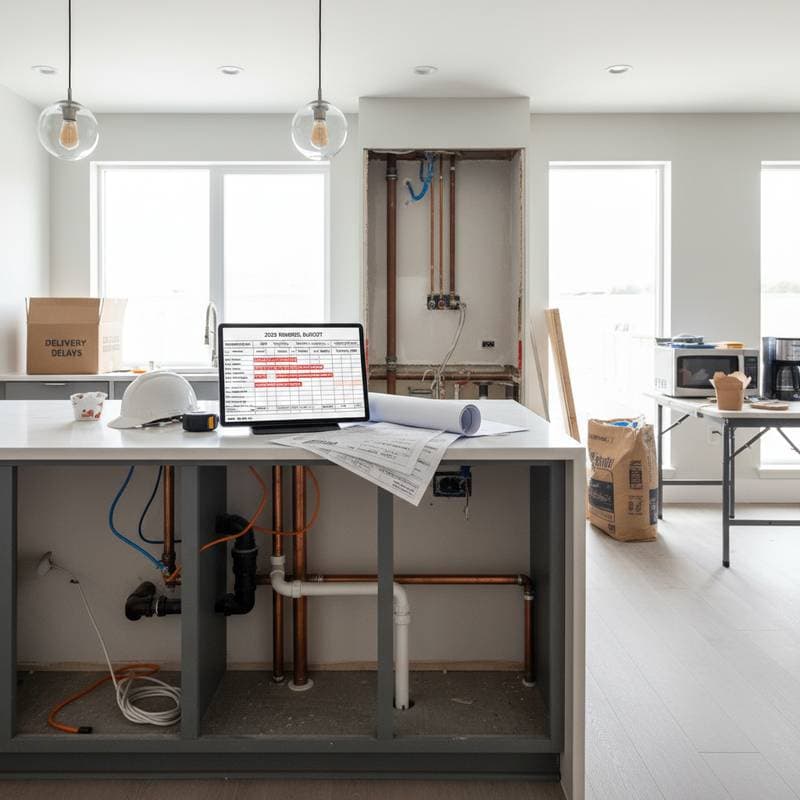
- Building permit for alterations to structure or significant layout modifications
- Electrical permit for circuit overhauls or new installations
- Plumbing permit for pipe replacements or appliance integrations
- Mechanical permit for updates to airflow systems or fuel lines
Inspections accompany each permit to verify code conformity. Should discrepancies occur, additional charges for corrections apply. Allocate at least ten percent of your labor allocation as a contingency for inspection-driven revisions.
Understanding Labor Cost Fluctuations
Labor constitutes the primary area where remodel budgets falter. Qualified artisans set rates based on market demand, skill level, and local economic factors. In urban centers, fees can reach double the national median, whereas rural settings might suffer from limited specialist availability, thereby prolonging timelines and escalating costs.
Factors That Escalate Labor Expenses:
- Unexpected discoveries during demolition, such as asbestos, mold, or obsolete wiring
- Alteration directives issued during construction that necessitate revisions
- Scheduling overlaps where one specialist awaits completion by another, amplifying downtime charges
Secure detailed, line-item estimates from contractors. If presented with a lump-sum proposal lacking specifics, request a comprehensive dissection. Such clarity fosters realistic expectations and promotes timely project completion.
Ensuring Code Compliance and Insurance Protection
Disregarding construction regulations proves far costlier than initial adherence. Fines aside, unpermitted alterations can nullify homeowner insurance or diminish market value. Property evaluators and inspectors scrutinize compliance indicators, and absent documentation may deter potential purchasers.
Standard Code-Mandated Enhancements:
- Installation of smoke and carbon monoxide alarms
- Provision of grounded power receptacles
- Maintenance of adequate spacing between appliances and adjacent surfaces
- Securing of anti-tip mechanisms for cooking ranges
Insurers typically demand proof of expert execution for fuel conduits, electrical systems, and load-bearing adjustments. Preserve records of permits, evaluation summaries, and tradesperson credentials for ongoing protection.
Balancing Professional Expertise with DIY Efforts
Undertaking tasks independently offers potential savings, provided limitations are recognized. Suitable activities for homeowners include refreshing cabinet surfaces, applying decorative wall tiles, or constructing ready-to-assemble units. However, reconfiguring circuits, repositioning water lines, or handling fuel connections demands certified professionals.
Tasks Amenable to DIY Approach:
- Surface painting and basic wall mending
- Attachment of cabinet fittings
- Substitution of overhead lights using current wiring
- Application of self-adhesive decorative tiles
Areas Requiring Professional Intervention:
- Modifications to foundational elements
- Fuel line adjustments or extensive water system relocations
- Upgrades to electrical distribution panels
- Integration of exhaust systems or overhead extractors
Engaging verified contractors guarantees warranty coverage and evidentiary support for subsequent transactions. During bid assessments, confirm credentials, liability coverage, and prior endorsements. Investing in established expertise frequently averts extensive corrective expenditures down the line.
Strategies for Long-Term Kitchen Preservation
Regular upkeep extends the lifespan of your investment and minimizes recurring costs. Focus on preventive measures to sustain functionality and appearance over time.
Routine Maintenance Practices:
- Clean cabinet exteriors weekly to eliminate oil residue
- Apply protective sealants to work surfaces and joint lines per producer guidelines
- Examine sub-sink fittings periodically for gradual seepage
- Service exhaust filters on a monthly basis to optimize performance
- Update insurance policies to reflect recent enhancements and valuations
With informed planning, concealed costs evolve from disruptive elements into controlled components of your budget. This approach secures a durable kitchen that enhances daily life without lingering fiscal burdens.