
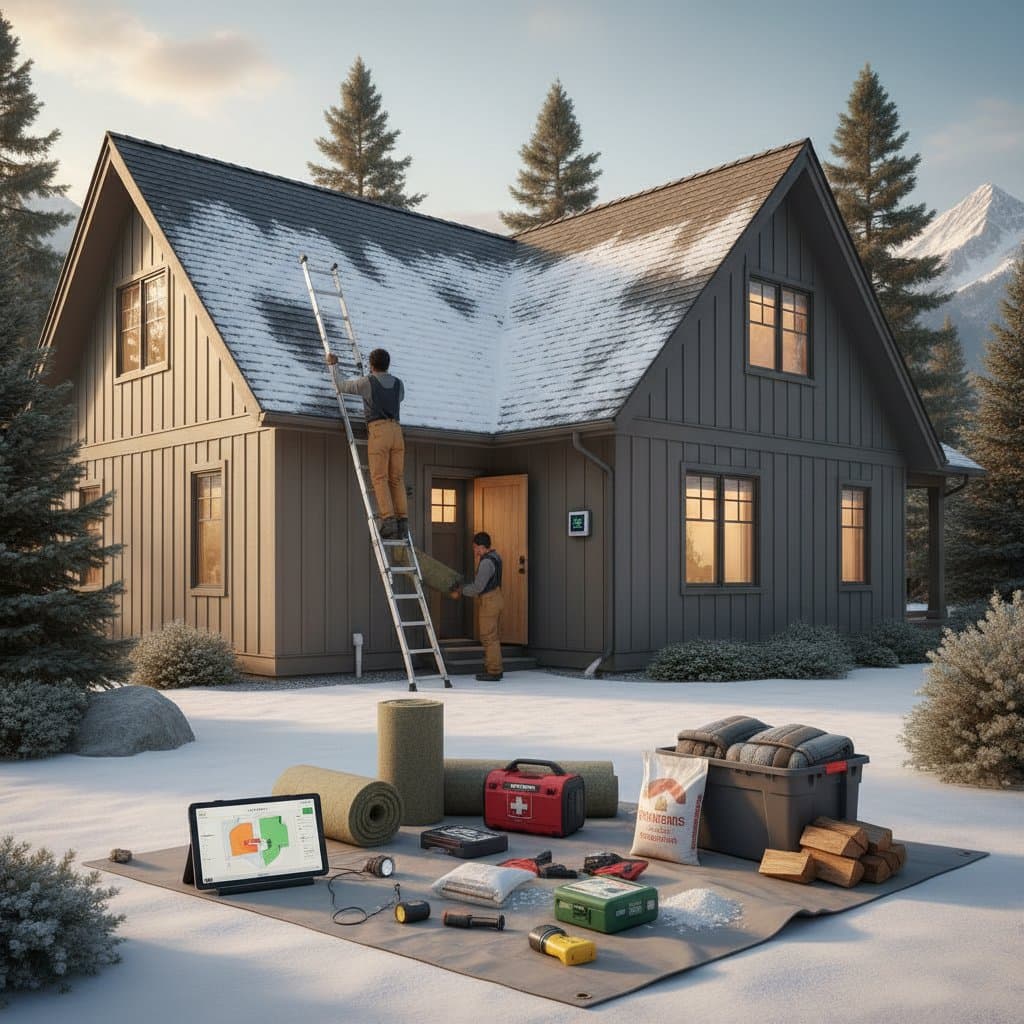
Essential Strategies for Winter Home Protection Against Storms
Preparation for winter begins well before the initial cold front arrives. Harsh winter conditions challenge every aspect of a home, from the roof to the foundation. Proactive measures, completed over a weekend, distinguish between minor issues and extensive, expensive repairs.
Benefits of Timely Winter Preparation
As temperatures plummet and precipitation turns to snow or ice, vulnerabilities in a home amplify rapidly. A single damaged shingle may lead to leaks, while obstructed gutters foster ice dams. Unaddressed insulation gaps increase heating expenses significantly. Homeowners who dedicate time to preparation sidestep urgent fixes that often exceed thousands of dollars. Initial investments in supplies and minor adjustments typically range from $200 to $800, far less than the costs of post-storm water intrusion or structural fixes.
Inspect and Fortify the Roof and Gutters
The roof serves as the primary barrier against winter elements. Conduct a thorough inspection for absent or fractured shingles. Visible light in the attic indicates potential water entry points. Promptly replace compromised shingles and examine flashing around chimneys and vents for deterioration.
Gutters require equal scrutiny. Remove accumulated leaves and debris, then test the system by flushing with water to verify drainage. In snow-heavy regions, install gutter guards to minimize blockage risks that contribute to ice dams. Ensure downspouts direct water at least five feet away from the foundation to avoid frozen pools that threaten concrete integrity.
For aging roofs or signs of sagging, engage a licensed roofing professional for a preseason evaluation. Such inspections generally cost less than $200 and reveal concealed problems early.
Enhance Sealing and Insulation for Energy Efficiency
Air leaks around doors and windows not only discomfort residents but also elevate energy use and burden heating equipment. On a breezy day, inspect these areas for drafts and apply weatherstripping or silicone caulk as necessary. For dated windows, affordable plastic insulation kits provide an effective, temporary solution to curb heat escape.
In the attic, insulation must cover floor joists completely. If joists remain exposed, supplement with additional material. Adequate insulation maintains interior warmth and mitigates ice dams by preserving a consistently cold roof temperature, preventing uneven snow melt. A standard attic insulation upgrade, handled as a DIY project, costs $500 to $1,500 based on materials and area, with potential savings of up to 20 percent on heating bills.
Safeguard Pipes and Plumbing Systems
Pipe freezing ranks among the leading winter hazards for homes. Target pipes in uninsulated areas like basements, crawl spaces, and garages by encasing them in foam sleeves or heat tape. Detach garden hoses and close outdoor faucets. During severe cold snaps, open under-sink cabinet doors to allow ambient heat to reach plumbing lines.
When absent from the home for over a day, maintain the thermostat at a minimum of 55 degrees Fahrenheit and isolate the main water supply. Unattended bursts can escalate into substantial flooding.
Prepare Power and Heating Infrastructure
Winter storms frequently cause outages that compromise both warmth and security. Arrange for professional servicing of the heating system prior to the season to confirm efficient, safe operation, particularly for gas or oil units. Replace air filters every month during peak usage.
For fireplace or wood stove users, schedule a chimney cleaning to eliminate creosote, a major fire risk. Maintain a secondary heating option, such as a kerosene heater or generator, and adhere strictly to safety guidelines and local codes to prevent carbon monoxide exposure.
In outage-prone locations, a generator transfer switch enables safe powering of critical circuits, eliminating the dangers of extension cords routed through openings.
Evaluate Exterior Features and Landscape
Circumvent your property to identify risks. Prune branches overhanging the roof or utility lines, as snow weight may cause fractures. Fasten loose outdoor items like furniture, grills, and holiday decor to resist wind displacement. On decks, coat surfaces with water-repellent sealant to withstand freeze-thaw expansion.
Verify that exterior vents for dryers and furnaces remain unobstructed. Debris accumulation can trap carbon monoxide indoors, posing severe health threats.
Assemble Emergency Supplies and Develop a Safety Plan
Equip every home with a dedicated winter kit including flashlights, extra batteries, blankets, bottled water, shelf-stable food, a first-aid kit, and a battery-operated radio. In areas susceptible to extended power failures, include fuel reserves, firewood, and a mobile device charger. Position salt or sand by entrances to combat icy surfaces.
Execute Your Preparation Plan Effectively
Divide tasks across the weekend for manageability: dedicate the first day to roof and gutter maintenance, the second to insulation and plumbing safeguards, and the third to outdoor assessments and kit assembly.
These preparations extend beyond mere endurance of winter weather. They preserve your home's value, minimize disruptions, and foster a secure environment for your household, regardless of meteorological challenges.