
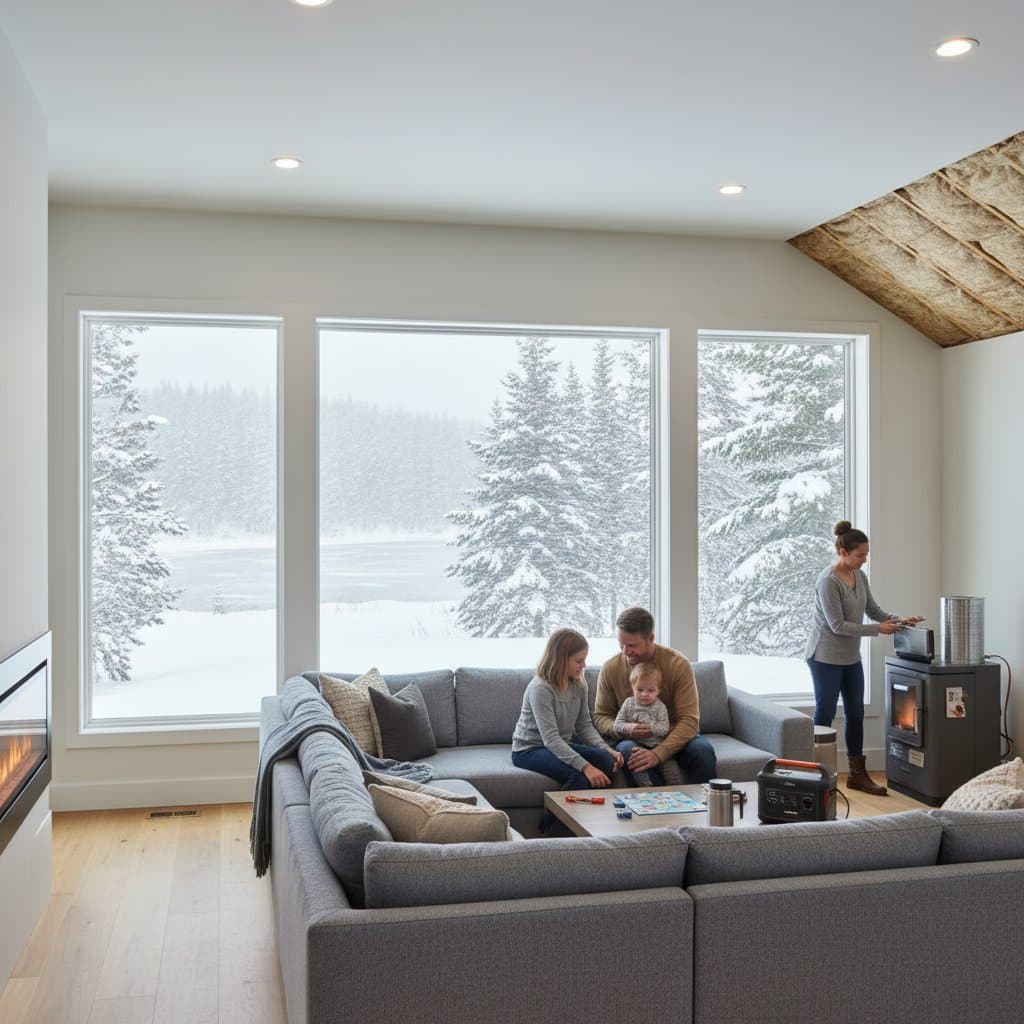
Essential Strategies to Protect Your Home from Winter Storms
Winter forecasts of freezing temperatures and heavy snow often prompt homeowners to take action. Preparation before the season arrives forms the foundation of effective protection. Storms bring challenges beyond snow accumulation and icy surfaces, including potential roof failures, burst pipes, and elevated energy expenses if vulnerabilities exist.
Most preventive measures require straightforward efforts that fit into a weekend schedule with proper guidance. This article outlines key inspections, repairs, and professional considerations to fortify your home. Follow these steps to minimize risks, lower costs, and maintain a secure, efficient living space during severe weather.
Inspect and Reinforce Your Roof
Roofs endure the brunt of winter storms through snow loads and ice buildup. A thorough inspection identifies weaknesses that could lead to leaks or structural issues.
Key Inspections:
- Examine shingles for cracks, missing pieces, or curling edges.
- Check flashing around chimneys, vents, and skylights for secure seals.
- Assess the roof's slope and ensure gutters direct water away from the foundation.
Reinforcement Actions:
- Secure loose shingles with roofing cement or replace damaged ones; materials cost about $20 to $50 per bundle.
- Trim overhanging branches that could drop debris or ice onto the roof.
- For steep or complex roofs, hire a professional roofer for a full evaluation, which typically ranges from $200 to $500.
Early attention to roof integrity prevents water intrusion and extends the lifespan of your home's exterior. Ice dams, formed by poor attic ventilation, often indicate underlying problems that demand immediate correction.
Insulation and Air Sealing
Proper insulation maintains indoor temperatures and reduces energy consumption. Gaps in the building envelope allow heat to escape, forcing heating systems to operate inefficiently.
DIY Inspections:
- On a breezy day, use a lit incense stick near windows, doors, and electrical outlets; smoke movement reveals leaks.
- Measure attic insulation to a depth of at least 12 to 15 inches, depending on your climate zone.
- Inspect areas around pipes, ducts, and electrical wiring for voids.
Improvement Measures:
- Install weatherstripping on door and window frames; budget $50 to $100 for supplies.
- Apply caulk to small fissures or use expanding foam for larger gaps.
- Fit door sweeps under exterior doors to block ground-level drafts.
- If attic insulation appears settled or thin, add blown-in cellulose or fiberglass; professional services for an average home cost approximately $1,500, with returns through reduced utility bills.
Addressing insulation early avoids ice dams at roof edges, which signal ventilation issues and can cause interior damage over time.
Protect Pipes from Freezing
Exposed pipes rank among the most vulnerable elements in winter, with freezing leading to bursts and flooding. Proactive steps safeguard plumbing systems against temperature drops.
Inspection Checklist:
- Locate all exposed pipes in unheated areas like basements, crawl spaces, and garages.
- Check for insulation coverage on water lines and ensure shut-off valves function properly.
- Identify pipes near exterior walls or windows that receive cold drafts.
Protective Steps:
- Wrap pipes with foam sleeves or heat tape; kits start at $20 and cover multiple sections.
- Insulate walls and cabinets enclosing plumbing to add an extra layer of defense.
- Keep cabinet doors open during cold spells to allow warm air circulation, and maintain a minimum indoor temperature of 55 degrees Fahrenheit.
- For vacant properties, drain systems by shutting off the main water supply and opening faucets to release residual water.
These precautions prevent thousands in repair costs from a single incident. In regions with frequent deep freezes, consider professional pipe wrapping for comprehensive coverage.
Windows, Doors, and Draft Barriers
Windows and doors serve as primary pathways for heat loss if seals degrade. Upgrading these elements enhances energy efficiency and comfort.
Assessment Methods:
- Feel for air movement around frames on cooler days.
- Test window operation for smooth closing and latching.
- Evaluate glass type; single-pane units lose heat rapidly compared to double- or triple-pane options.
Upgrade Options:
- Apply transparent plastic sheeting to interior window surfaces for a temporary insulating layer.
- Hang insulated curtains or cellular shades to trap warmth, especially at night.
- Install exterior storm panels if budget allows; they reduce heat loss by up to 50 percent.
Replacing outdated windows yields significant savings, potentially lowering heating bills by 25 percent, though costs average $500 to $900 per unit. Simpler fixes like recaulking frames provide quick improvements. Maximize passive solar gain by opening south-facing coverings during sunny hours and closing them after sunset.
Maintain Your Heating System
A reliable heating system ensures consistent warmth, but neglect can lead to breakdowns during peak demand. Regular maintenance keeps operations smooth and efficient.
Routine Checks:
- Replace or clean air filters monthly to maintain airflow.
- Inspect the furnace or boiler for unusual noises, odors, or error codes.
- Verify thermostat settings and battery life in programmable models.
Maintenance Actions:
- Schedule an annual professional tune-up, costing $75 to $200, to adjust burners and check safety controls.
- Bleed radiators to remove air pockets and improve circulation.
- Seal ductwork joints with mastic tape to prevent conditioned air loss, which can account for 20 percent of inefficiency.
Proper upkeep not only prevents failures but also optimizes fuel use, cutting costs amid rising energy prices. For homes with alternative systems like heat pumps, ensure outdoor units remain clear of debris.
Emergency Power and Backup Plans
Power disruptions from storms can extend for extended periods, compromising heat, lighting, and appliances. Advance planning sustains essential functions.
Preparation Essentials:
- Select a generator suited to your needs; portable models begin at $500 for basic power.
- Store fuel in approved containers outside, away from living areas.
- Assemble kits with flashlights, lanterns, and rechargeable batteries.
- Pre-charge devices and maintain a stock of extension cords rated for outdoor use.
- Acquire a hand-crank or battery-operated radio for weather alerts.
For sump pumps, add a backup battery unit priced at $250 to $600 to avoid flood risks during blackouts. Test all equipment seasonally to confirm reliability. These measures preserve safety and normalcy when grid power fails.
Clear Gutters and Improve Drainage
Clogged gutters exacerbate storm damage by allowing water to pool and infiltrate structures. Effective drainage channels moisture away from vulnerable areas.
Inspection Points:
- Climb a ladder to view downspouts and gutters for blockages from leaves or debris.
- Ensure extensions direct runoff at least five feet from the foundation.
Clearing Steps:
- Flush gutters with a garden hose or use a leaf blower for dry removal.
- Install gutter guards to minimize future buildup; screens cost $5 to $10 per linear foot.
- Grade soil around the home to slope away from walls, preventing puddles.
Routine clearing, ideally in fall, averts foundation erosion and siding damage. Professional cleaning services run $100 to $250 for standard homes.
Safe Outdoor Equipment Storage
Exposed outdoor items suffer from moisture and freeze-thaw cycles, accelerating wear. Proper storage preserves functionality and reduces replacement needs.
Storage Practices:
- Thoroughly clean grills, tools, and furniture to remove residues.
- Lubricate metal parts with a protective spray to deter corrosion.
- Secure covers with straps or relocate items to sheltered spaces like garages.
- Disconnect and store fuel sources, such as propane tanks, in ventilated outdoor spots.
These habits extend equipment life and eliminate loose objects that storms could turn into projectiles. A dedicated storage area also streamlines spring setup.
Indoor Safety and Comfort Planning
Beyond structural protections, household readiness focuses on personal well-being during confinements or outages.
Readiness Items:
- Gather wool blankets, layered clothing, and insulated bedding.
- Stock three days' worth of canned goods, water, and manual can openers.
- Refill prescriptions and include pet food in supplies.
- Place fire extinguishers near heat sources and maintain a stocked first-aid station.
For fireplaces, arrange seasoned firewood and book a chimney sweep to remove soot, priced at $150 to $300. These preparations foster resilience and peace of mind.
Sustain Winter Protections Year-Round
Implementing these strategies fortifies your home against winter threats and yields ongoing benefits like lower energy use and fewer surprises. Revisit inspections as seasons change to address emerging issues promptly. With consistent care, your property remains a reliable haven through every storm, supporting long-term value and comfort.