
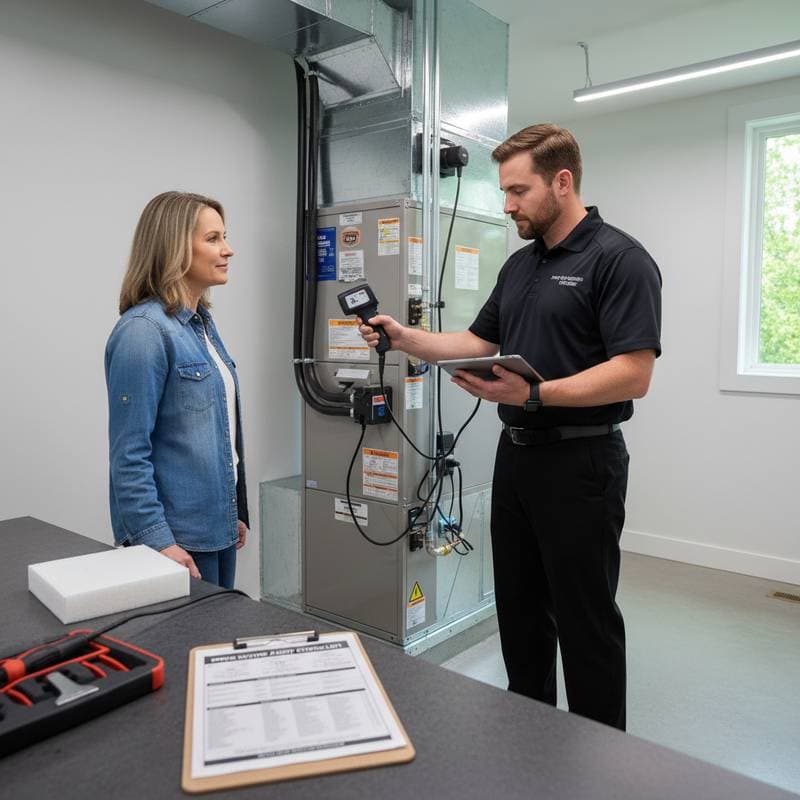
Prepare Your Home for Efficiency: The Value of a Spring HVAC Audit
High energy bills after winter often signal an HVAC system that has labored excessively. These systems manage heating and cooling, yet inefficiencies can lead to substantial waste. Spring provides an ideal opportunity to assess and optimize the system before summer demands increase. An HVAC energy audit identifies areas of loss, enhances comfort levels, and typically reduces energy expenses by 10 to 30 percent, based on the system's current state.
View the audit as a diagnostic evaluation for the home's climate control. Both professional services and detailed self-inspections reveal minor problems that could escalate into major expenses. Simple adjustments often yield significant gains without requiring large investments.
Key Components of an HVAC Energy Audit
An HVAC energy audit evaluates the operational efficiency of heating and cooling equipment alongside the home's ability to maintain conditioned air. Professionals or informed homeowners examine several critical areas to pinpoint inefficiencies. The following elements form the core of a comprehensive audit.
-
Airflow and Duct Assessment
Technicians employ tools to measure air movement within ducts, identifying leaks or obstructions. Minor openings in ductwork can result in up to 20 percent loss of conditioned air. Sealing these gaps restores full system capacity and prevents energy escape. -
Filter and Coil Examination
Accumulated dirt on filters and coils compels the system to consume additional power. Homeowners can clean accessible coils with a soft brush and mild detergent, while filters require replacement every one to three months. These actions immediately alleviate strain on the equipment. -
Thermostat Accuracy Check
Inaccurate thermostats trigger excessive operation cycles. Calibrate by comparing the device's reading to an independent thermometer placed nearby. Proper adjustment ensures precise control and avoids overworking the system. -
Refrigerant Level Verification
Insufficient refrigerant diminishes cooling performance and risks compressor failure. Only certified technicians should handle detection and replenishment due to the involvement of pressurized gases. Regular checks maintain optimal heat exchange. -
Blower Motor and Fan Review
Inefficient motors increase electricity usage for air circulation. Inspect for loose belts and apply lubricant to bearings as specified in the unit's manual. Balanced operation supports steady airflow without excess power draw. -
Insulation and Air Sealing Inspection
Poor insulation in attics or walls allows conditioned air to escape. Use a flashlight to scan for drafts around windows and doors, then apply caulk or weatherstripping. Enhanced sealing complements the HVAC system's efforts. -
Overall System Performance Analysis
Compare current output against the manufacturer's benchmarks to determine efficiency. Older units may benefit from targeted repairs, while evaluations guide decisions on upgrades. This step informs long-term cost-saving strategies.
Insights from a Professional Audit
Certified auditors deploy advanced tools such as blower door tests, thermal imaging cameras, and precision airflow gauges to uncover hidden issues. The assessment spans two to four hours, culminating in a prioritized report of recommendations. This document categorizes suggestions by implementation ease and potential savings.
Recommendations often fall into three tiers:
-
Quick Resolutions: Swap out dirty filters, seal minor duct leaks, or recalibrate the thermostat for immediate relief.
-
Intermediate Enhancements: Install additional insulation, repair compromised ducts, or integrate a programmable thermostat for automated adjustments.
-
Strategic Upgrades: Replace aging equipment with energy-efficient models or incorporate zoning systems to direct air where needed most.
Utility providers frequently subsidize audits or offer rebates during spring to promote pre-summer preparations. Contact local energy offices to explore available incentives, which can offset expenses significantly.
Prioritizing Safety and Air Quality
Safety remains paramount during any HVAC inspection. Disconnect power at the circuit breaker before accessing internal components or examining electrical connections. Seek professional intervention for signs of damaged wiring, unusual odors, or refrigerant seepage, as these demand expert handling.
Audits also elevate indoor air quality, particularly as outdoor allergens intensify. Clogged filters and dusty coils distribute particles throughout the home. Routine cleaning reduces these contaminants, fostering a healthier living environment.
For homes with gas-fired heating, include a carbon monoxide detection test within the audit. Professionals perform this evaluation routinely, identifying potential hazards early. Such precautions safeguard occupant well-being.
Practical Strategies for Effective Audits
-
Book Appointments Promptly: Reserve a slot early in spring to secure availability before air conditioning season peaks.
-
Integrate Broader Assessments: Combine the HVAC review with a full home energy evaluation to address insulation and sealing comprehensively.
-
Monitor Usage Changes: Retain records of previous utility statements to quantify reductions post-audit.
-
Inquire on Financial Aids: Research regional programs supporting duct repairs, thermostat installations, or equipment modernizations.
-
Establish Routine Care: Refresh filters monthly during high-use periods, remove outdoor unit debris, and arrange biannual professional servicing.
Sustaining Audit-Driven Improvements
Efficiency gains from a spring audit endure through deliberate upkeep. Schedule filter changes aligned with seasonal shifts and inspect outdoor units for obstructions quarterly. Adjust thermostat settings to optimize daily patterns, such as lowering temperatures when the home stands empty.
These practices extend equipment lifespan and stabilize energy costs. A proactive approach transforms routine maintenance into ongoing savings, ensuring reliable performance through every season.