
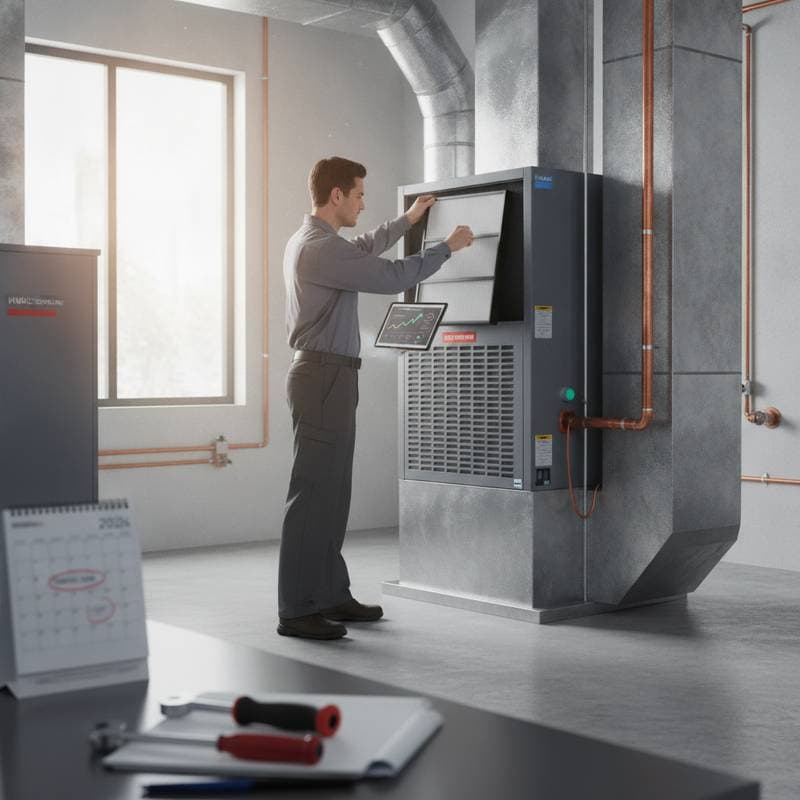
Spring Prep: Adapting HVAC to New 2026 Filter Rules
Homeowners must prepare their HVAC systems for new air filter standards that take effect in 2026. These regulations will alter filter ratings and allowable materials. Spring offers an optimal window for inspections and adjustments before summer cooling demands increase.
Why the New Filter Rules Matter
Updated standards raise efficiency and air quality thresholds for residential and light commercial systems. Filters must trap finer particles such as dust and allergens. This shift affects airflow through ducts and overall energy consumption.
Higher efficiency filters can restrict airflow when a system lacks proper design. Restricted airflow increases strain on the blower motor, produces uneven temperatures, and shortens equipment life. The objective remains compliance without compromising performance.
What Homeowners Should Expect
Most homeowners will encounter higher Minimum Efficiency Reporting Value ratings on approved filters. The rules favor mid to high range MERV options that balance particle capture with airflow. Replacement costs typically range from twenty to sixty dollars per filter based on size and brand. Systems using basic fiberglass filters require upgrades to pleated or electrostatic models.
Older units may need blower or duct modifications to accommodate increased resistance. A licensed technician measures static pressure to confirm safe operation with upgraded filters.
Step by Step Preparation
Follow these actions this spring:
- Verify filter size and fit to prevent air bypass around edges.
- Examine the blower compartment for dust accumulation indicating inadequate prior filtration.
- Assess room to room airflow consistency.
- Arrange a static pressure test with a technician to evaluate system capacity.
- Consider variable speed blowers or duct adjustments when recommended.
Cost and Return on Investment
Professional evaluation and minor adjustments usually total between one hundred fifty and five hundred dollars. Larger upgrades such as variable speed motors reach eight hundred dollars or more yet recover costs through reduced energy use and extended equipment life.
Improved filtration lowers indoor allergens and dust levels. Households with pets or respiratory sensitivities notice fewer cleaning needs and greater comfort.
Warning Signs in Contractor Practices
Select contractors carefully. Avoid those who recommend full replacements without airflow testing, use vague efficiency claims without MERV specifics, overlook duct dimensions, or skip written pressure reports.
Request proof of state licensing and adherence to manufacturer guidelines.
Professional Service Versus Homeowner Tasks
Basic filter changes remain suitable for homeowners. System modifications for compliance require licensed technicians to preserve warranties and meet inspection standards. Homeowners can still support performance by replacing filters every one to three months, clearing vents, vacuuming registers, and tracking energy bill changes.
Optimal Timing
Spring scheduling provides contractor availability and mild conditions for testing. Delaying until peak season raises costs and wait times.
Ongoing System Care
Schedule tune ups twice annually. Install only filters meeting the new ratings. Maintain service records. Clear debris from outdoor units.
Practical Recommendations
Measure filter dimensions before purchase. Match MERV ratings to system capabilities. Retain all receipts and documentation. Inquire about utility rebates for compliant upgrades.
These steps protect indoor air quality, control energy expenses, and position systems for regulatory compliance.