
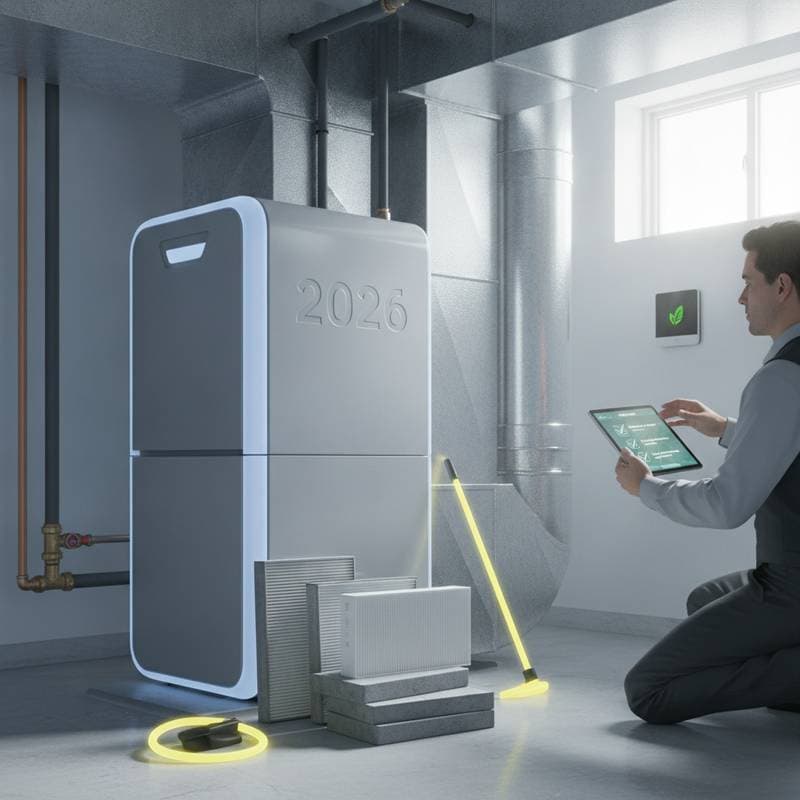
Meet 2026 HVAC Standards With Spring Efficiency Prep
The quiet hum of an air conditioner reveals much about household energy consumption. New efficiency standards will soon raise performance requirements for cooling and heating equipment. Spring provides an optimal window for preparation because mild weather reduces service demand and allows thorough system checks before peak summer loads arrive.
This guide explains the regulatory changes, outlines practical maintenance steps, and highlights decisions that maintain comfort while controlling costs.
Understanding the Upcoming HVAC Standards
Federal efficiency rules increase minimum Seasonal Energy Efficiency Ratio ratings for air conditioners and Heating Seasonal Performance Factor ratings for heat pumps. These metrics measure cooling or heating output relative to energy input.
Units installed several years ago often fall below the new thresholds. Although replacement remains optional for working equipment, older systems face higher operating costs and reduced parts availability over time. A technician can measure current ratings and project future performance.
Step-by-Step Spring Efficiency Checklist
- Replace or upgrade air filters every one to three months. High-efficiency MERV 11 filters improve air quality and can lower energy use by up to 15 percent.
- Rinse outdoor condenser coils with low-pressure water after shutting off power. Clean coils enhance heat transfer and reduce compressor strain.
- Seal visible duct joints with mastic or metal tape and add insulation in attics or crawl spaces. This step recovers up to 30 percent of otherwise lost conditioned air.
- Verify thermostat accuracy with a separate thermometer. A smart model that follows occupancy patterns typically cuts annual HVAC energy consumption by about 10 percent.
- Inspect refrigerant lines for frost or oil residue and clear the condensate drain with diluted vinegar to prevent clogs and moisture damage.
- Walk through each room while the system operates to identify temperature differences. Adjust vents or request a static-pressure test if imbalances persist.
When to Schedule Professional Service
Homeowners can complete filter changes, coil rinsing, and basic vent checks. Tasks involving refrigerant or electrical components require licensed technicians.
Contact a professional when any of the following appear: unusual noises or vibrations, weak airflow after filter replacement, ice on coils, uneven room temperatures, or unexplained increases in utility bills. A spring tune-up costs between 125 and 250 dollars and includes performance verification that aligns the system with upcoming standards.
Regional and Climate Considerations
Equipment selection must match local conditions. Coastal humidity demands different coil and airflow designs than dry inland climates. Contractors can match models to regional rating zones so that efficiency gains remain consistent year-round.
Addressing Minor Performance Issues
Weak airflow often traces to clogged filters or disconnected ducts. Short cycling may result from thermostat error or low refrigerant. Musty odors suggest mold in drain pans, while burning smells indicate electrical faults that need immediate attention. Recording each service visit helps track gradual changes in system behavior.
Achieving Sustained Efficiency Gains
Consistent spring maintenance extends equipment life, stabilizes energy expenses, and positions the home for smoother compliance when new standards take effect. Homeowners who complete these steps early avoid summer service delays and secure measurable reductions in operating costs.