
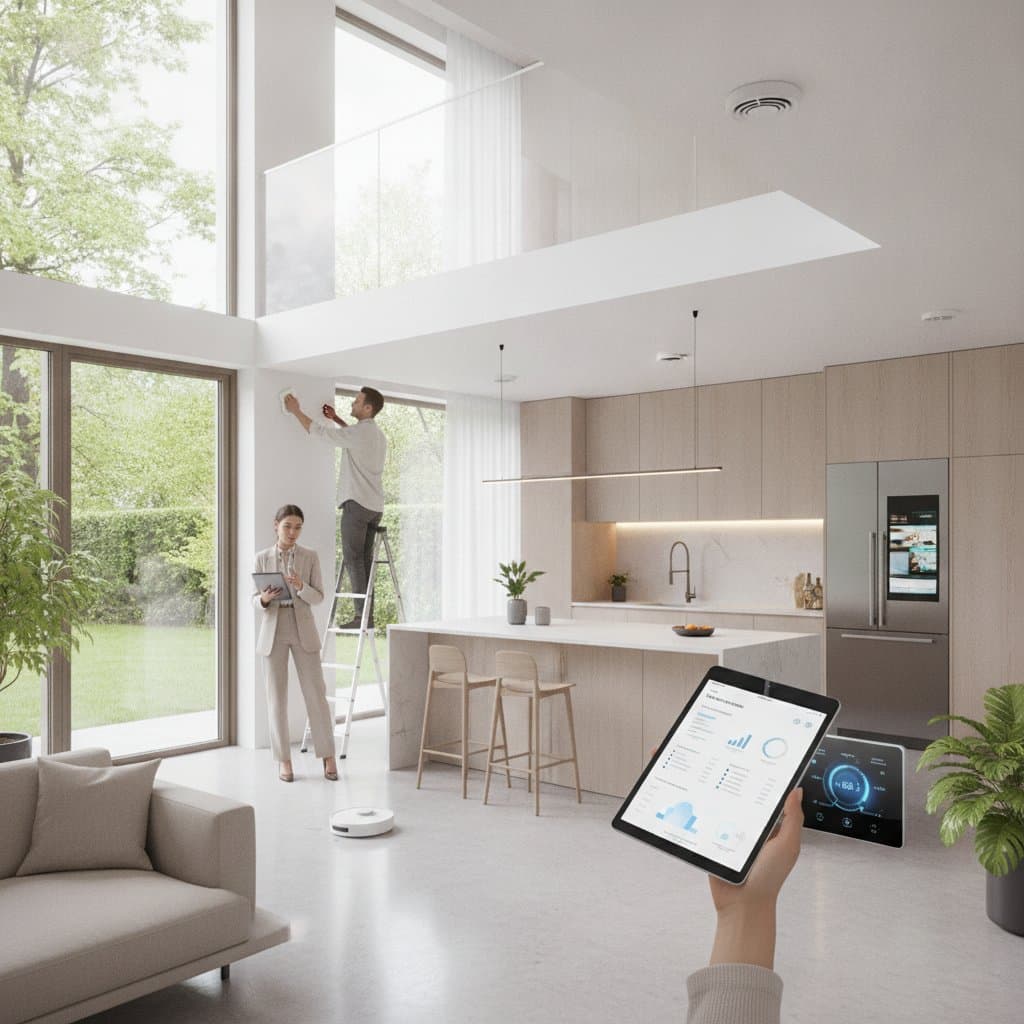
Spring Tech Audit Prevents Costly Home Repairs
A spring home tech audit keeps smart systems efficient, safe, and cost effective. Seasonal maintenance uncovers hidden inefficiencies, optimizes energy use, and extends equipment life. Simple checks combined with data insights improve overall home performance.
Why a Tech Audit Fits into Spring Routines
Spring is the right season to examine smart systems after months of indoor use. Dust, temperature shifts, and continuous operation affect both mechanical parts and digital connections. An audit prepares systems for warmer weather and reduces energy waste.
The process also reveals energy patterns that support better decisions on upgrades such as insulation sensors or solar integration. View the audit as a routine health check that combines maintenance with performance insights.
Assess the Smart HVAC System
Reset the smart thermostat from winter settings. Clean or replace air filters because clogged filters lower efficiency by up to 15 percent. Inspect vents for dust that restricts airflow.
Run a diagnostic through the thermostat app to verify proper cycling. Compare current energy reports with last year data to detect spikes that may indicate leaks or sensor faults.
Professional HVAC inspection costs between 100 and 200 dollars. DIY filter replacement and cleaning usually stays under 40 dollars. Allow about two hours for a complete check.
Evaluate Smart Lighting and Electrical Systems
Re synchronize smart bulbs and plugs with their schedules. Replace any bulbs that flicker or respond inconsistently. Review app data to find lights that stay on during daylight hours.
Test surge protectors and unplug unused devices to cut phantom energy draw, which can represent 5 to 10 percent of the energy bill. High efficiency smart LEDs cost 10 to 25 dollars each yet save up to 50 dollars annually per fixture. Plan one to two hours depending on home size.
Inspect Security Devices and Sensors
Verify that cameras, motion sensors, and alarms remain connected to the network. Replace weak batteries and test alerts to confirm instant phone notifications. Clean outdoor camera lenses and remove any obstructions such as condensation or insect nests.
Confirm that door and window sensors trigger correctly. Recalibrate settings if false alarms occur. Battery replacements start at 10 dollars while professional recalibration ranges from 80 to 150 dollars. A full inspection takes roughly ninety minutes.
Test Water and Leak Detection Systems
Examine each leak sensor for corrosion. Dampen the detection pad to confirm proper response. Verify that automatic shutoff valves activate quickly.
Check Wi Fi connections and reposition routers or add extenders if signals are weak in basements or laundry areas. Faulty sensor replacement costs 30 to 60 dollars each. Professional plumbing integration averages 120 to 250 dollars. Testing and adjustments require about one hour.
Analyze Energy Data and Automation Settings
Review app dashboards for unexpected consumption patterns. Adjust schedules to align with longer daylight hours. Fine tuning automations often reduces monthly energy costs by 5 to 15 percent.
Link systems so the thermostat eases back when motion sensors detect an empty home. These refinements turn raw data into measurable savings.
Decide When Professional Help Is Needed
Call a certified technician if the HVAC system remains noisy after cleaning or if energy reports show unexplained spikes. Seek professionals certified through recognized programs such as NATE. Confirm that any electrical or plumbing work is performed by licensed and insured providers.
Track Adjustments for Future Reference
Record every change and reading in a simple spreadsheet or digital note. This log helps identify recurring issues and guides upgrade planning. Consistent documentation turns one time maintenance into long term performance gains.