
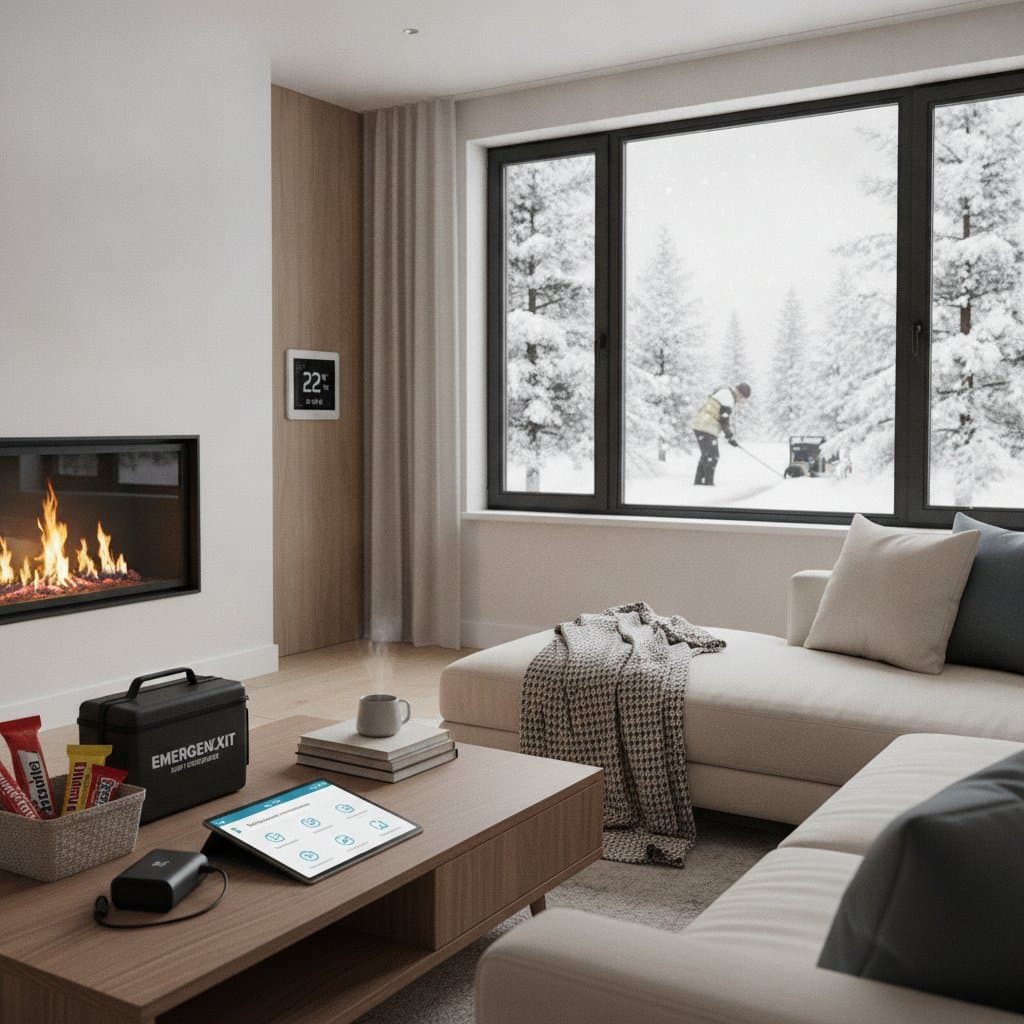
Essential Winter Storm Prep Checklist for Your Home
Preparation for winter storms requires proactive steps to safeguard your property against snow, ice, and power disruptions. Breaking tasks into categories allows for efficient completion before cold weather arrives. This guide provides detailed actions, estimated costs, and guidance on professional assistance.
Heating and Power Reliability
Schedule Furnace Maintenance
Your heating system works hardest during storms, so it must remain in top condition. Schedule a professional tune up to clean burners, check airflow, and verify safety controls. A standard service costs between 100 and 200 dollars. Replace air filters monthly to maintain efficiency. Ask your technician about efficiency testing if the system is older. A high efficiency furnace can reduce energy bills by up to 30 percent.
Prepare Backup Heat and Power Options
Loss of electricity during a winter storm can cause indoor temperatures to drop rapidly. Portable generators range from 400 to 1500 dollars depending on wattage. Operate them outside with proper ventilation to prevent carbon monoxide buildup. For extended outages consider a standby generator that activates automatically. Installation costs range from 3000 to 8000 dollars. Store extra fuel in approved containers away from heat sources.
Use space heaters that run on propane or kerosene only when rated for indoor use and equipped with automatic shut off features. Never leave these units unattended.
Outdoor Preparations
Winterize Outdoor Equipment
Drain garden hoses and shut off exterior spigots to prevent freezing. Move furniture, planters, and grills into storage or cover them with waterproof tarps. Service snowblowers before the first storm. Replace spark plugs and add fuel stabilizer at a cost under 30 dollars. Keep a sturdy snow shovel and ice melt near the entryway.
Check Trees and Power Lines
Overhanging branches can break under snow weight and damage roofs or power lines. Trim limbs near the house or driveway. An arborist charges between 200 and 600 dollars for moderate pruning. Avoid trimming near electrical lines yourself. Contact the utility company for professional clearance.
Insurance and Documentation Readiness
Review your homeowner insurance policy before storms arrive. Confirm coverage for wind, ice, and water damage. Photograph or video the current condition of your home and store copies of important documents in a waterproof container or cloud service. Add flood coverage if you live in a prone area because standard policies often exclude it. Include contact information for plumbers, electricians, and your insurer in your emergency list.
Professional Help versus DIY Decisions
Homeowners with moderate experience can seal windows, insulate pipes, and check filters. Leave electrical, gas, and roofing work to licensed professionals. Verify credentials and insurance before hiring. Look for certifications from the Building Performance Institute or local licensing boards.
Pro Tips for Success
- Begin preparation early because contractors and stores become overwhelmed once storm warnings are issued.
- Test generators, sump pumps, and fireplaces before they are needed.
- Maintain a list of emergency contacts and check on neighbors, especially older residents.
- Keep indoor humidity between 30 and 50 percent to prevent condensation and mold.
- Record what worked after each season and adjust the checklist accordingly.
Ongoing Property Protection
After initial winterization continue to inspect seals, clear snow from vents, and maintain safe pathways with sand or ice melt. Walk the property after each major storm to identify damage promptly. Consistent attention preserves comfort and prevents costly repairs throughout the season.