
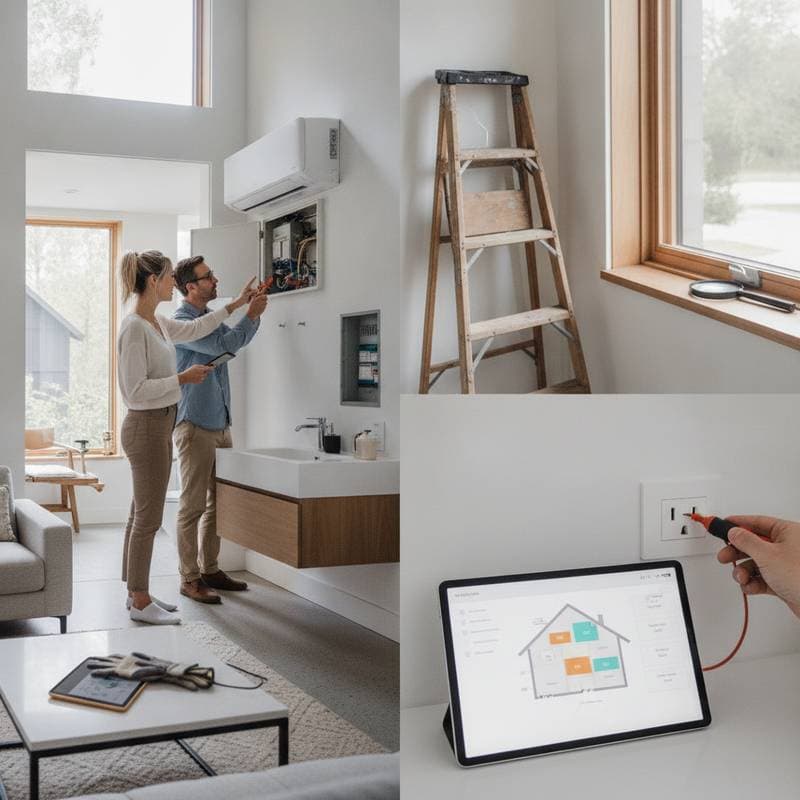
The Quarterly Home Systems Audit: Keeping Your Home Working Like It Should
Small changes in sound or performance often signal the need for attention. A quarterly home systems audit converts these observations into a preventive routine. This approach addresses HVAC, plumbing, electrical, and structural elements before issues escalate.
The process builds familiarity with each system. Homeowners gain the ability to maintain efficiency, safety, and comfort through consistent observation.
HVAC Systems
Furnaces, air conditioners, and ventilation units operate most effectively when filters and connections remain clean. Neglect here raises energy costs and reduces indoor air quality.
Quarterly tasks:
- Replace or clean air filters according to manufacturer guidelines.
- Clear debris from outdoor condenser units.
- Verify thermostat settings and test heating and cooling cycles.
- Inspect accessible ductwork for loose connections or visible damage.
Professional check trigger: Unusual noises, uneven temperatures, or rising utility bills indicate the need for a technician.
Typical costs: Filter replacements often stay under 50 dollars when completed independently. Professional tune ups range from 150 to 350 dollars and frequently prevent larger repairs.
Electrical Systems
Wiring and outlets support daily activities yet remain hidden until problems appear. Regular review reduces fire risk and maintains reliable power delivery.
Quarterly tasks:
- Test ground fault circuit interrupter outlets in kitchens and bathrooms.
- Examine visible cords and plugs for fraying or heat damage.
- Confirm that breaker panels show no signs of corrosion or tripping.
- Check exterior lighting and outlets for weather related wear.
Professional check trigger: Frequent breaker trips, flickering lights, or warm outlets require immediate expert assessment.
Typical costs: Basic outlet testers cost less than 20 dollars. Licensed electrician visits average 200 to 400 dollars and provide documentation for insurance purposes.
Plumbing and Water Systems
A dripping faucet or slow drain might not seem urgent, yet neglected plumbing can lead to costly damage.
Quarterly tasks:
- Inspect under sinks for moisture or signs of corrosion.
- Test water pressure at multiple fixtures.
- Flush the water heater to remove sediment buildup.
- Run water in guest bathrooms to prevent stagnant odors.
Professional check trigger: Gurgling sounds, discolored water, or sudden pressure drops warrant a plumber visit.
Typical costs: Minor DIY fixes often remain under 50 dollars. Professional inspections average 150 to 300 dollars, with early leak detection providing substantial long term savings.
Structural and Exterior Systems
Your home outer shell protects everything inside. Regular attention to roofing, gutters, and drainage prevents structural wear that can become expensive fast.
Inspection tasks:
- Clear gutters and check for sagging sections.
- Look for cracks in foundation walls or around windows.
- Inspect roofing for missing shingles or flashing gaps.
- Check exterior caulking and weather stripping.
Professional check trigger: Persistent leaks or visible foundation movement require expert evaluation.
Typical costs: Basic tools may cost 50 to 100 dollars upfront. Professional roof inspections range from 150 to 400 dollars and often prevent thousands in future repairs.
Building a Sustainable Audit Habit
Treat the quarterly audit as a recurring conversation with the home. Dedicate one weekend every three months to review each system in sequence. Maintain a simple notebook or digital log that records filter changes, inspection notes, and repair dates.
For sustainability minded homeowners this record supports smarter resource decisions. Tracking energy and water use reveals opportunities for low flow fixtures or added insulation that lower environmental impact while preserving comfort.
Pro Tips for Success
- Prioritize safety first. Always turn off power or water before inspecting connected systems.
- Use your senses. Listen for unusual sounds, look for discoloration or moisture, and note any new odors.
- Balance DIY with professional help. Simple cleaning, tightening, and testing can be handled independently, but specialized diagnostics should be left to certified experts.
- Plan seasonal upgrades. Schedule insulation checks before cold months and inspect irrigation systems before summer heat.
- Keep emergency contacts handy. Store reliable plumber, electrician, and HVAC technician numbers in your phone to reduce stress during urgent situations.
Protecting Long Term Value
Every system in a home has an expected lifespan. Consistent maintenance extends those years and limits surprise expenses. A quarterly audit places the homeowner in control and supports healthier daily living.
Approaching these reviews as routine care shifts the focus from repairs to ongoing stewardship. This perspective turns home ownership into a deliberate practice centered on awareness and responsibility.