
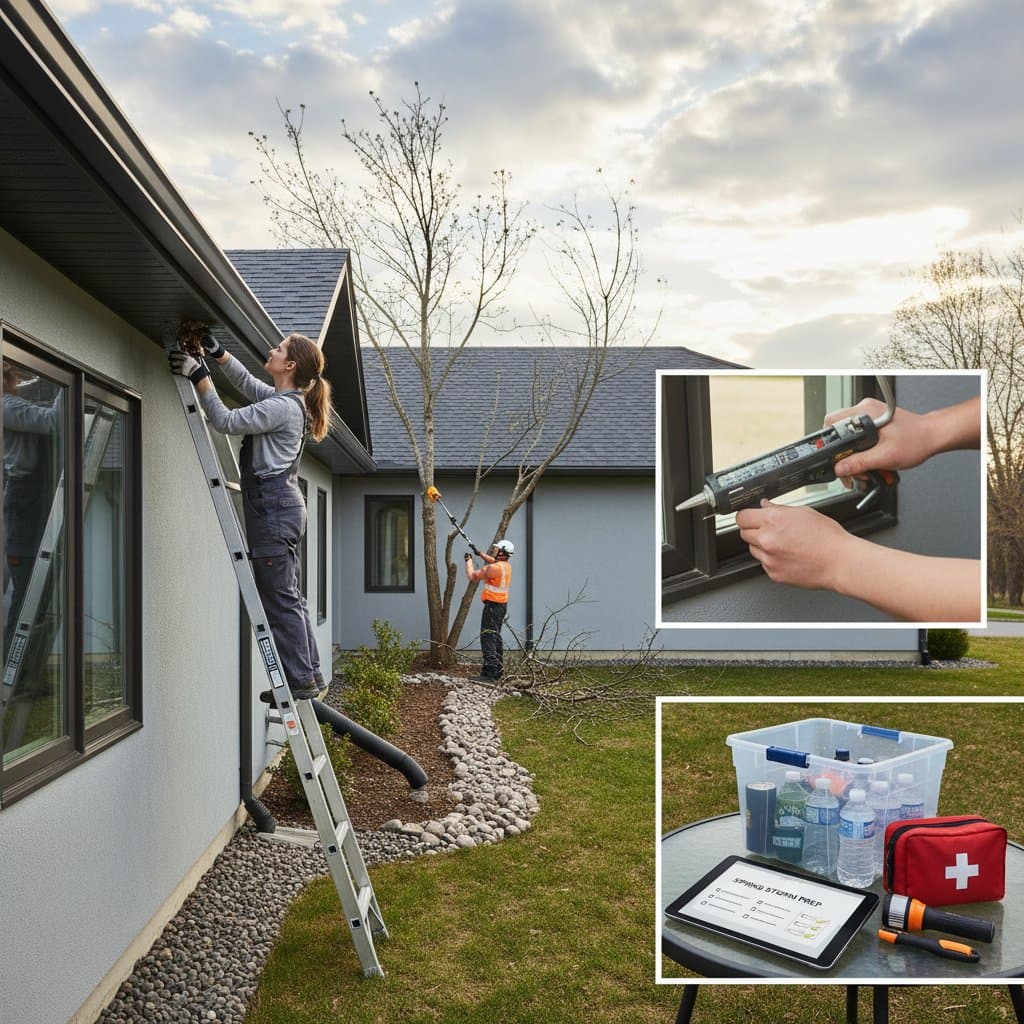
Safeguard Your Home from Spring Storms: Essential Preparation Steps
Spring storms develop rapidly, often delivering intense rain, high winds, and hail that test the resilience of any structure. Homes emerging from winter may harbor hidden vulnerabilities, such as damaged roofing materials or saturated soil around foundations. Proactive inspection and maintenance transform potential disasters into manageable events, preserving both property and peace of mind.
This guide provides a structured checklist, starting with exterior assessments and progressing to internal safeguards. Each step includes practical actions tailored for homeowners, ensuring comprehensive protection before the season intensifies.
Roof and Gutter Maintenance
The roof serves as the primary barrier against storm elements, yet it endures the harshest exposure. Begin preparations by climbing a stable ladder or hiring a professional to evaluate its condition thoroughly.
- Inspect shingles for cracks, missing pieces, or curling edges; replace any damaged ones promptly to prevent leaks.
- Clean gutters and downspouts of leaves, twigs, and debris; ensure free flow by flushing with a garden hose.
- Secure loose flashing around chimneys, vents, and skylights using roofing sealant to block water entry points.
For homes in hail-prone areas, consider upgrading to impact-resistant shingles, which withstand strikes better than standard varieties. Installation costs typically range from $100 to $200 per roofing square, offering long-term durability against seasonal assaults.
Regular roof care not only averts immediate storm damage but also extends the lifespan of the entire system, reducing future replacement expenses.
Windows, Doors, and Entry Points
Horizontal winds during storms propel rain toward windows and doors, exploiting any gaps in seals. Conduct a systematic exterior walkthrough on a calm day to identify and address these weaknesses.
- Apply fresh weather-resistant caulk to cracked or deteriorated seals around frames, focusing on corners and sills.
- Install or replace weatherstripping on doors and operable windows to create airtight barriers against driven moisture.
- Examine and repair window screens, tightening frames and patching tears to resist wind-blown debris.
In regions with tornado risks, apply impact-resistant window film as an additional defense. This transparent layer, priced at $8 to $12 per square foot, holds glass in place if shattered, minimizing injury risks and cleanup efforts.
These enhancements maintain interior dryness and comfort, while also improving energy efficiency year-round.
Tree and Landscape Management
Overhanging branches and unstable trees amplify storm dangers by shedding limbs onto structures. Assess your yard's greenery with an eye toward stability and clearance.
- Trim branches extending over the roof or power lines, removing dead or diseased limbs that could snap in gusts.
- Thin dense tree canopies to reduce wind resistance, consulting an arborist for large specimens.
- Anchor young or newly planted trees with stakes if soil remains loose from winter thaws.
Professional tree services charge $200 to $500 for basic trimming, depending on tree size and access. Such investments prevent roof punctures or siding tears, safeguarding both aesthetics and integrity.
A well-maintained landscape not only bolsters storm resistance but also enhances curb appeal and property value.
Drainage and Foundation Protection
Excessive spring rainfall saturates ground around foundations, leading to hydrostatic pressure and cracks. Evaluate water flow patterns by observing downpours or simulating with a hose.
- Grade soil to slope away from the house at a minimum of two inches per ten feet, redirecting runoff effectively.
- Extend downspout outlets at least six to ten feet from the foundation, using splash blocks or buried pipes for dispersion.
- Test sump pumps by adding water to the basin; verify automatic activation and discharge.
Battery backup systems for sump pumps, costing $250 to $600, provide reliability during outages, averting basement floods that damage belongings and foster mold growth.
Effective drainage preserves structural stability, avoiding the need for extensive repairs later.
Basement and Interior Safeguards
Basements often bear the brunt of groundwater intrusion, manifesting as dampness or efflorescence on walls. Inspect these spaces closely after recent rains to detect early signs of compromise.
- Scan foundation walls for hairline cracks; seal them with hydraulic cement or epoxy injections for watertight barriers.
- Apply waterproofing paint or membranes to interior surfaces, creating a moisture-repellent shield.
- Elevate storage items on raised platforms or shelves, keeping them at least four inches above potential flood levels.
For ongoing issues, engage a foundation expert; crack repairs average $300 to $800, while comprehensive waterproofing may reach $2,000 to $5,000. Early intervention halts progression to severe structural concerns.
These measures protect investments in furnishings and prevent health hazards from humidity.
Emergency Supplies and Insurance Review
Preparation extends beyond physical fortifications to readiness for disruptions. Assemble kits and verify protections in advance.
- Stock non-perishable food, water, flashlights, batteries, and a first-aid kit for at least 72 hours.
- Document home interiors and exteriors with high-resolution photos, storing them digitally for claims.
- Review insurance policies for adequate coverage on wind, hail, and sewer backup; secure flood insurance if in a vulnerable zone.
Notify providers of recent additions like patios or appliances to update replacement values accurately. Comprehensive policies, though pricier, offer reassurance against unforeseen losses.
Equipped households navigate storms with confidence, focusing on safety rather than chaos.
Sustaining Protection Year-Round
Completion of the checklist marks the start of vigilant upkeep, not the end. Schedule quarterly inspections to monitor evolving conditions, particularly after intense weather events.
Post-storm walks reveal subtle changes, such as shifted mulch or loosened siding, allowing swift corrections. Track maintenance in a log to identify patterns and prioritize tasks.
This ongoing commitment fosters resilience, turning your home into a reliable haven amid nature's challenges. Through diligent care, homeowners enjoy enduring security and reduced long-term costs.